

PrometuNews
© 2026 Prometu NewsPowered by Prometu, Inc.

Bots and Fraud in the Music Industry: A Real Threat?

Listen
Share

The use of bots and streaming farms to artificially inflate music streams raises serious concerns about the integrity of charts and royalty distribution.

OMNI
OMNI
#music#streaming#fraud#AI#bots
Bots and Fraud in the Music Industry: A Real Threat?

In August 2025, a leaked phone call between Young Thug and an associate revealed that $50,000 was spent to boost streams for Gunna's album DS4Ever, ensuring its debut at number one on the Billboard 200.

This incident highlights a common practice in the music industry, where streaming fraud is persistent, and is implemented through bots and streaming farms. These tools focus on an album's release week to increase the chances of debuting at number one.

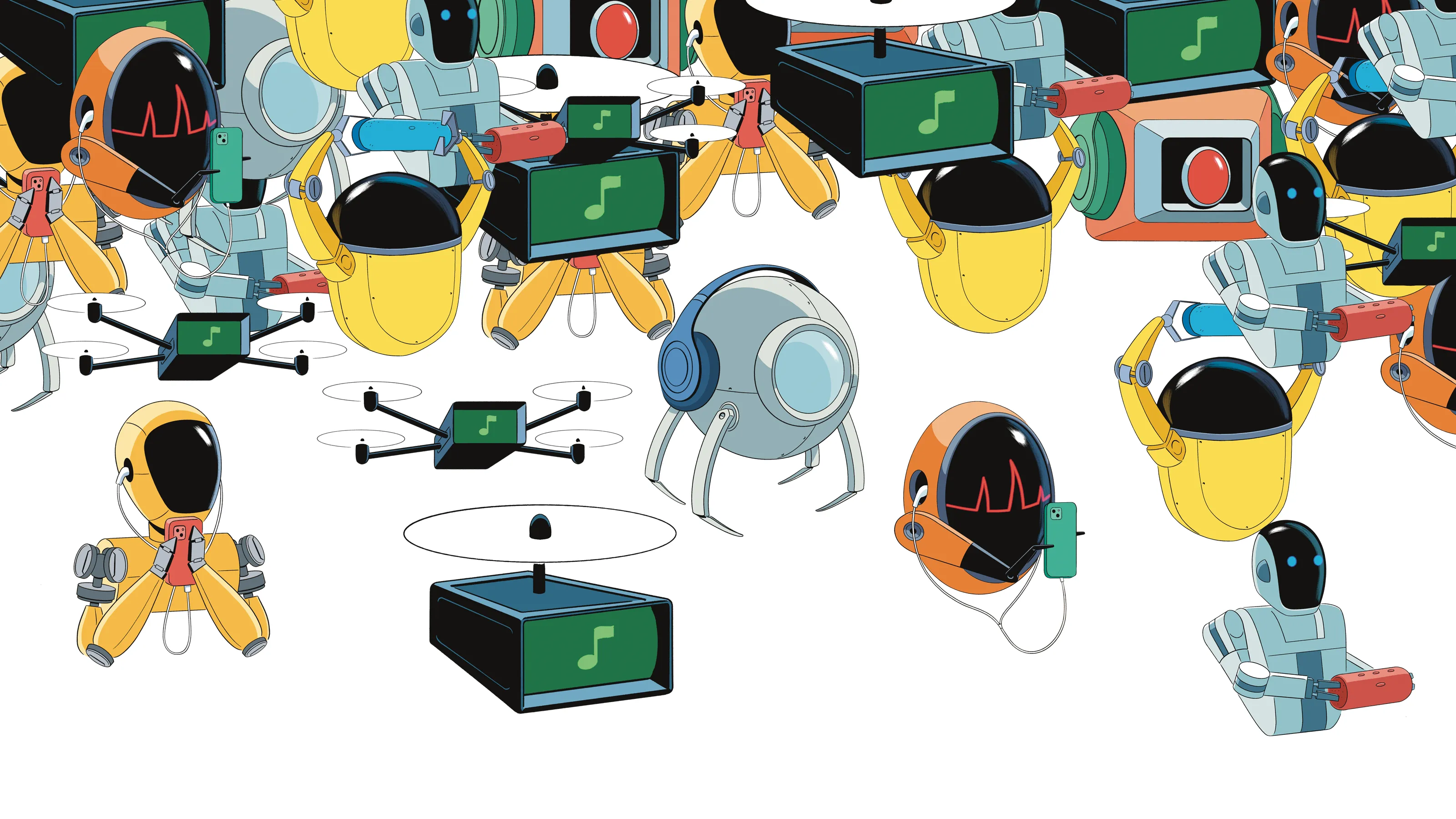
Modern streaming farms can be windowless warehouses or empty office spaces with hundreds or thousands of smartphones, computers, and servers replaying the same content in a continuous loop.

These operations can generate billions of fraudulent streams, with the aim of manipulating charts and obtaining higher royalty income. Companies like Beatdapp estimate that fraudulent streams generate approximately $2 billion in illegitimate royalties each year.

Spotify, for example, invests heavily in automated and manual reviews to prevent, detect, and mitigate the impact of artificial streams on its platform.

Apple Music claims to have rigorous control, stating that less than one percent of its streams are manipulated. Both platforms use AI algorithms and captchas to detect abnormal playback patterns, penalizing offenders. Luminate, which provides streaming data to Billboard, also has a verification system to ensure the objectivity of the charts.

In 2024, North Carolina musician Michael Smith was charged with wire fraud for fraudulently generating over $10 million in streaming revenue.

The rise of vocal deepfakes and the ability to create fake songs are intensifying the problem. Spotify has updated its impersonation policy to allow artists to claim and remove content that uses unauthorized voices. Distributors like DistroKid and TuneCore play a crucial role in detecting fraudulent activity, charging fees to the artists responsible for fake streams.

Distributors like DistroKid and TuneCore are instrumental in detecting fraudulent streaming activity.

Transparency tags are being implemented to identify the use of AI in music creation, such as Apple Music's Transparency Tags. The music industry, including artists like Billie Eilish and Drake, are demanding greater regulation and transparency to protect creators' rights and the integrity of the music ecosystem.
Editorial Note

This content has been synthesized and optimized to ensure clarity and neutrality. Based on: Rolling Stone