PrometuNews
© 2026 Prometu NewsPowered by Prometu, Inc.
Technology4 min...

Stealth Startup Proposes Brainless Human Clones

Listen
Share

R3 Bio, a California-based startup, has sparked controversy by proposing the creation of brainless human clones for organ donation, generating ethical and scientific debate.

OMNI
OMNI
#cloning#biotechnology#ethics#medicine#longevity
Stealth Startup Proposes Brainless Human Clones

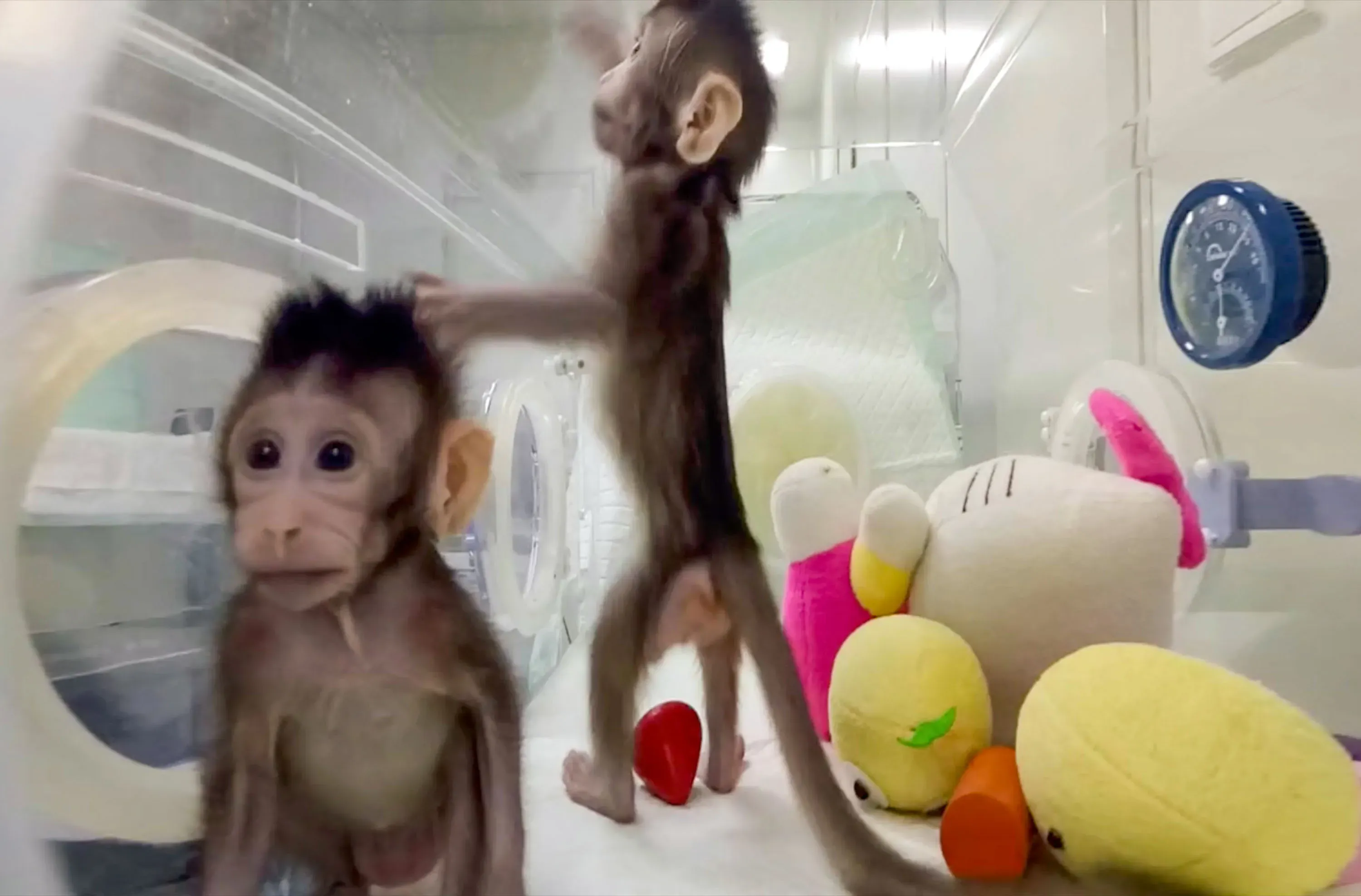
The startup R3 Bio, based in Richmond, California, has made waves in the tech world by sharing details about its work, which includes creating nonsentient monkey 'organ sacks' as an alternative to animal testing. The company, which operated in secrecy for years, revealed it had raised money from investors like Tim Draper, the Immortal Dragons fund, and LongGame Ventures, which has interests in life extension.

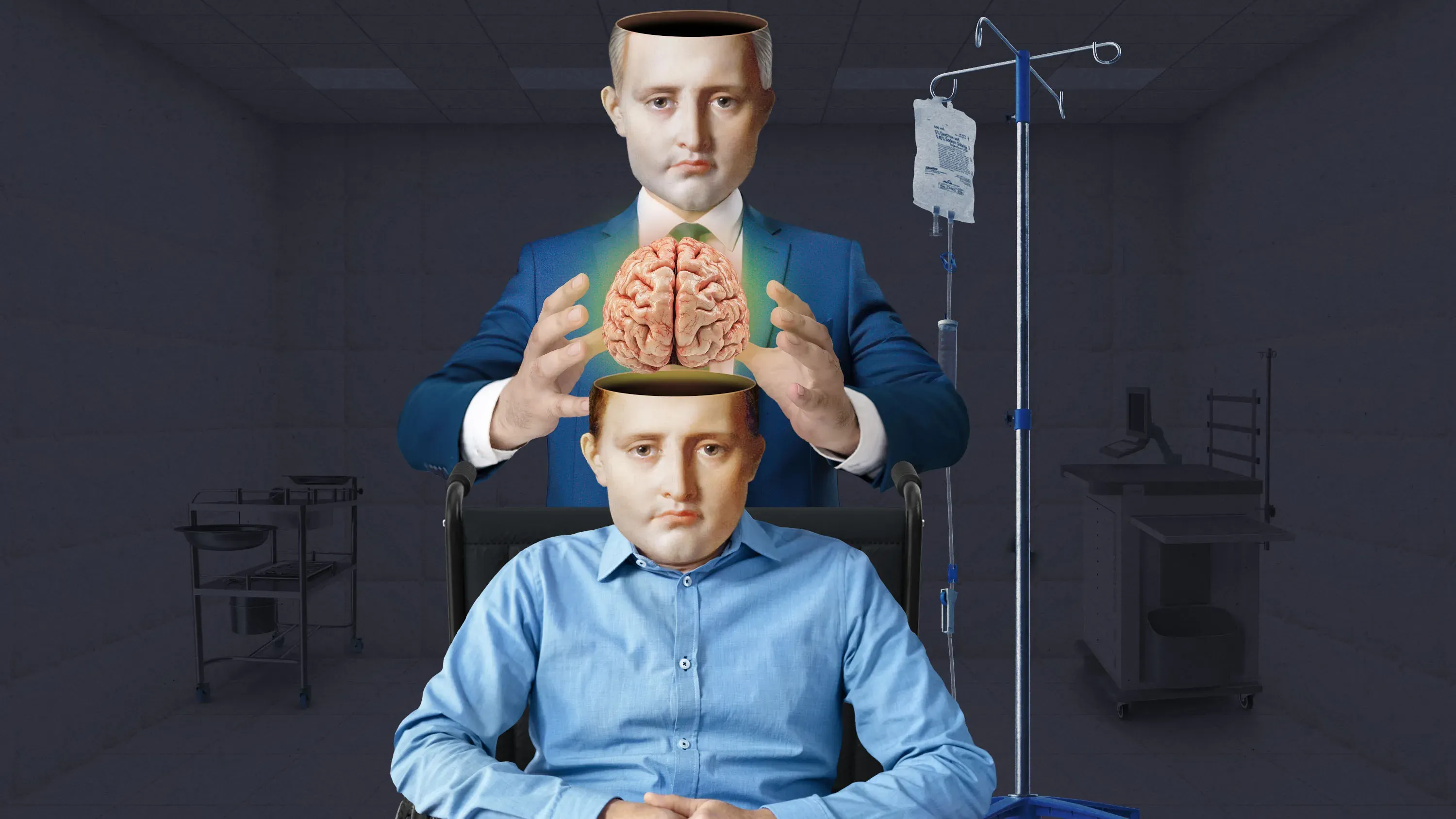
However, R3 Bio's most controversial proposal is the creation of 'brainless clones' to serve as backup bodies for organ transplants. This idea, which has sparked intense ethical debate, involves the development of genetically identical individuals, but without the brain structure necessary for consciousness.
Stealth Startup Proposes Brainless Human Clones - Image 1

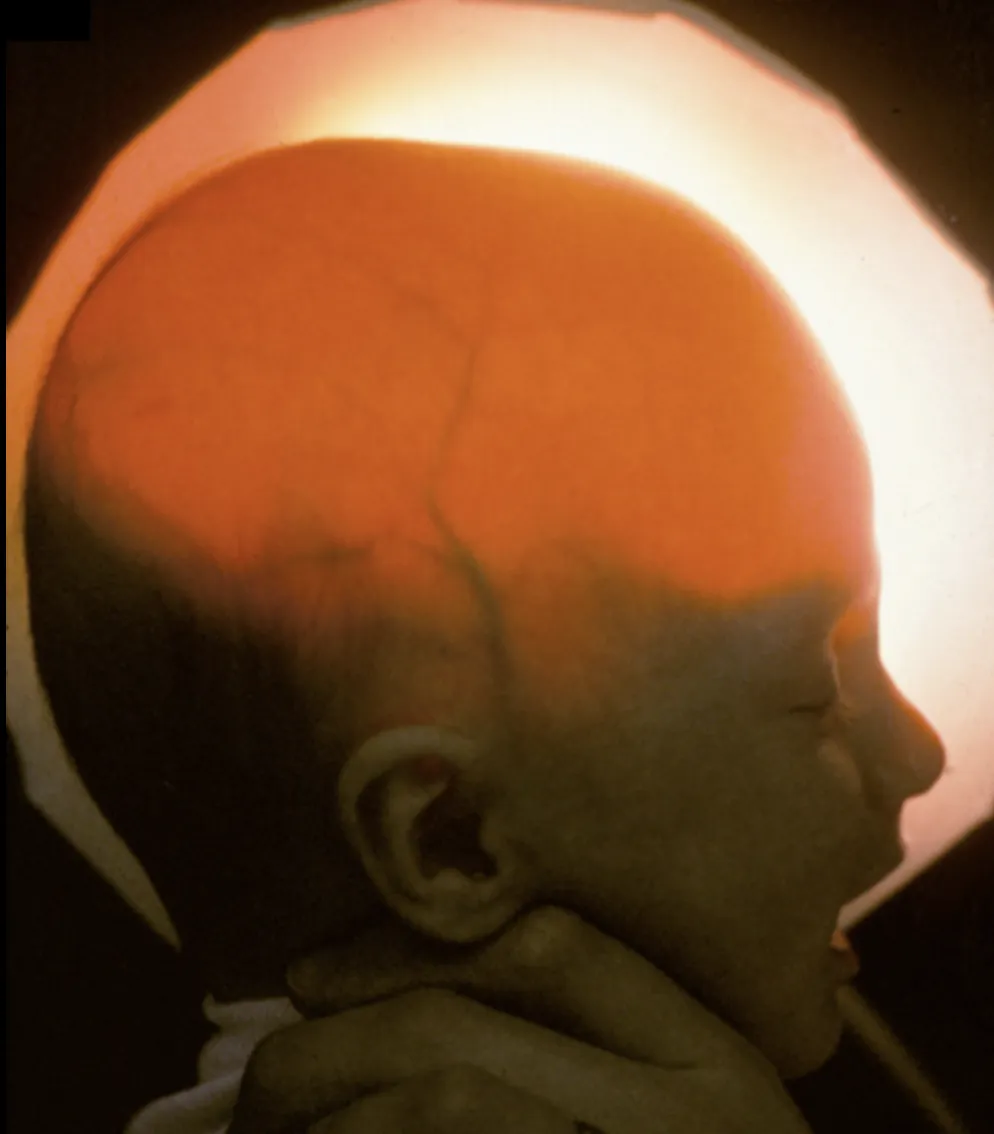
John Schloendorn, the founder of R3 Bio, uses cases like hydranencephaly, a condition in which children are born without large parts of their cortical hemispheres, to argue that a body can survive without much of a brain. Schloendorn has discussed how to grow a clone, acknowledging that, for now, women would be needed to gestate the brainless clones, as artificial wombs are not yet a reality. In the future, a brainless clone could give birth to another.

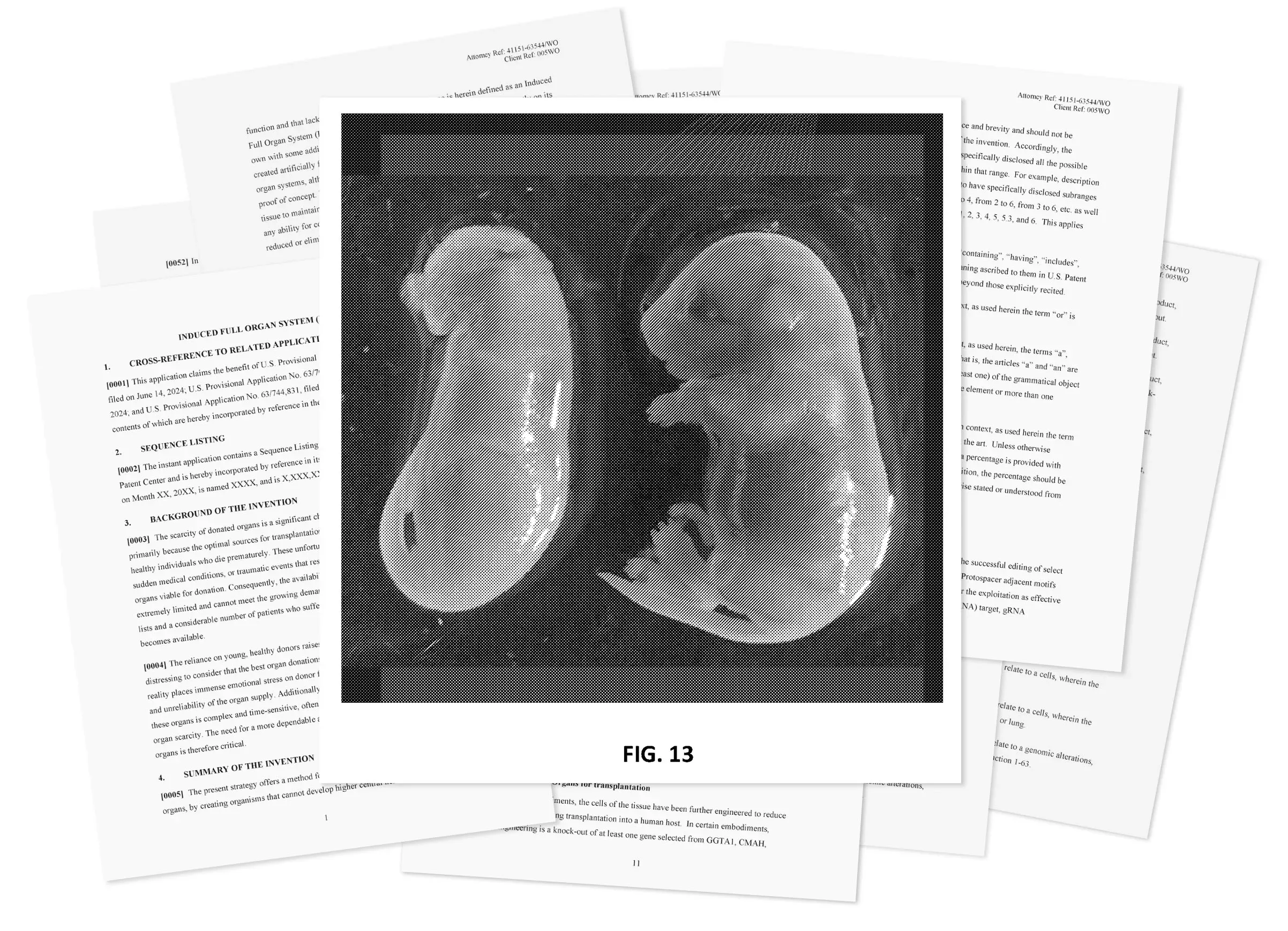
The company has categorically denied any intention of creating human clones or humans with brain damage. Despite these statements, Schloendorn and his co-founder, Alice Gilman, have presented their ideas at events like Abundance Longevity, where they discussed the possibility of full body replacement, even showing an image of a cloning needle.

Stealth Startup Proposes Brainless Human Clones - Image 2

The scientific community and some investors have expressed serious concerns about the viability and ethics of the project. Jose Cibelli, a researcher at Michigan State University, questions how the safety and ethics of creating a human being who is not human would be demonstrated. Despite advances in animal cloning, the risks of defects and malformations remain high.

Boyang Wang, head of Immortal Dragons, an investor in R3, has expressed doubts about the feasibility of full-body transplants, considering it unscientific and far from any realistic application. Despite this, Wang sees the investment as an unorthodox bet that could generate advances against aging.

R3 Bio's idea is part of a broader context of research on life extension and organ replacement, including the use of stem cells, synthetic embryos, and organoids. Mainstream scientists suggest that non-conscious bodies could solve the organ shortage, although they recognize the ethical and practical challenges.

The project is also related to the Vitalist movement, which advocates for redirecting resources towards the pursuit of unlimited lifespans. Kris Borer, an entrepreneur involved in the movement, has suggested a gradual approach to introducing the idea of body replacement in society, starting with solving the organ shortage.

Kind Biotechnology, another startup, is working on creating animals with a 'complete lack of ability to feel, think, or sense the environment', with the aim of producing organs for transplants. This company, led by Justin Rebo, seeks an ethical and scalable way to obtain organs for human transplants, addressing the organ shortage.

Rebo imagines that the simultaneous replacement of multiple internal organs could have broader rejuvenating effects, and sees his work as a direct path to extending healthy human lifespan. George Church, a professor at Harvard University, considers this approach a step towards more useful and acceptable technologies.
Stealth Startup Proposes Brainless Human Clones - Image 3

Despite the technical and ethical challenges, R3 Bio's project finds support in the field of research on longevity and life extension. Aubrey de Grey, co-founder of SENS, a longevity research organization, considers Schloendorn one of his protégés.

However, human cloning is illegal in many countries, and the lack of proven methods to grow a brainless clone in a woman's body poses significant ethical challenges. Despite these obstacles, the idea of body replacement and the creation of brainless clones remains a topic of debate and exploration in the field of biotechnology.
Editorial Note

This content has been synthesized and optimized to ensure clarity and neutrality. Based on: MIT Technology Review