
Analysis: Memory Chip Pricing Strength Could Extend Through 2027
Wall Street analysts predict that the strength in memory chip prices could persist until 2027, driven by the growing demand from AI data centers.

#memory chips#Micron Technology#AI#stock market#technology
RBC Capital Markets analyst Srini Pajjuri reported that supply chain checks in Asia showed no signs of a slowdown in demand for semiconductors for AI data centers. This demand includes processors, connectivity chips, and memory.
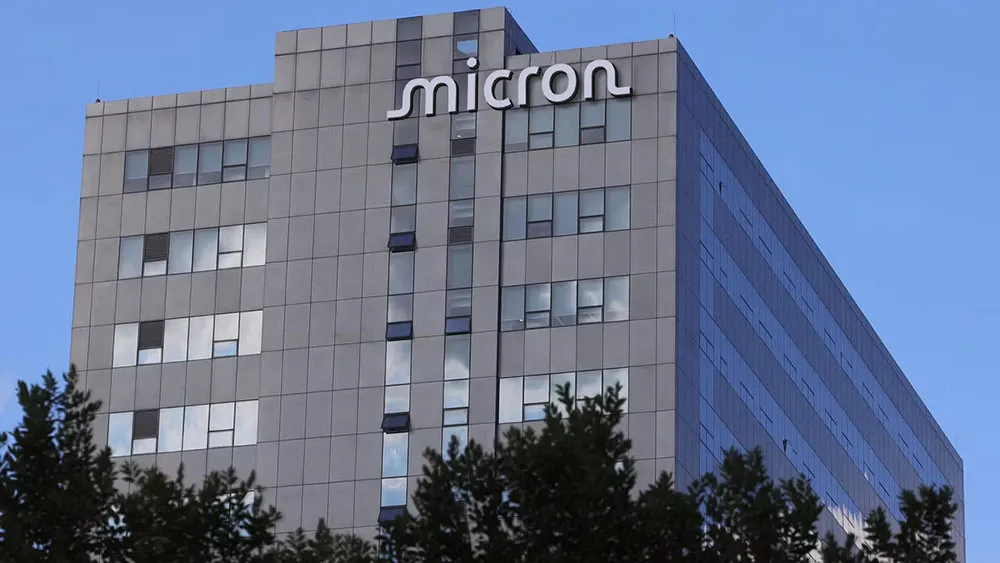
Pajjuri reiterated his outperform ratings on Micron stock and other companies like Arm Holdings, Astera Labs, Lattice Semiconductor, Marvell Technology, and Nvidia. Investors in Micron Technology (MU) remain wary after a significant drop in the stock price.
Pajjuri reiterated his outperform ratings on Micron stock and other companies like Arm Holdings, Astera Labs, Lattice Semiconductor, Marvell Technology, and Nvidia. Investors in Micron Technology (MU) remain wary after a significant drop in the stock price.
Prices for dynamic random-access memory (DRAM) chips could increase by 50% or more in the second quarter, according to Pajjuri. The supply of memory chips is expected to remain tight until at least the second half of 2027.
Data centers could account for 70% or more of the DRAM market this year, underscoring the importance of AI demand in the semiconductor sector. The shortage of NAND flash memory chips is even tighter, as manufacturers allocate clean-room capacity to DRAM production.
Data centers could account for 70% or more of the DRAM market this year, underscoring the importance of AI demand in the semiconductor sector. The shortage of NAND flash memory chips is even tighter, as manufacturers allocate clean-room capacity to DRAM production.
A report from DigiTimes suggests that AI compression technologies like Google's TurboQuant will not ease the memory chip shortage. Oppenheimer analyst Rick Schafer also noted strong demand in the artificial intelligence space.
Schafer predicts that cloud service provider (CSP) demand will outpace supply through 2027. AI-related shortages extend to various components, including advanced wafers, packaging, and memory. Lead times remain stretched and prices are rising, which will likely be passed on to customers as AI consumes supply.
Schafer predicts that cloud service provider (CSP) demand will outpace supply through 2027. AI-related shortages extend to various components, including advanced wafers, packaging, and memory. Lead times remain stretched and prices are rising, which will likely be passed on to customers as AI consumes supply.