PrometuNews
© 2026 Prometu NewsPowered by Prometu, Inc.
Technology3 min...

Starcloud: The First A.I. Data Center in Space and Its Challenges

Listen
Share

Starcloud, led by Philip Johnston, is revolutionizing A.I. computing by bringing data centers to space, but faces significant technical and regulatory challenges.

OMNI
OMNI
#A.I.#space#data centers#Starcloud#technology
Starcloud: The First A.I. Data Center in Space and Its Challenges

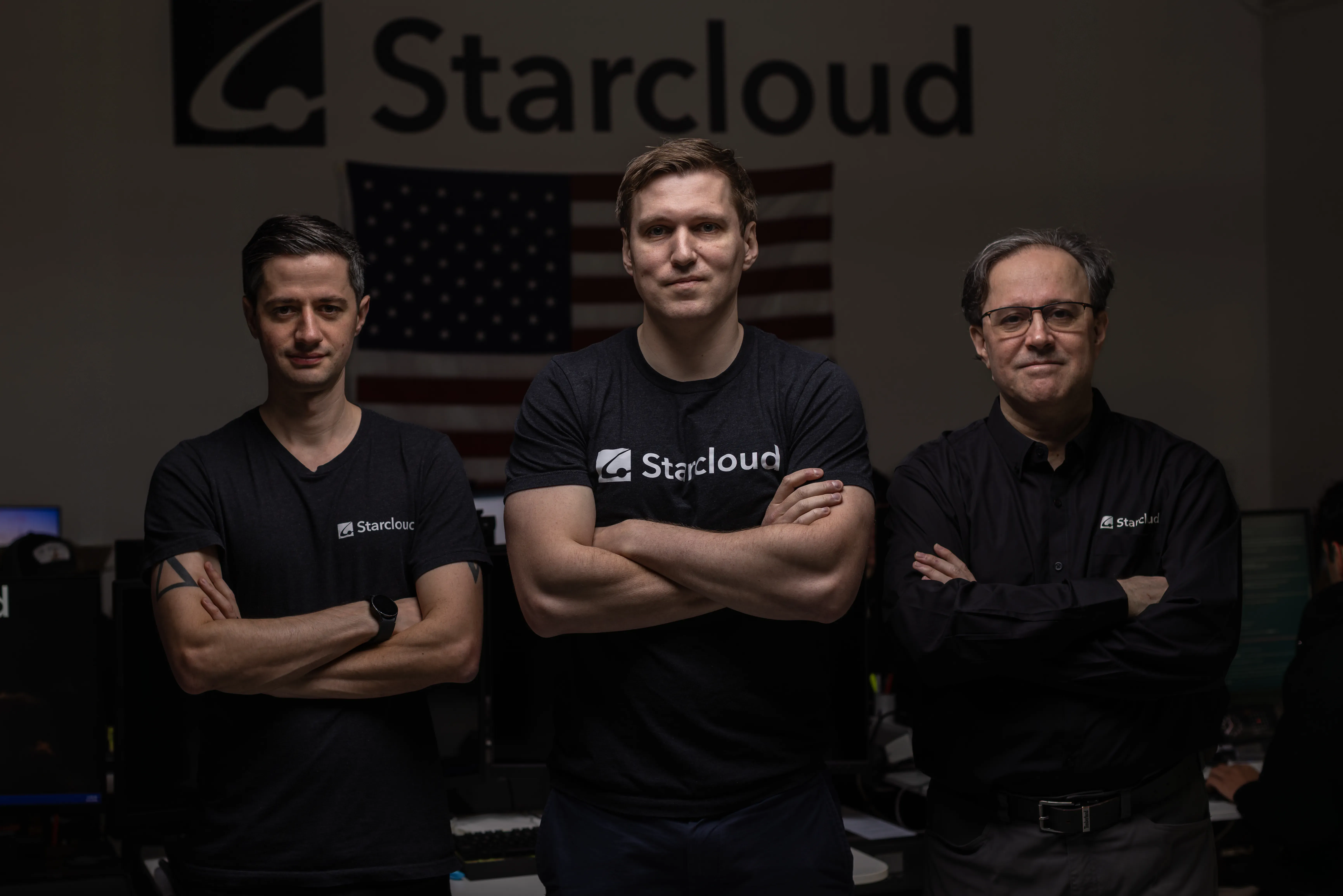
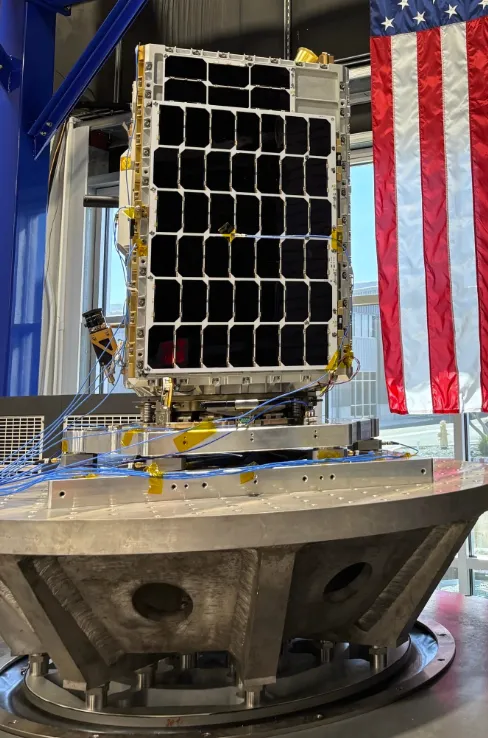
In November, Starcloud launched Starcloud-1, a 60-kilogram satellite carrying an Nvidia H100 GPU, marking the first data-center-class A.I. hardware in space.

The company, backed by $200 million from investors like Nvidia and Sequoia Capital, aims to address A.I.'s increasing energy needs by moving infrastructure off Earth.

Recently, Starcloud raised $170 million in Series A funding, reaching a $1.1 billion valuation in just 17 months, the fastest for a Y Combinator company.

Starcloud: The First A.I. Data Center in Space and Its Challenges - Image 1

Before founding Starcloud, Johnston worked as an algorithmic trader at BNP Paribas and consulted for national space agencies at McKinsey.

His interest in space was sparked during a trip to Starbase, where he observed SpaceX's production capabilities.

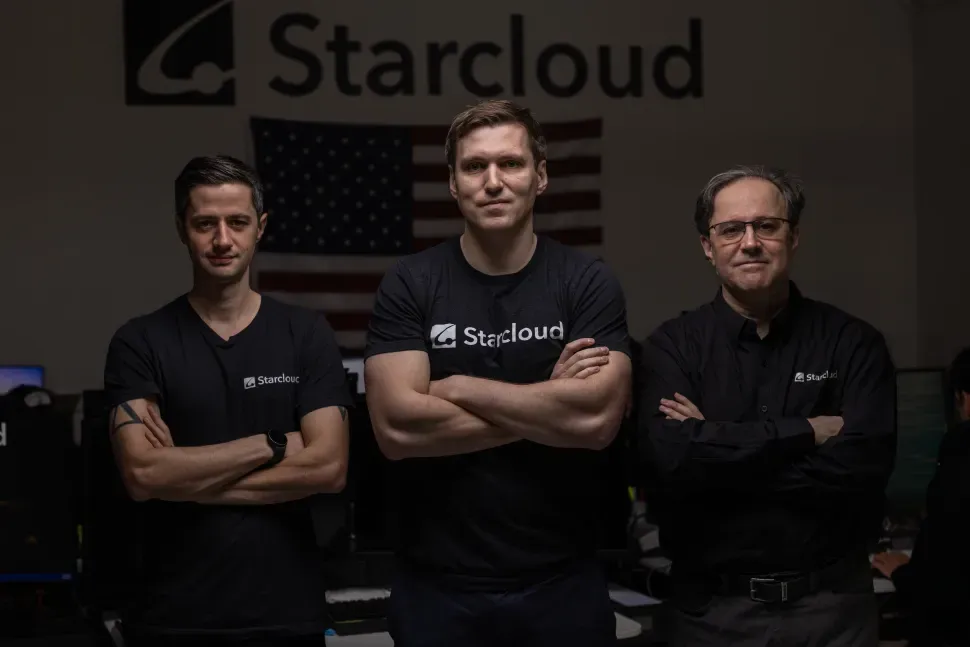
This vision led him to found Starcloud with Ezra Feilden and Adi Oltean, aiming to harness the potential of space for data computing.
Starcloud: The First A.I. Data Center in Space and Its Challenges - Image 2

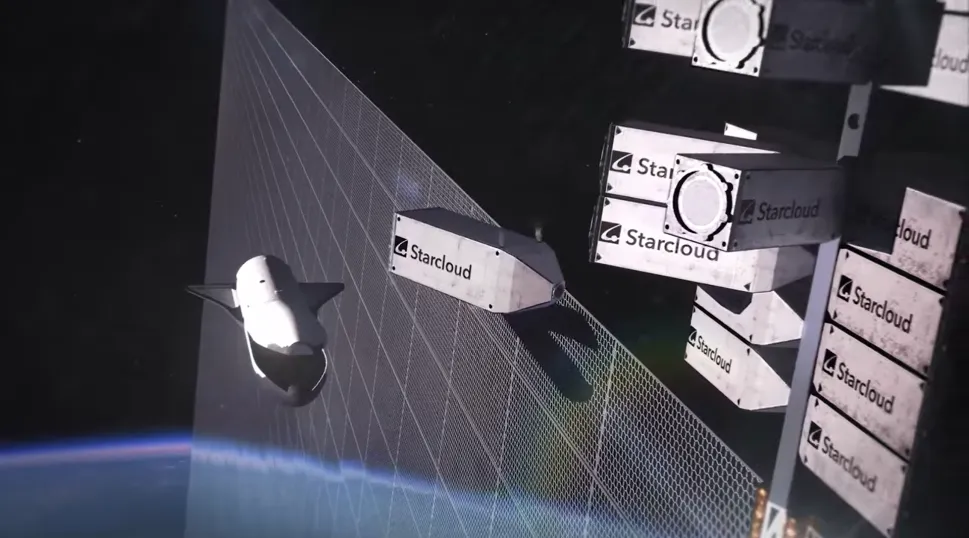
A typical A.I.-focused data center consumes as much electricity annually as 100,000 households, while in space, one square meter of solar panel produces eight times more energy than on Earth.

Starcloud-1 orbits Earth every 90 minutes and already runs edge computing workloads for Earth-observation and military satellites.

The company plans to launch Starcloud-2 in October and Starcloud-3 in 2027, aiming for orbital data centers to be cost-competitive by mid-2028.

Dissipating heat in the vacuum of space is a key challenge, as space is a thermal insulator.

Cooling consumes approximately 70% of Starcloud's engineering team's attention, according to the CEO himself.

Furthermore, interference with astronomical observatories and regulatory risks associated with burning satellites in the atmosphere are major concerns. The company is working on a cooling system to be tested on the Starcloud-2 to be launched in October.

SpaceX and Blue Origin have also filed plans to launch data center satellite constellations.

Starcloud distinguishes itself by being the only company to have demonstrated working A.I. compute hardware in orbit.

Space policy experts warn about the risks of burning aluminum satellites and the potential impact on the ozone layer.
Starcloud: The First A.I. Data Center in Space and Its Challenges - Image 3
The FCC is reviewing 1980s-era categorical environmental exemptions without producing change.
Editorial Note

This content has been synthesized and optimized to ensure clarity and neutrality. Based on: Observer