Stuck in the Game? Congress Divided Over the Future of College Sports
Listen
Share
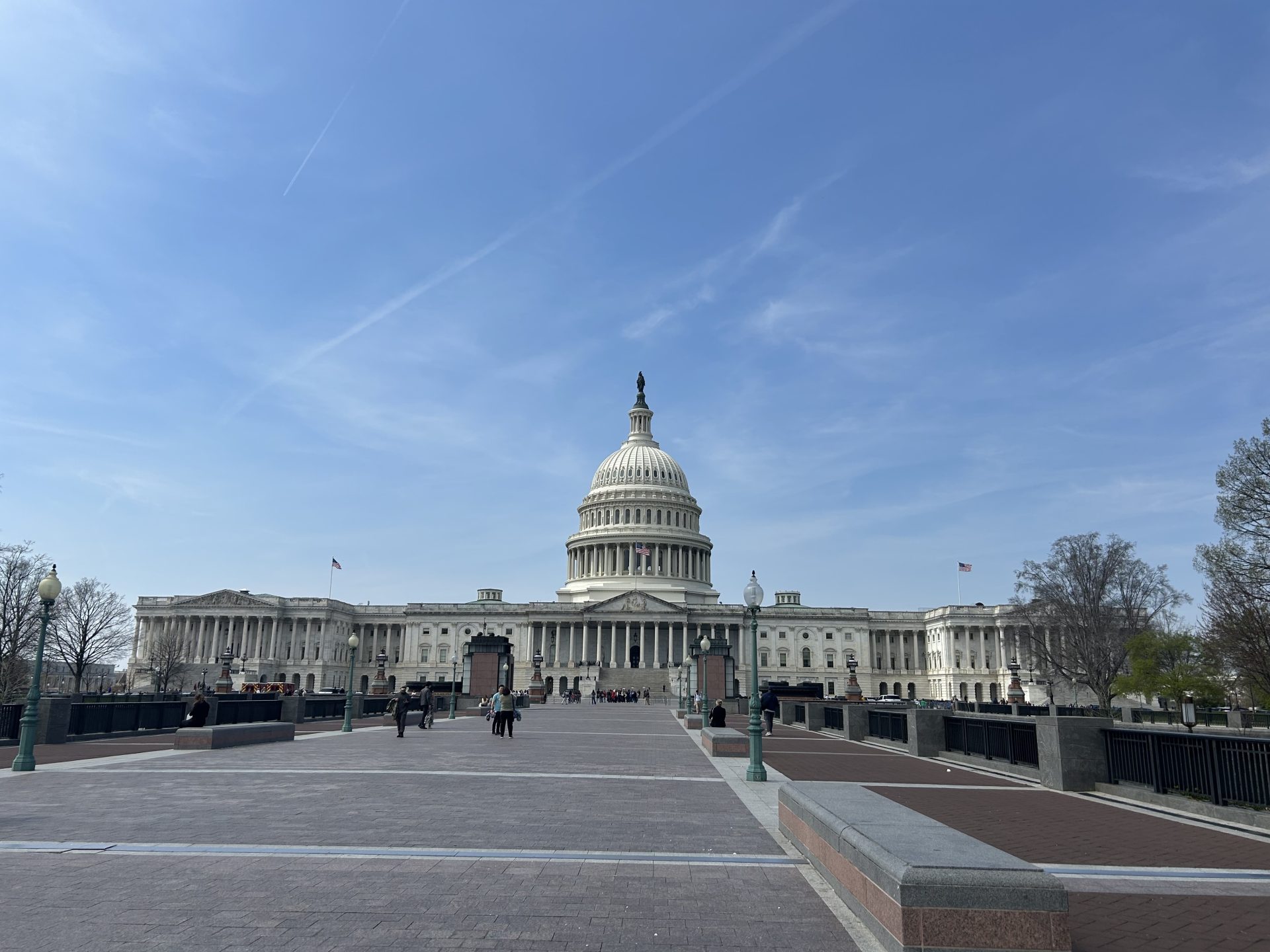
Democrats and Republicans clash in Congress over how to address issues in college sports, especially around collective bargaining and the status of athletes.
In Washington, both Democrats and Republicans agree that the current system of "unrestricted free agency" in college sports is a major problem that needs solving.
However, the biggest hurdle is their disagreement on how to solve it. During a Senate hearing, it became clear that differences in legislative proposals prevent progress towards a bipartisan solution. Discussions focus on key issues such as "Name, Image, and Likeness" (NIL) agreements and unlimited transfers, but disagreements regarding collective bargaining and the status of athletes complicate the legislative landscape.
Democrats favor collective bargaining as a potential solution to the problems in college sports, similar to what happens in professional sports, where athletes can negotiate and agree on restrictions on compensation and player movement.
On the other hand, Republicans oppose this stance, arguing that it would entail making athletes employees, which they consider unsustainable due to the additional costs for universities and the tax implications for athletes. Senator Bill Cassidy (R., La.) pointed out that the employment issue is the main point of divergence, although there are areas of agreement on other aspects.
The SCORE Act, which seeks to codify NIL rights and revenue sharing, as well as impose new restrictions, faces considerable opposition.
The bill, introduced in the House last summer, seeks to establish a national standard for NIL, grant antitrust protections to the NCAA, and prevent players from being classified as employees. Senator Chris Murphy (D., Conn.) expressed that the bill is essentially a "wish list for the NCAA and the conferences", limiting athletes' compensation rights and giving schools and the NCAA control that he considers immoral.
In addition to the SCORE Act, other bills have been introduced to address the problems in college sports.
Senator Tommy Tuberville (R., Ala.) has proposed legislation that focuses on eligibility and transfers, limiting athletes to one transfer without penalty and giving them five years to complete five full seasons. Also, Senators Eric Schmitt (R., Mo.) and Maria Cantwell (R., Wash.) introduced a bill that would allow schools to pool their media rights, an idea that is gaining momentum. However, despite these initiatives, none have made significant progress in Congress.
Ideological divisions and the lack of bipartisan consensus complicate the passage of comprehensive legislation on college sports.
Senator Cassidy highlighted the importance of addressing the situation of student-athletes to ensure their success. However, the differences regarding collective bargaining, the status of athletes, and other key aspects make it difficult to reach an agreement that can be approved in both the House of Representatives and the Senate. The uncertainty about the legislative future of college sports persists, despite the multiple hearings and proposals presented.