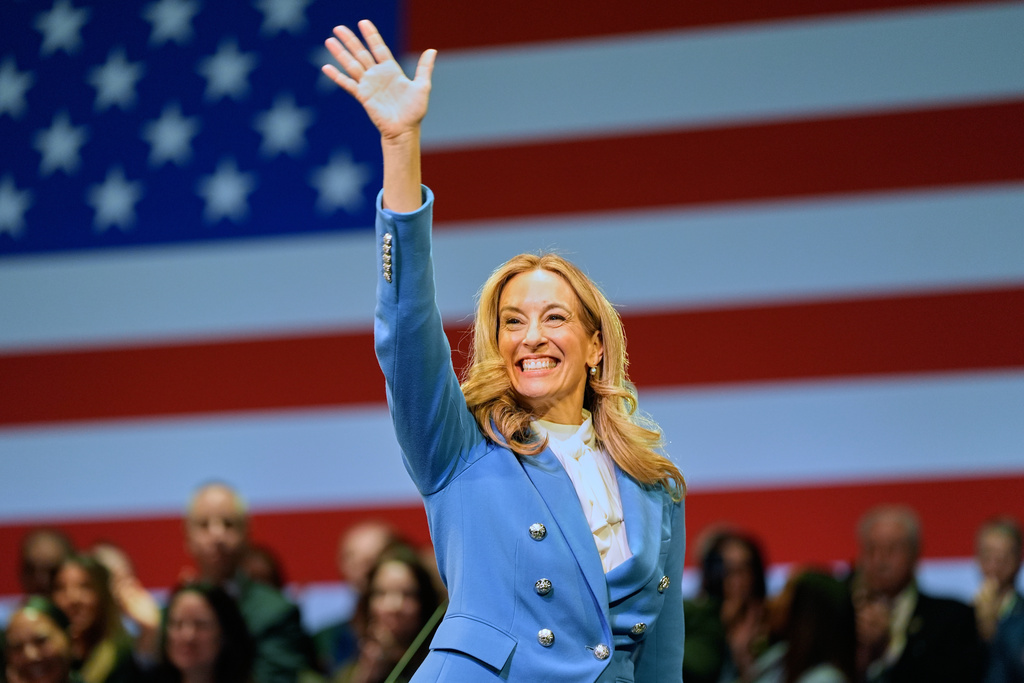
New Jersey Governor Mikie Sherrill signed several laws restricting federal immigration operations in the state on Wednesday. These laws seek to limit the scope of immigration operations within the state. The measures include a ban on the use of masks for Immigration and Customs Enforcement (ICE) officers, reducing cooperation between New Jersey and federal officials, and preventing state officials from sharing residents' immigration status with federal authorities.
Sherrill argues that these actions aim to protect communities and strengthen trust in law enforcement. The governor has been an outspoken critic of the Trump administration's immigration policies.
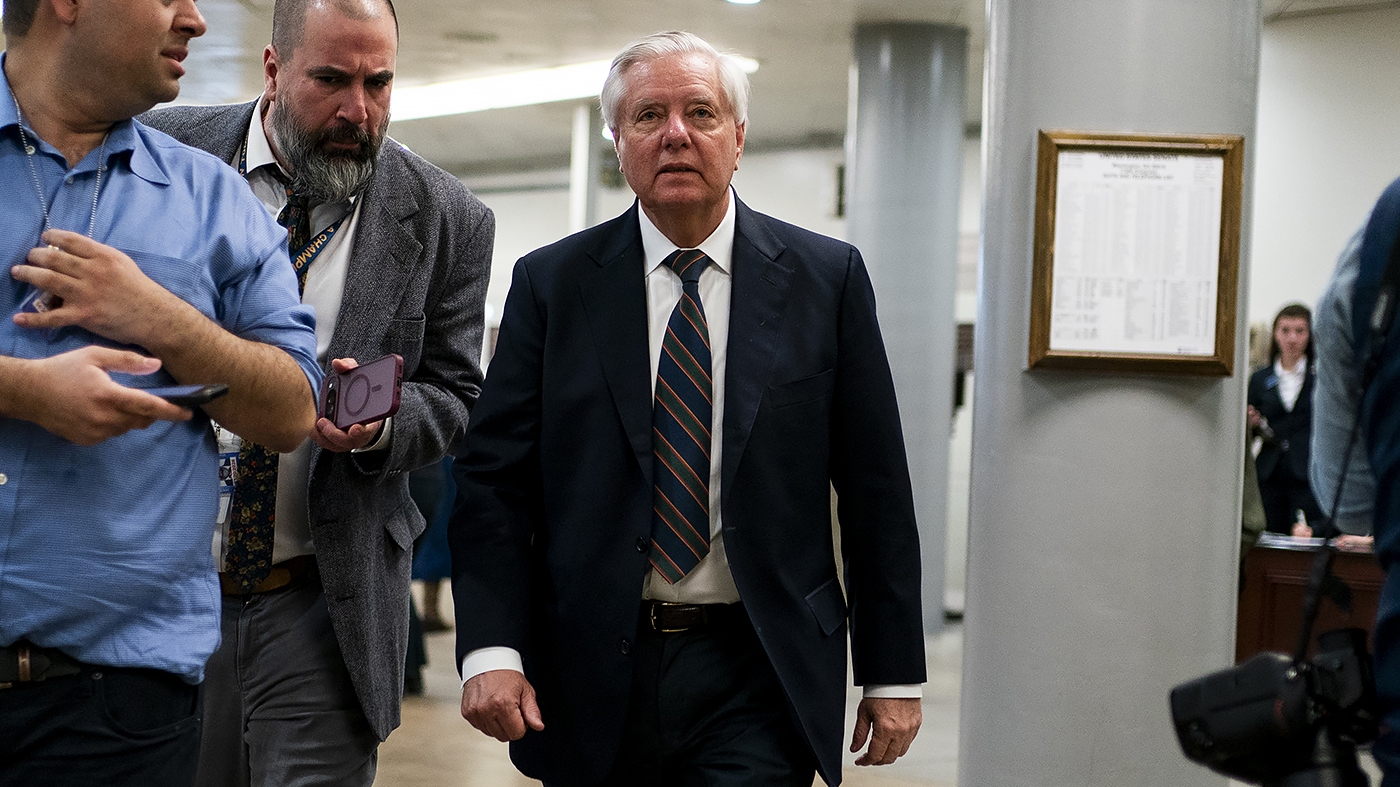
The Trump administration has reacted to the new laws with criticism and claims that they are unconstitutional. Lauren Bis, Acting Assistant Secretary of the Department of Homeland Security (DHS), called the mask ban a despicable attempt to endanger officers. Bis stated that the Supremacy Clause of the U.S. Constitution grants the federal government power over state and local jurisdictions in the event of legal conflict. The Trump administration has defended the right of federal agents to wear masks during operations, arguing that this protects agents and their families.
The legal dispute between New Jersey and the Trump administration could escalate, especially considering the firm stance of both parties.
The current legislation is part of a series of actions taken by Governor Sherrill against the Trump administration's immigration policies. In February, the Trump administration filed a lawsuit against Sherrill after she issued an executive order prohibiting federal immigration officers from arresting people on non-public state properties, including courthouses. Sherrill also sued the administration last week to prevent the establishment of a new immigration detention facility in the state, expressing her strong opposition to the project.
This background demonstrates a clear opposition from New Jersey to federal immigration policies.
New Jersey is not the only state that has taken measures to limit cooperation with federal immigration authorities. Washington has already imposed a similar mask ban on law enforcement officers. Additionally, Virginia Governor Abigail Spanberger signed a law in February to end her state's partnerships with ICE. In Congress, Democrats have refused to fund DHS for over 40 days, demanding a mask ban, a universal code of conduct, and judicial warrant reform for federal immigration officers.
These actions reflect a national debate about the balance of power between states and the federal government on immigration issues.
Governor Sherrill, referring to the legislation, stated: "Donald Trump’s untrained, unaccountable, masked ICE agents are putting people in danger." For her part, Lauren Bis, from DHS, stated: "We will not abide by this unconstitutional ban." The Supremacy Clause is a central point in the debate. The political context is crucial. Democrats and Republicans have opposing positions on immigration, which makes it even more difficult to reach a consensus.
The situation in New Jersey is an example of the current tensions surrounding the enforcement of immigration law in the United States.