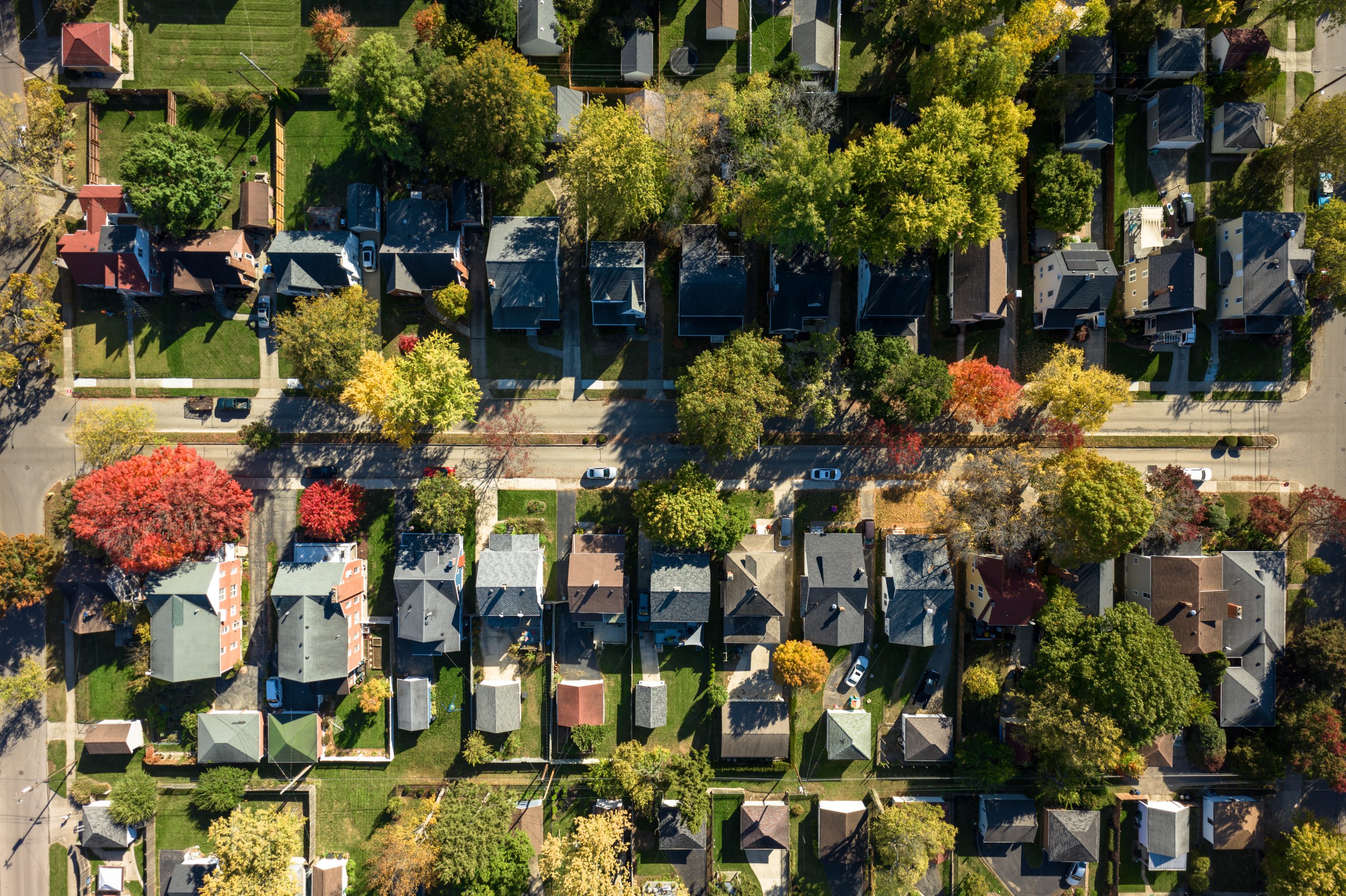
Younger generations are exploring the Midwest to purchase housing, drawn by the notably lower costs compared to major coastal cities. Many Midwestern metropolitan areas have median home prices well below the national average, in addition to offering a lower cost of living. As a result, some Midwestern cities are experiencing higher rates of young homeowners.
Generation Z, traditionally associated with big-city living, is reconsidering its options due to the high cost of housing on the coasts. The Midwest is becoming a more attractive place to put down roots, considering that housing costs can be at least 30% cheaper than in major coastal metropolitan areas like New York or Los Angeles.
According to a ConsumerAffairs analysis, based on data from the U.S. Census Bureau and the Federal Financial Institutions Examination Council (FFIEC) published in July 2025, seven of the ten most accessible metropolitan areas for young homeowners are located in the Midwest.
Cities like Omaha (Nebraska, 18.2%), Grand Rapids (Michigan, 21.1%), Des Moines (Iowa, 19.8%), Wichita (Kansas, 18.4%), Cincinnati (Ohio, 17%), Minneapolis (Minnesota, 16.5%) and Akron (Ohio, 14.2%) lead in homeownership rates among those under 35.
Minneapolis, along with other Midwestern cities such as St. Louis, Detroit, Indianapolis, Cleveland, Cincinnati, and Kansas City, is considered one of the most affordable places to live, according to Zillow. In these cities, half or more of the homes for sale are considered affordable, meaning housing consumes less than 30% of a typical household's budget.
Median home prices in many Midwestern cities range from $200,000 to $275,000, while the national median has exceeded $400,000, according to Danielle Andrews, a real estate agent with Realty One Group Next Generation, in statements to Fortune.
This price gap can decrease monthly housing costs by 30% to 50%, even before considering lower property taxes and insurance, according to Andrews. During the pandemic, many professionals moved to places with better weather and amenities, working from home. However, now that many workers have returned to the office and housing costs have continued to rise, those cities are no longer always financially viable for homeowners.
Andrews has worked with several Generation Z buyers, especially remote workers and young professionals, who are leaving higher-cost areas like Florida in search of more affordable housing.
Andrews mentions that for many, it's not just about cheaper homes, but being able to build wealth sooner without drowning in overhead. A StorageCafe study shows that Generation Z and millennials accounted for nearly 30% of all interstate moves, with states like Indiana and Wisconsin experiencing some of the largest increases.
A Realtor.com analysis published in August also indicates that suburban zip codes in the Midwest have become more dynamic in 2025, gaining attention thanks to a combination of lifestyle appeal, relative affordability, and strong links to nearby economic hubs.
Realtor.com's chief economist, Danielle Hale, noted that the Northeast and Midwest dominate, driven by buyers from high-cost metropolitan areas seeking relief without sacrificing access to jobs and amenities. Many of these neighborhoods also offer newer homes than the surrounding areas, highlighting the crucial role of new and infill construction in meeting current buyer demand, even in a tough market.
Realtor.com found that three of the ten most popular zip codes are in the Midwestern cities of Ballwin (Mo.), Strongsville (Ohio), and Bexley (Ohio). Although these three cities have higher prices than their respective larger metropolitan areas, their prices are still moderate on a national level.
Even though housing prices in the Midwest are rising, the region remains one of the most affordable for homebuying in the country, according to Redfin. Detroit, for example, has the lowest median selling price of any major metropolitan area, at $80,000, and Cleveland, at approximately $125,500. Both median prices are less than half the overall U.S. figure.
Andrews concludes that the cost of living in the Midwest, especially for essentials like groceries, gasoline, and healthcare, is better aligned with local wages, allowing Generation Z buyers not only to survive, but to thrive. The Midwest is no longer just affordable: it is aspirational for a generation that is redefining success.