Prometu News LogoNews
© 2026 Prometu NewsPowered by Prometu, Inc.
Politics3 min...

U.S. Confusion: Multiple Trump 'Endgames' in Iran War

Listen
Share

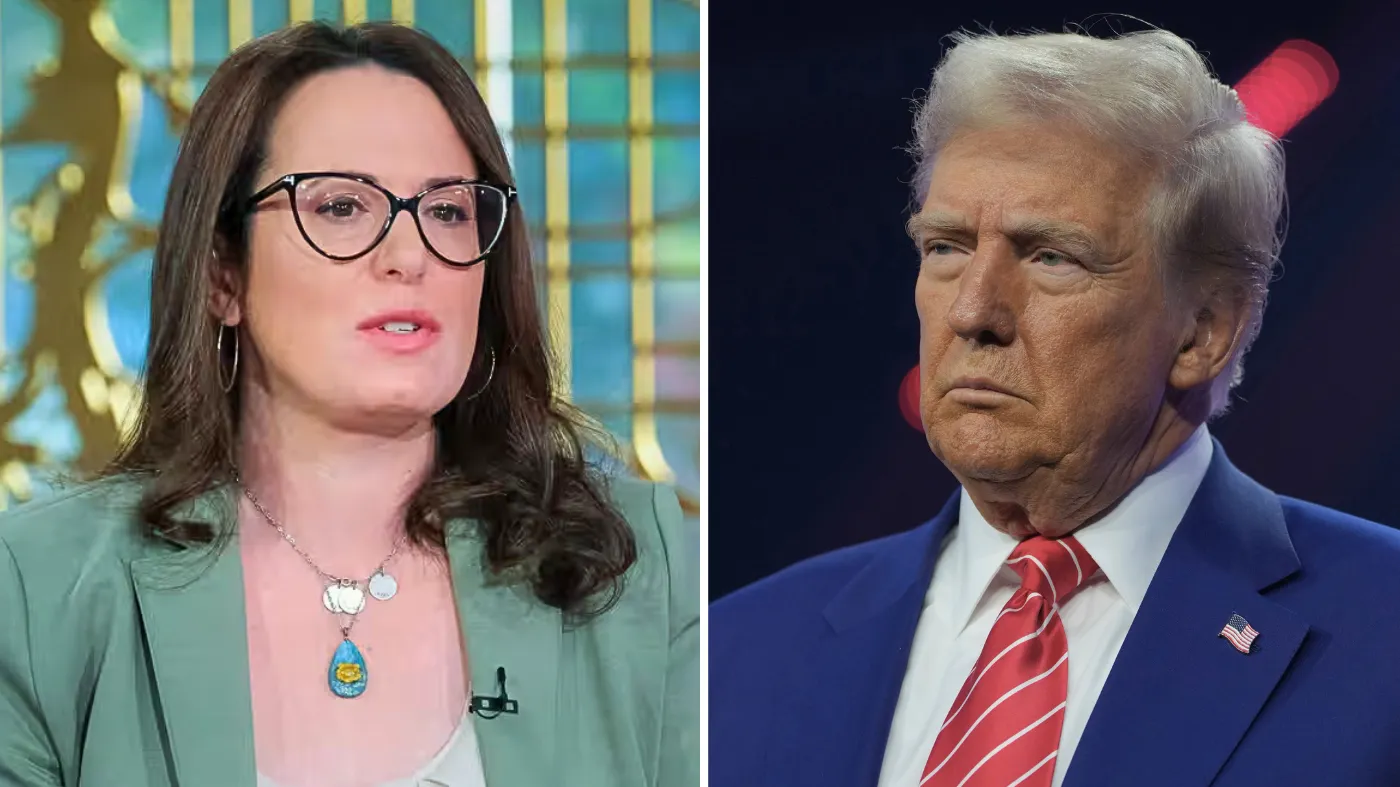
Maggie Haberman highlights public confusion over Trump's various scenarios for the conflict with Iran, which has already lasted 32 days.

OMNI
OMNI
#Donald Trump#Iran#Conflict#Foreign Policy#Maggie Haberman
U.S. Confusion: Multiple Trump 'Endgames' in Iran War

New York Times correspondent Maggie Haberman stated that the American public is confused by President Trump's multiple 'endgames' regarding the war with Iran. Haberman, who has covered the White House since Trump's first term, noted the absence of a clear and defined strategy. The conflict has reached 32 days, and the lack of a precise articulation of the final objectives by the administration has generated uncertainty.

Haberman emphasized that several scenarios have been mentioned, leading to widespread confusion. This situation is compounded by contradictory statements and diverging actions by the administration, raising doubts about the direction the conflict is taking and its potential consequences.

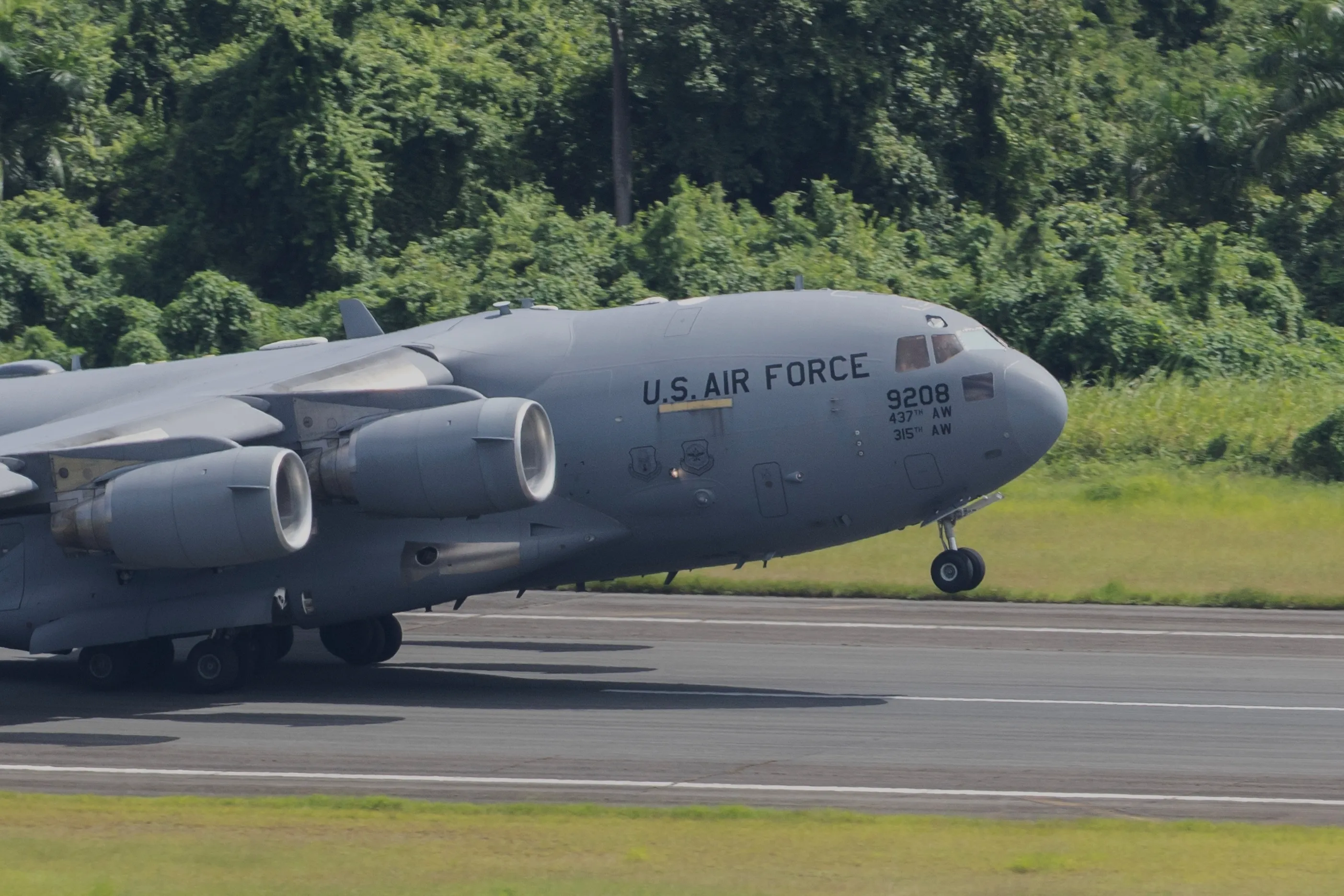
In recent weeks, President Trump has promoted the idea of talks with Iranian officials, while the Pentagon has deployed thousands of Marines and sailors to the Middle East, adding to the more than 50,000 U.S. service members already present in the region. This duality between diplomacy and military deployment creates a confusing and contradictory image of the United States' stance.

Trump told the Financial Times that he had spoken with Iranian Parliament Speaker Mohammad Bagher Ghalibaf, who previously denied holding talks with U.S. officials. Additionally, Trump expressed that his 'favorite thing' is to take Iran's oil, suggesting a strategy based on economic pressure and resource appropriation.

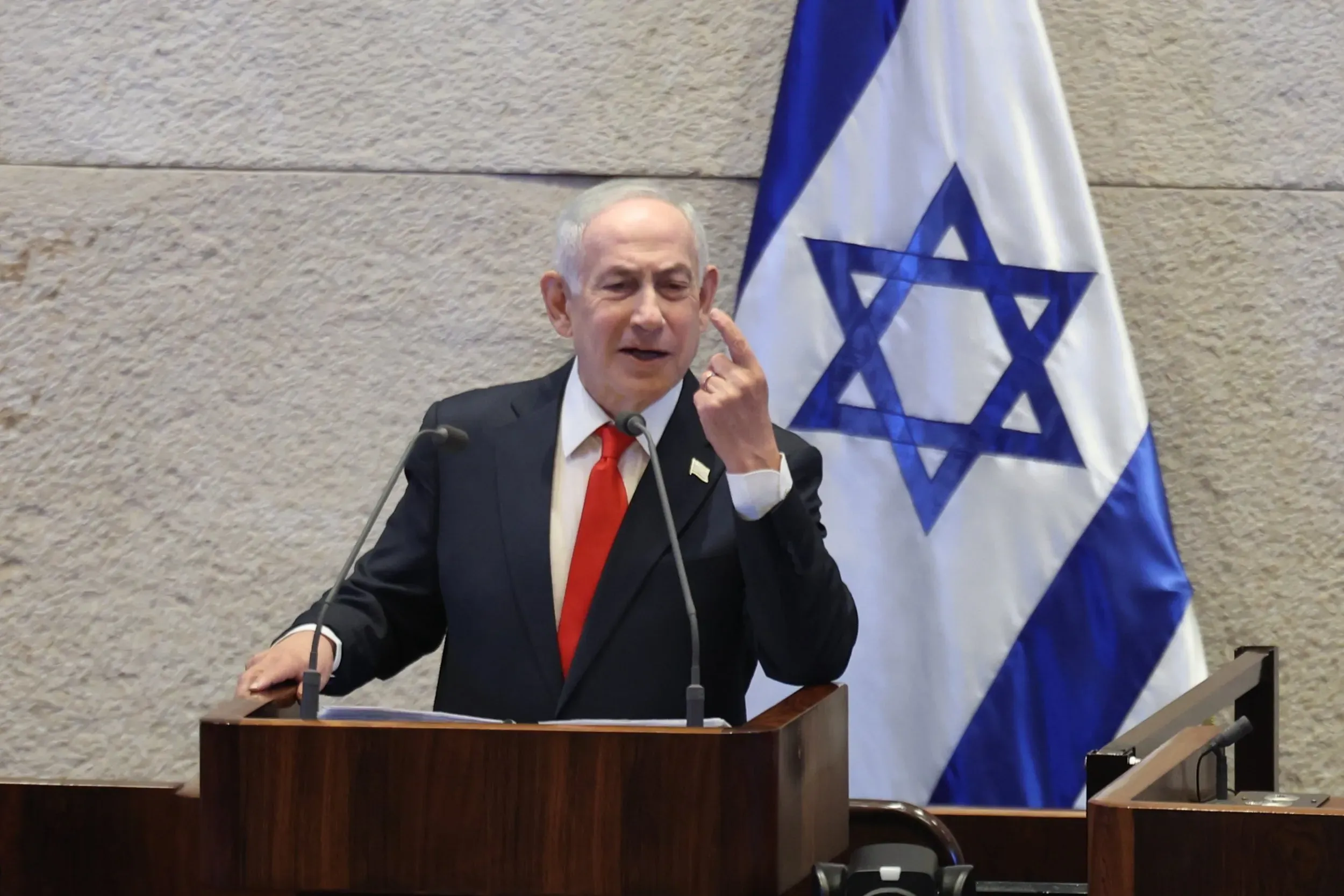
The United States and Iran have submitted opposing proposals to end the war, using Pakistan as an intermediary. However, Iranian officials publicly rejected the Trump administration's 15-point proposal and presented a counteroffer demanding war reparations and recognition of Iranian sovereignty over the Strait of Hormuz. This divergence in proposals hinders the possibility of a peaceful resolution and prolongs uncertainty in the region.

Since the start of the conflict on February 28, the Iranian government has limited shipping through the waterway, which accounts for approximately one-fifth of the world's crude oil flow. This situation has affected the global oil supply and increased tensions in the area.

Despite the negotiation attempts, military operations led by the United States and Iran have continued. On Tuesday, the U.S. military struck the Iranian city of Isfahan, where one of the country's main nuclear sites is located. This attack represents an escalation in the conflict and increases the likelihood of a response from Iran.

Also on Tuesday, the Iranian military hit a Kuwaiti oil tanker off the coast of Dubai, despite Trump's warnings against such actions. These events demonstrate the fragility of the negotiations and the persistence of violence in the region, which further complicates the search for a peaceful solution.

The combination of contradictory statements, military actions, and diverging diplomatic proposals has generated great uncertainty about the Trump administration's strategy regarding Iran. The lack of clarity in the final objectives and the absence of a coherent strategy have caused confusion both nationally and internationally. The situation demands greater transparency and a precise definition of objectives to avoid an escalation of the conflict and its potentially devastating consequences.

The persistence of violence and the lack of a clear agreement suggest that the conflict could be prolonged, with significant implications for regional and global stability.
Editorial Note

This content has been synthesized and optimized to ensure clarity and neutrality. Based on: The Hill