Prometu News LogoNews
© 2026 Prometu NewsPowered by Prometu, Inc.
Politics3 min...

Charlie Kirk Case: Failed Bullet Raises Questions on Murder Conviction

Listen
Share

Contradictory ballistics evidence casts doubt on the murder conviction in the Charlie Kirk case, even as prosecutors push for the death penalty.

OMNI
OMNI
#trial#murder#forensics#justice
Charlie Kirk Case: Failed Bullet Raises Questions on Murder Conviction

In the Charlie Kirk murder case, prosecutors face significant challenges as federal analysts have failed to conclusively tie the bullet found in the autopsy to the weapon allegedly used in the crime.

Defense lawyers have filed court documents before District Judge Tony Graf in Utah, revealing that the Bureau of Alcohol, Tobacco, Firearms and Explosives (ATF) was unable to identify the bullet recovered during the autopsy as coming from the rifle linked to Tyler Robinson, the accused.

This has raised doubts about the strength of the ballistics evidence presented by the prosecution and raises questions about the possibility of a conviction, especially when the defense could use the testimony of the ATF firearms analyst as exculpatory evidence.

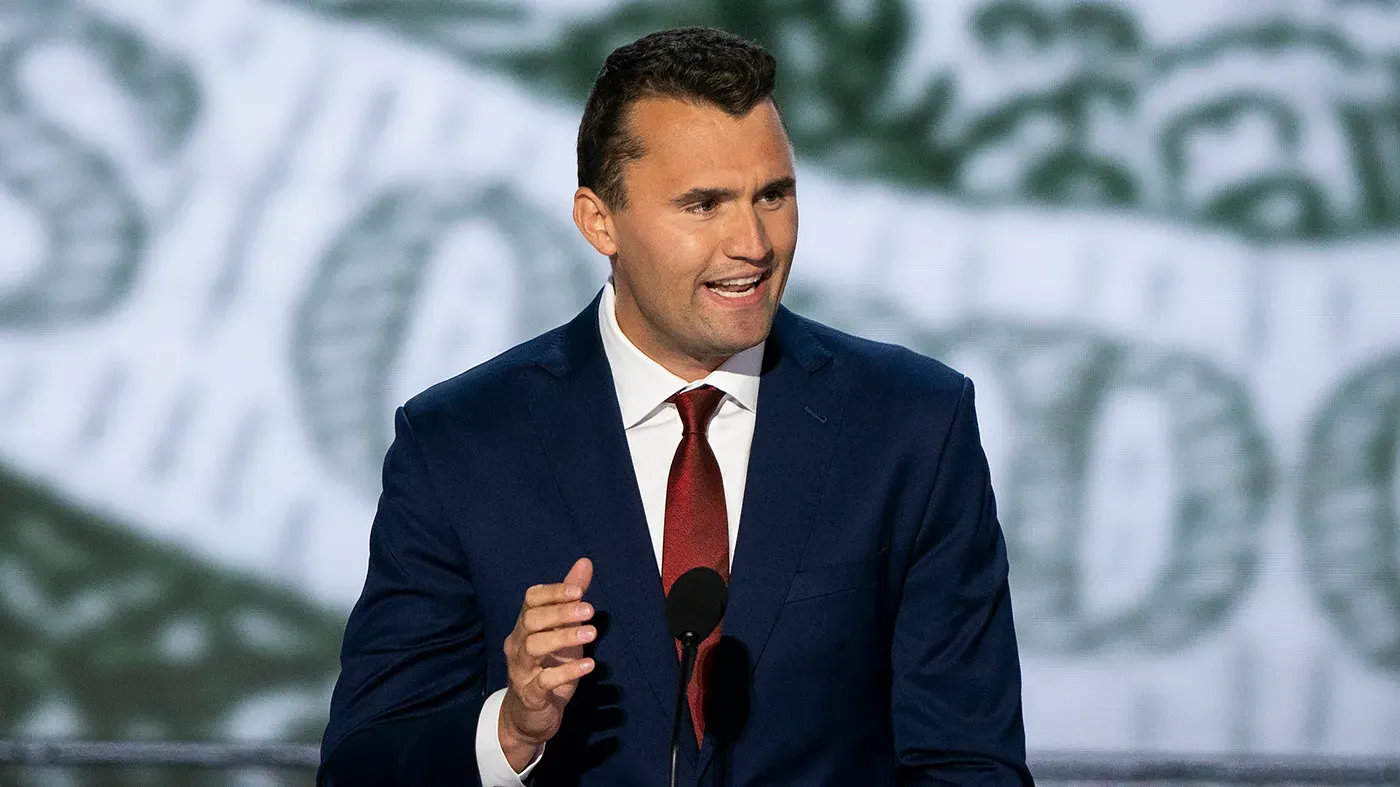
The legal defense of Tyler Robinson is awaiting the final reports of ballistics analyses carried out by the FBI, which include a second comparative bullet analysis and a lead bullet analysis.

The lawyers have emphasized that, until the defense receives the case files and protocols related to these analyses, and has them independently evaluated by their own expert, they will not be able to assess the reliability of this evidence, whether the prosecution or the defense decides to present it.

This evaluation process is crucial to determine the validity of the ballistics evidence in the case and its impact on the possible verdict.

In addition to the doubts about the ballistics evidence, the defense has also questioned the authenticity of text messages allegedly written by Robinson, arguing that they do not reflect the language and style of communication of someone his age.

This discrepancy in the language of the text messages has added another layer of complexity to the case, raising questions about the credibility of the evidence presented.

The combination of inconsistent ballistics evidence and doubts about the authenticity of the text messages suggests that the trial could take unexpected turns.

The combination of inconsistent ballistics evidence and doubts about the authenticity of the text messages suggests that the trial could take unexpected turns.

The defense could use the testimony of the ATF firearms analyst as exculpatory evidence, which could further weaken the prosecution's case.

The trial promises to be a complex legal process full of surprises, with an uncertain outcome due to the gaps in the evidence presented.

Despite the inconsistencies in the ballistics evidence and the doubts about the authenticity of the textual evidence, the prosecution is moving forward with its intention to seek the death penalty for Tyler Robinson.

This position of the prosecution highlights the seriousness of the case and the determination of the authorities to seek the maximum sentence.

However, the weakness of the evidence could make it difficult to obtain a conviction, especially if the defense manages to discredit the evidence presented.
Editorial Note

This content has been synthesized and optimized to ensure clarity and neutrality. Based on: Boing Boing