Trump's Iran Strategy Under Fire: Experts Slam Lack of Preparation and Shifting Tactics
Listen
Share
Richard Haass and other experts criticize the Trump administration's lack of preparation and changing strategies in its military operations against Iran.
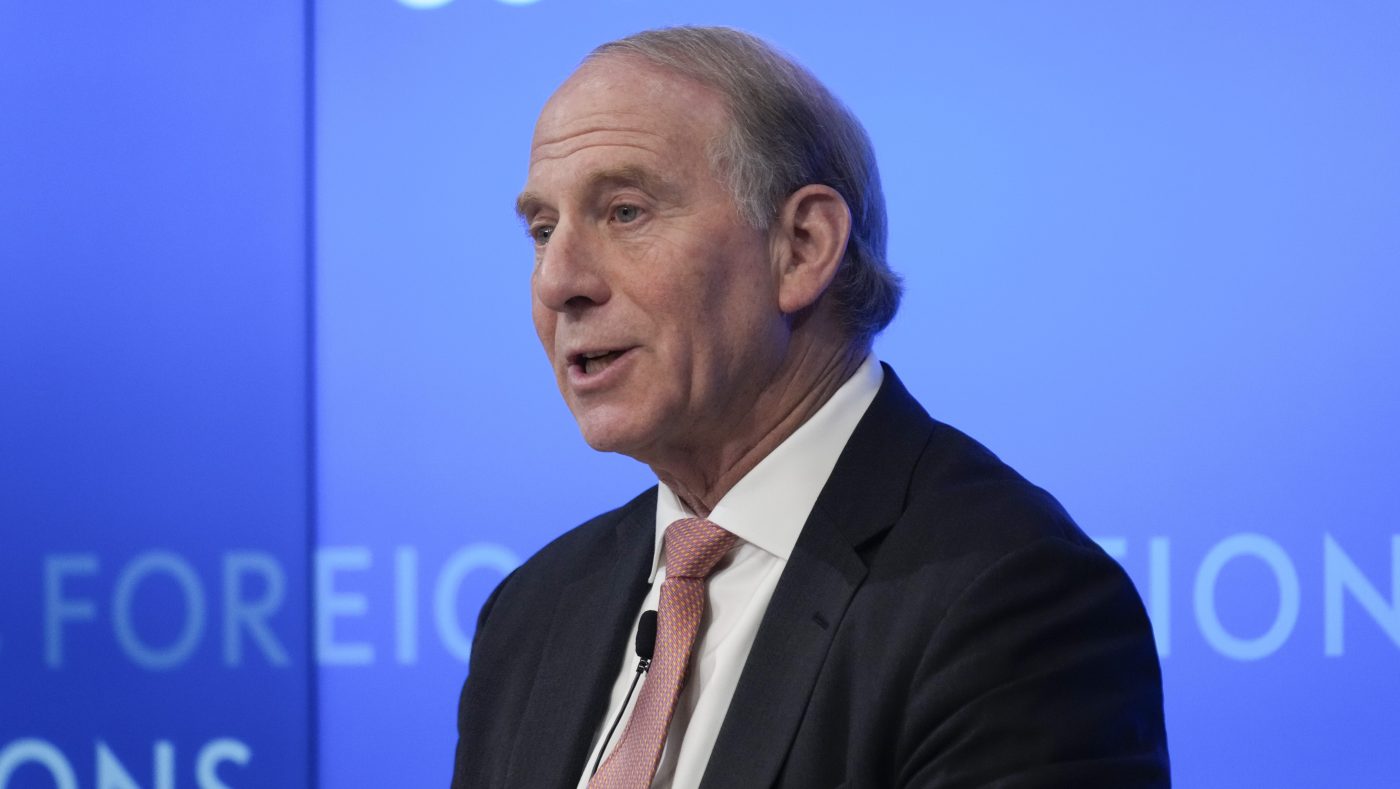
Diplomat Richard Haass, former president of the Council on Foreign Relations, strongly criticized the Trump administration's approach to its military operations against Iran. Haass noted that the administration appears to be 'going to war without a cushion' due to lack of preparation and constantly evolving objectives. This criticism came in an interview with Anderson Cooper on CNN, where Haass emphasized that the administration is 'paying a price for the lack of preparation in every sense of the word'.
Haass's criticism highlights the importance of a clear strategy and thorough preparation before undertaking military actions, especially in an international context as complex as Iran. The lack of consensus with Congress, public opinion, and allies, according to Haass, further aggravates the situation.
At the end of February, the United States and Israel carried out joint strikes against Iran, which followed the failure of nuclear deal negotiations. President Trump has not ruled out sending ground troops into the country during this conflict. In response, 2,000 paratroopers were deployed to the U.S. Central Command (Centcom) area this week, amid ongoing peace negotiations between the two countries.
This military escalation occurs in a context of increasing tensions and demonstrates the complexity of the situation in the region. The presence of additional troops and joint attacks suggest an increase in pressure on Iran, although talks for a possible peaceful resolution of the conflict are also maintained.
Around 50,000 military personnel are already stationed in the Centcom area, and 200 U.S. military service members have been injured during these military operations. According to Capt. Tim Hawkins, Centcom spokesperson, the majority of these injuries are 'minor'. These data reflect the human cost of military operations, even when seeking to minimize their impact.
The U.S. military presence in the region is significant and its impact extends beyond physical casualties. The current situation highlights the need for a well-defined strategy and careful management of military operations to prevent further deterioration of the situation.
Trump's adviser, Steve Witkoff, confirmed that the White House has sent a 15-point peace deal proposal to Tehran through Pakistani officials. Witkoff described the ongoing negotiations between the two countries as 'strong and productive'. This diplomatic move suggests an attempt to seek a peaceful resolution to the conflict, despite existing military tensions.
The peace deal proposal represents an important step in the search for a diplomatic solution. The involvement of Pakistani officials in the negotiations indicates the importance of regional cooperation in managing the conflict. The success of these negotiations will depend on the willingness of both parties to reach an agreement.
Tehran has issued several demands in response to the peace proposal, including sovereignty over the Strait of Hormuz, the cessation of military operations against the country by Israel and the United States, and reimbursement for costs incurred during the conflict. These demands reflect Iran's position in the negotiations and its interest in protecting its national interests.
Iran's demands pose significant challenges to the peace negotiations. Sovereignty over the Strait of Hormuz is a sensitive and strategic issue. The cessation of military operations and reimbursement of costs are economic and political issues that must be addressed. The ability of both parties to reach an agreement on these issues will determine the success of the negotiations.
Haass's criticism of the administration's execution of military operations echoes the assessment of former national security advisor John Bolton earlier this week. Bolton told CNN on Tuesday that the stalled peace deal negotiations indicate that the president is taking a short-term view of the conflict.
Bolton noted that decisions appear to be made 'day by day', reflecting a lack of strategic thinking before the attack. This criticism underscores the importance of long-term planning and a coherent strategy in the management of international conflicts.