
SADR: 50 Years of Struggle, Hope, and International Recognition
The Sahrawi Arab Democratic Republic celebrates half a century of resistance, solidifying its status as a state despite the challenges.

#SADR#Western Sahara#Morocco#Africa#Politics
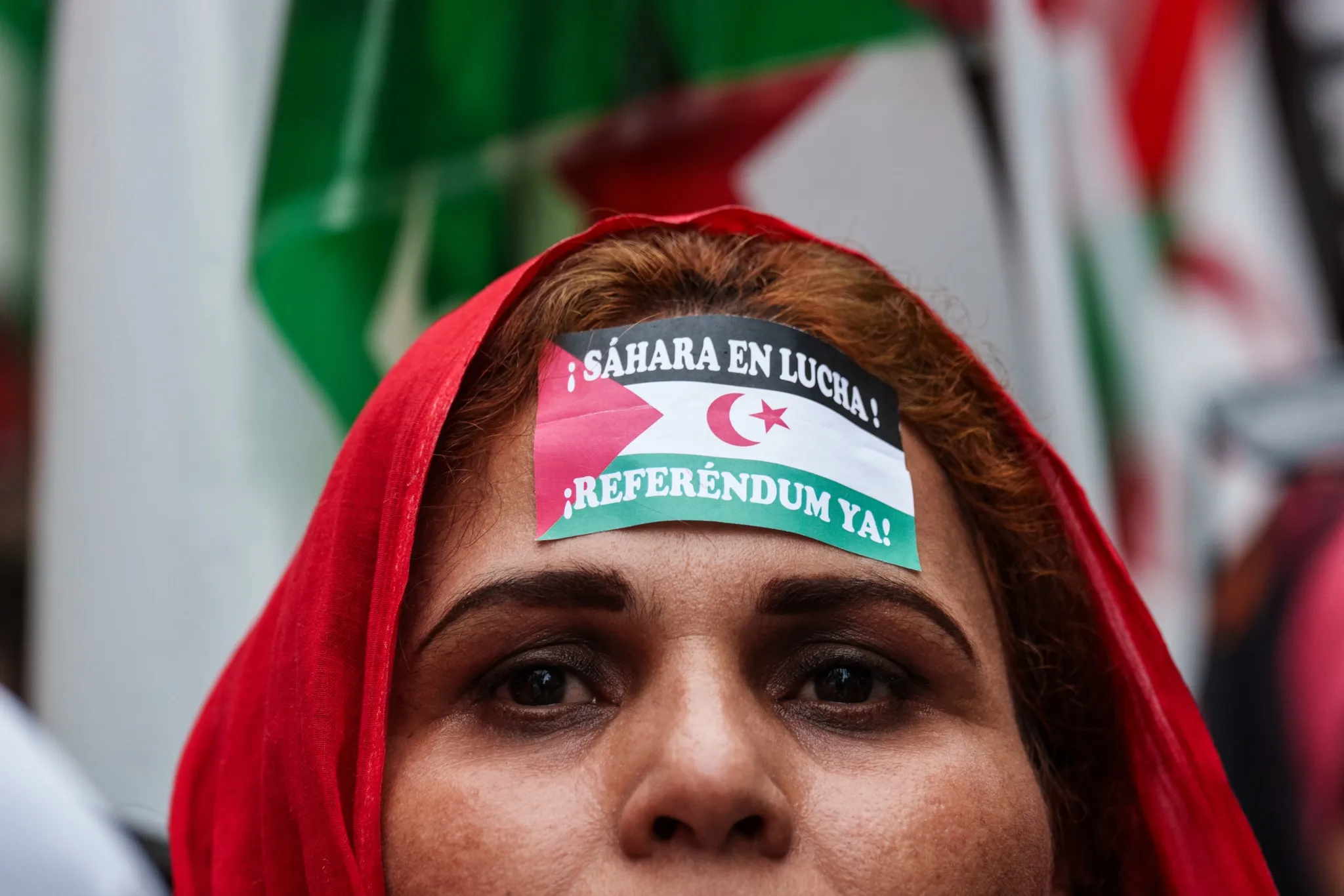
In November 1975, Spain, under the government of Carlos Arias Navarro, decided to abandon Western Sahara, dividing it between Morocco and Mauritania. This decision, taken after Hasan II's "Green March," led to the formation of the Sahrawi Arab Democratic Republic (SADR) on February 27, 1976, in Bir Lehlu. The SADR proclaimed itself a free and independent state, adhering to the principles of the United Nations Charter and the Universal Declaration of Human Rights.
From its inception, the SADR faced resistance from Morocco, which sought to prevent its recognition and consolidation. The history of the SADR is a testament to struggle and sacrifice, with a strong root in the love for its land and loyalty to those who gave their lives for it.
From its inception, the SADR faced resistance from Morocco, which sought to prevent its recognition and consolidation. The history of the SADR is a testament to struggle and sacrifice, with a strong root in the love for its land and loyalty to those who gave their lives for it.
Luali Musttafa Sied, secretary-general of the Polisario Front, proclaimed the SADR, highlighting its commitment to social justice and brotherhood with other Arab and African peoples. The SADR was based on the right of its people to self-determination, which Spain, the administering power, had failed to fulfill. The proclamation was not just formal; it involved a struggle on the ground to establish an undeniable territorial reality, facing opposition from Morocco and Mauritania.
The construction of the Sahrawi state required the creation of institutional, political, and administrative structures, a task that fell largely on the Sahrawi women. They were fundamental in keeping hope and resistance alive, educating new generations in a hostile environment.
The construction of the Sahrawi state required the creation of institutional, political, and administrative structures, a task that fell largely on the Sahrawi women. They were fundamental in keeping hope and resistance alive, educating new generations in a hostile environment.
Armed struggle was a crucial component in the defense of the SADR. The Sahrawi People's Liberation Army (ELPS) launched significant military offensives, such as the "Martyr Luali Offensive," which led to the capitulation of Mauritania in 1979. After Mauritania's departure, the ELPS focused on Hasan II's forces, launching offensives that hindered the deployment of the Royal Armed Forces (FAR) and turned Western Sahara into a hostile territory.
In the late eighties, Morocco, on the verge of collapse, sought a ceasefire through the UN, which led to a 29-year truce. In November 2020, the Sahrawis resumed the armed struggle.
In the late eighties, Morocco, on the verge of collapse, sought a ceasefire through the UN, which led to a 29-year truce. In November 2020, the Sahrawis resumed the armed struggle.
The SADR achieved significant international recognition, being recognized by 84 countries on five continents. In 1982, it was admitted as a full member of the Organization of African Unity (OAU), which led Morocco to leave the organization in 1984.
The creation of the African Union (AU) in 2001, replacing the OAU, further consolidated the SADR's status. Morocco, which had bet on the isolation of the SADR, found itself marginalized. In 2017, Morocco requested its re-entry into the AU, implicitly recognizing the SADR by adhering to the AU Constitutive Act.
The creation of the African Union (AU) in 2001, replacing the OAU, further consolidated the SADR's status. Morocco, which had bet on the isolation of the SADR, found itself marginalized. In 2017, Morocco requested its re-entry into the AU, implicitly recognizing the SADR by adhering to the AU Constitutive Act.
Currently, the SADR operates with all the attributes of a state: Constitution, population, government, parliament, judicial system, army, and territory. It administers refugee camps in Tindouf, Algeria, providing education, health, and administrative identity to thousands of citizens.
The SADR, inspired by its founder Luali Musttafa Sied, is determined to continue its struggle for self-determination and to raise its flag in Western Sahara. Abderrahman Buhaia, a Sahrawi interpreter and educator, is one of the voices representing this struggle and hope.
The SADR, inspired by its founder Luali Musttafa Sied, is determined to continue its struggle for self-determination and to raise its flag in Western Sahara. Abderrahman Buhaia, a Sahrawi interpreter and educator, is one of the voices representing this struggle and hope.
Related Stories


OMNI•3 min•