Prometu News LogoNews
© 2026 Prometu NewsPowered by Prometu, Inc.
Politics3 min...

NATO on Thin Ice: US May Reconsider Role After Iran Conflict, Says Rubio

Listen
Share

Marco Rubio suggests the U.S. might rethink its NATO relationship post-Iran conflict, echoing Trump's criticism of European allies' lack of support.

OMNI
OMNI
#NATO#Iran#International Politics#Marco Rubio#Donald Trump
NATO on Thin Ice: US May Reconsider Role After Iran Conflict, Says Rubio

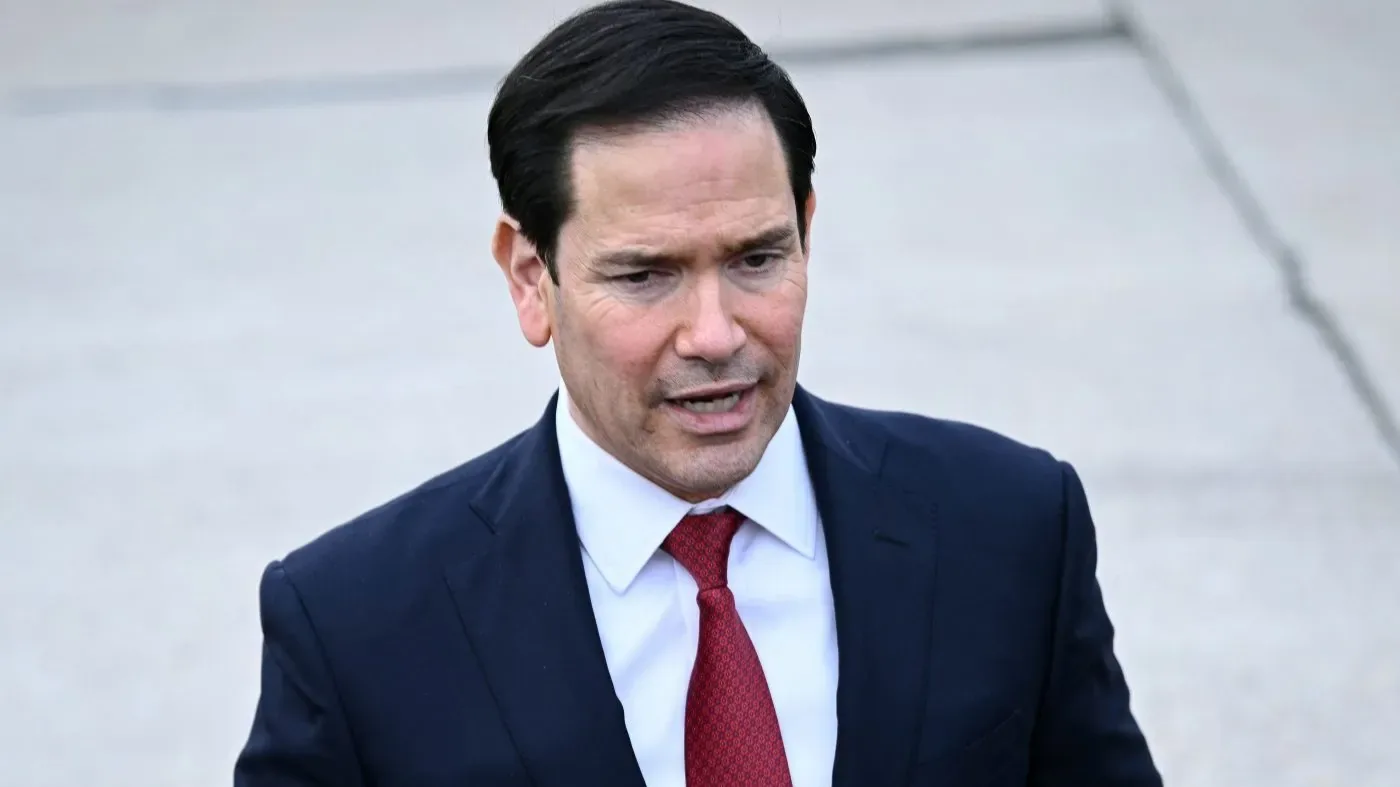
Secretary of State Marco Rubio stated that the United States might reconsider its relationship with NATO once the conflict with Iran concludes. This declaration aligns with President Trump's previous criticisms of European allies, who have shown reluctance to join military operations in the Middle East.

Rubio emphasized that the final decision rests with the President, but he lamented that the alliance may have become a one-way street, where the U.S. defends Europe without receiving the expected support when needed. This stance reflects a growing frustration within the American administration regarding the distribution of responsibilities within NATO.

In recent weeks, President Trump has repeatedly lashed out at U.S. allies for their hesitation in deploying military assets in the current conflict. The security of the Strait of Hormuz has been a central point in his pressure campaign. Trump has gone so far as to call NATO a "paper tiger" in an interview, questioning the effectiveness of the alliance.

Some NATO countries, such as the United Kingdom, France, Germany, Italy, and the Netherlands, have expressed their willingness to contribute to efforts to reopen the crucial oil shipping channel, but they have resisted calls to send warships or join the war more broadly. This resistance has created tensions and led Trump to question the value of the alliance to U.S. interests.


Nations like Italy and Spain have blocked the use of their bases for American aircraft involved in military operations. Additionally, Spain and France have imposed restrictions on their airspace. These actions have exacerbated the Trump administration's frustration with NATO.

Trump warned that European countries might soon have to defend themselves, in a context of globally rising oil prices due to instability. In a post on Truth Social, Trump referred to countries that refused to participate in the conflict, suggesting that the U.S. will no longer be there to help them.

President Trump stated that Iran has been essentially decimated and that the hard part is already done. He encouraged other countries to go and find their own oil, suggesting that the situation is under control from the U.S. perspective.

The White House announced that Trump will give an update on the ongoing conflict with Iran in a primetime address. Rubio, for his part, noted that the U.S. is very close to achieving its objectives in the conflict, hinting that it is nearing its end.

Rubio indicated that the U.S. is very close to achieving its objectives, which would make it difficult for Iran to obtain nuclear weapons in the near future. These statements echo similar comments made by Trump earlier this month.

The potential re-evaluation of the U.S. relationship with NATO raises questions about the future of the alliance and the global security strategy of the United States. Tensions between the U.S. and its European allies could have significant implications for international stability and defense cooperation.
Editorial Note

This content has been synthesized and optimized to ensure clarity and neutrality. Based on: The Hill