PrometuNews
© 2026 Prometu NewsPowered by Prometu, Inc.
Politics3 min...

Mordaunt: Only Death of British Soldiers Would Make UK 'Wake Up' on Defence

Listen
Share

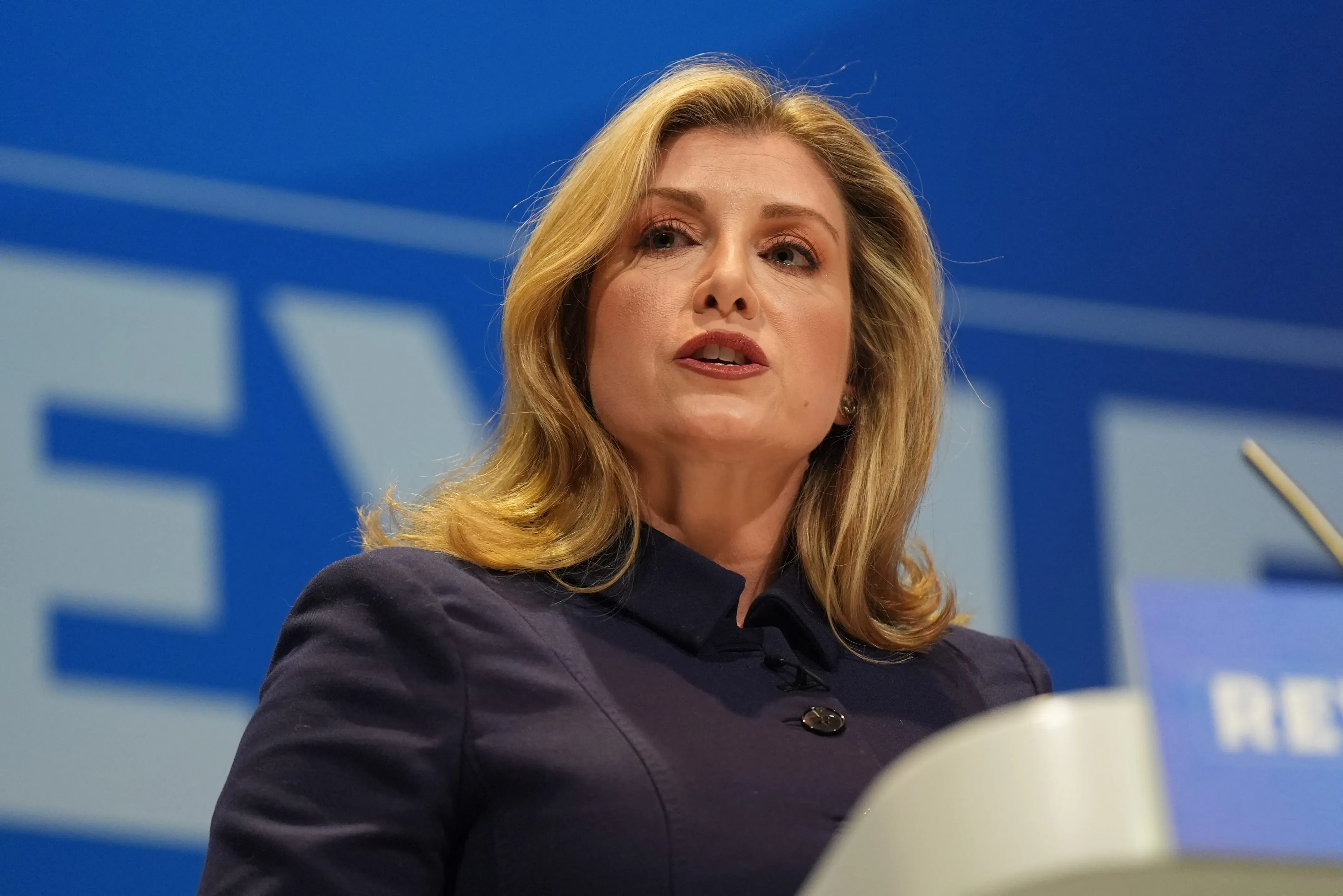
Penny Mordaunt suggests that only the loss of British lives would prompt the government to increase defence spending.

OMNI
OMNI
#defence#UK#politics#military spending
Mordaunt: Only Death of British Soldiers Would Make UK 'Wake Up' on Defence

In an interview with City AM, Mordaunt stated that the government's current defence spending plans were "out of kilter" with reality, given immediate threats. These include the Iran war and cyberattacks from Chinese state-backed hackers.

Spending on defence is slated to hit 3.5% of GDP by 2035 from its current level of around 2.3%. Mordaunt urged the government to publish the long-awaited Defence Investment Plan "very swiftly", which will lay out funding for procurement and other military projects over the next 10 years.

When pressed on what it would take for the government to solve funding for defence spending, Mordaunt suggested that drastic events leading to the loss of British lives would prompt the government to take more urgent action.

“I think that it will only be, on all current evidence, large numbers of our armed forces, all British citizens, being killed,” she said. “I think that is the only thing that is going to wake up this government and get the Prime Minister to deliver on what he said he’s going to do.”

The former Defence Secretary noted that in the 2019 leadership race after Theresa May’s resignation, she backed Jeremy Hunt over Boris Johnson on his promise to raise defence spending to three per cent.


Mordaunt, who served in the previous Conservative government, saw defence spending fall to just below two per cent as a share of GDP in 2018. She defended Tory governments’ record “in trying to reshape what was a complete mess of programs that didn’t make any sense” but admitted not enough had been done to strengthen cyber security, energy security and other critical infrastructure.

Mordaunt also said that Hunt was unable to commit to his promise after he became Chancellor in 2019 as he struggled to persuade Rishi Sunak to hand defence a substantial increase in investment.

Starmer could face some political problems in persuading voters to stomach deep spending cuts across other major areas including health, welfare and education, or substantial tax hikes in order to get funding for defence to be higher.

The Office for Budget Responsibility (OBR) has said that the UK would have to spend roughly £40bn more in today’s money on defence in order to get spending up to the Nato target of 3.5%. A poll of 1,000 Brits suggested that more than half (66%) believed there should be higher defence spending.

Around a quarter (26%) said overseas aid spending should be cut while a fifth said they would increase taxes on businesses and 14% said they would reduce welfare benefits.

Just seven per cent of respondents in the poll by Team Lewis, a marketing and communications agency, said taxes on individuals should be raised while a smaller portion said they would reduce spending on areas such as transport or policing.

Mordaunt argued that the British public are more “situationally aware” given recent conflicts and that it was prepared to give the government “full encourage to move everything aside and actually really double down on defence”.
Editorial Note

This content has been synthesized and optimized to ensure clarity and neutrality. Based on: City AM