PrometuNews
© 2026 Prometu NewsPowered by Prometu, Inc.
Politics3 min...

Lebanon: Strategic Opportunity to Dismantle Hezbollah with Western Support

Listen
Share

Western support could be key to dismantling Hezbollah in Lebanon, opening the door to regional stability and an end to hostilities with Israel.

OMNI
OMNI
#Lebanon#Hezbollah#Israel#Middle East#International Politics
Lebanon: Strategic Opportunity to Dismantle Hezbollah with Western Support

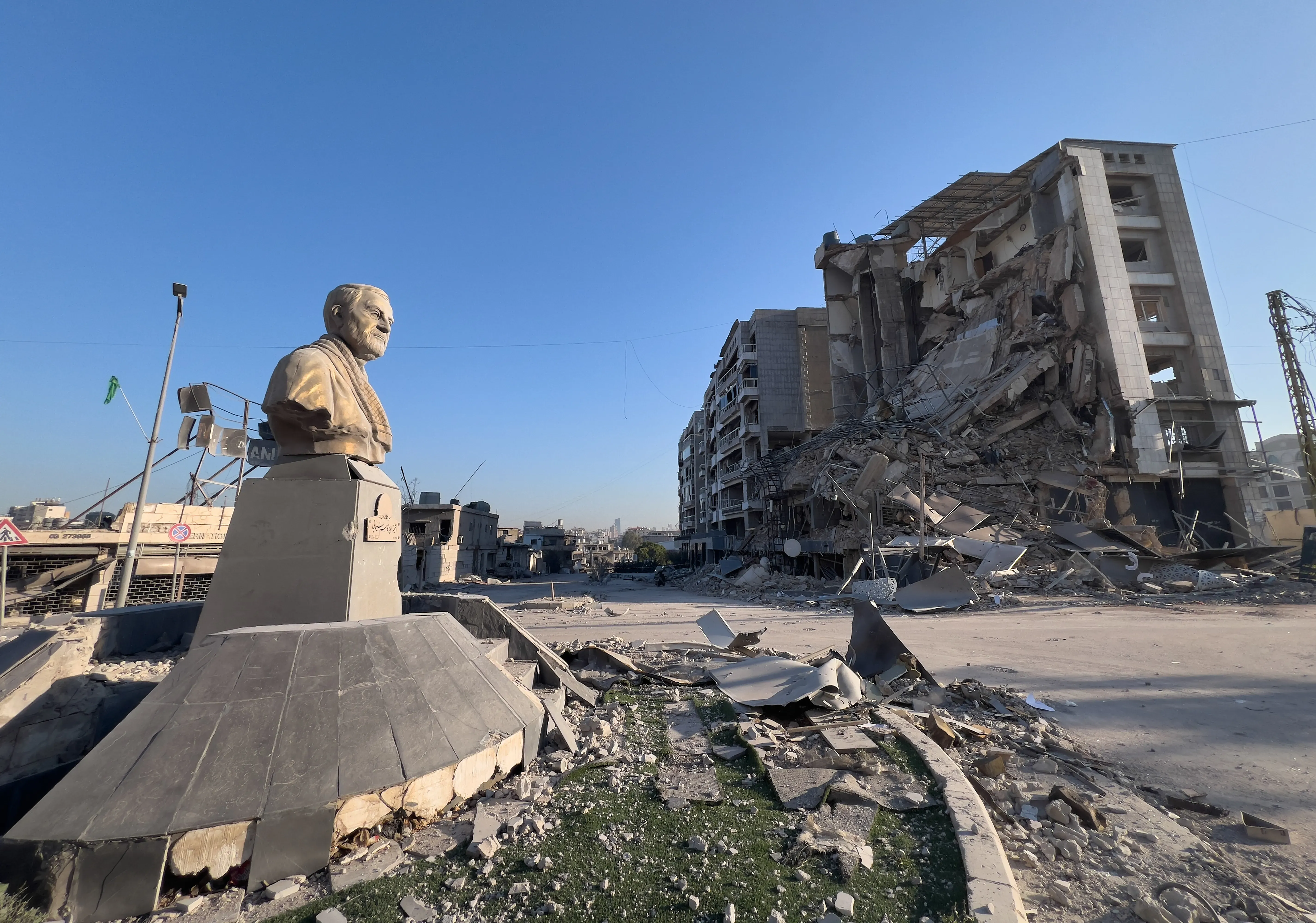
In a context where the United States and other Western countries are reluctant to get involved in the Middle East, the situation in Lebanon could be an exception. The Lebanese government, led by President Joseph Aoun, is actively trying to dismantle Hezbollah, an Iranian-backed jihadist group since the 1980s. This initiative, along with Syria's willingness to block the transit of weapons, suggests a major shift in regional dynamics.

The removal of Hezbollah from Lebanon could end one of Iran's most powerful instruments of regional projection. This would open the door to a formal end to hostilities between Israel and Lebanon, something unthinkable for nearly eight decades. Furthermore, it could draw Lebanon into the broader architecture of regional normalization that is now tentatively taking shape.


Hezbollah has operated as a state within a state for decades, undermining Lebanese sovereignty and dragging the country into conflicts it neither wants nor can afford. Funded, armed, and trained by Iran, it became Lebanon's most powerful armed force and the main obstacle to its recovery after decades of instability. Hezbollah dominates and intimidates, ultimately answering not to Beirut, but to Tehran.

There is a growing recognition in Lebanese society that now is the time to act. The country cannot rebuild, stabilize, or rejoin the regional and global economy while Hezbollah remains dominant. Aoun's government has expressed its willingness to move towards Hezbollah's disarmament and even to embrace a French-backed diplomatic framework that could include recognition of Israel and a formal end to hostilities.

If Lebanon requests international assistance, the West must answer. This would not be unprecedented. Iraq formally requested international assistance against the Islamic State when it could not defeat the group on its own. In Mali, France intervened at the invitation of the government to push back jihadist forces threatening to overrun the country. In the Balkans, international action followed the appeals of governments facing fragmentation and militia violence. In Sierra Leone, a requested British intervention helped stabilize a country on the brink.

Disarming Hezbollah would not require a full-scale invasion or an open-ended occupation. But it would require an external guarantee, a stabilizing presence credible enough to ensure that Hezbollah understands the game is up and that the Lebanese army is not left to confront a far more powerful adversary alone. In practical terms, that likely means a NATO-backed force.

Lebanon is not only politically constrained but also economically shattered. Its currency has collapsed, its infrastructure has deteriorated, and much of its professional class has emigrated. The effort to eliminate Hezbollah must be combined with a credible alternative: a reconstruction and investment package involving Western governments and Gulf states, large enough to give Lebanese society a tangible stake in a different future.

Hezbollah is the most formidable pillar of Iran's terror network, associated with attacks as far afield as Europe and South America. In foreign policy, as in civic life, there are moments when helping others is not altruism but prudence and decency. Lebanon deserves a moment of thought.
Editorial Note

This content has been synthesized and optimized to ensure clarity and neutrality. Based on: The Hill