Prometu News LogoNews
© 2026 Prometu NewsPowered by Prometu, Inc.
Politics5 min...

Kosovo Neglects Non-Albanian Cultural Heritage: Is it Discrimination?

Listen
Share

Minority communities in Kosovo denounce the lack of protection for their cultural heritage compared to Albanian sites.

OMNI
OMNI
#Kosovo#Cultural Heritage#Discrimination#Minorities#Albania
Kosovo Neglects Non-Albanian Cultural Heritage: Is it Discrimination?

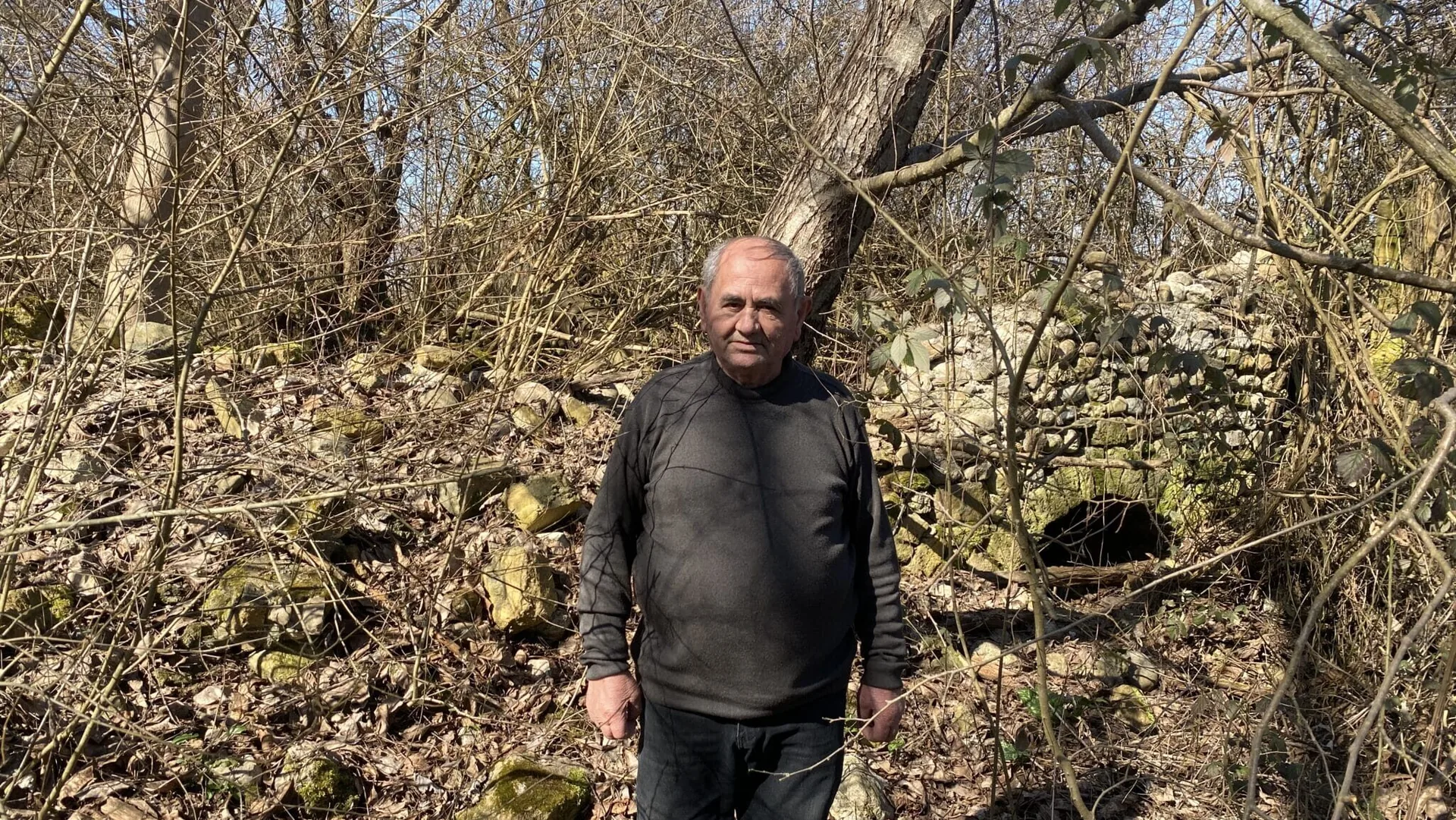
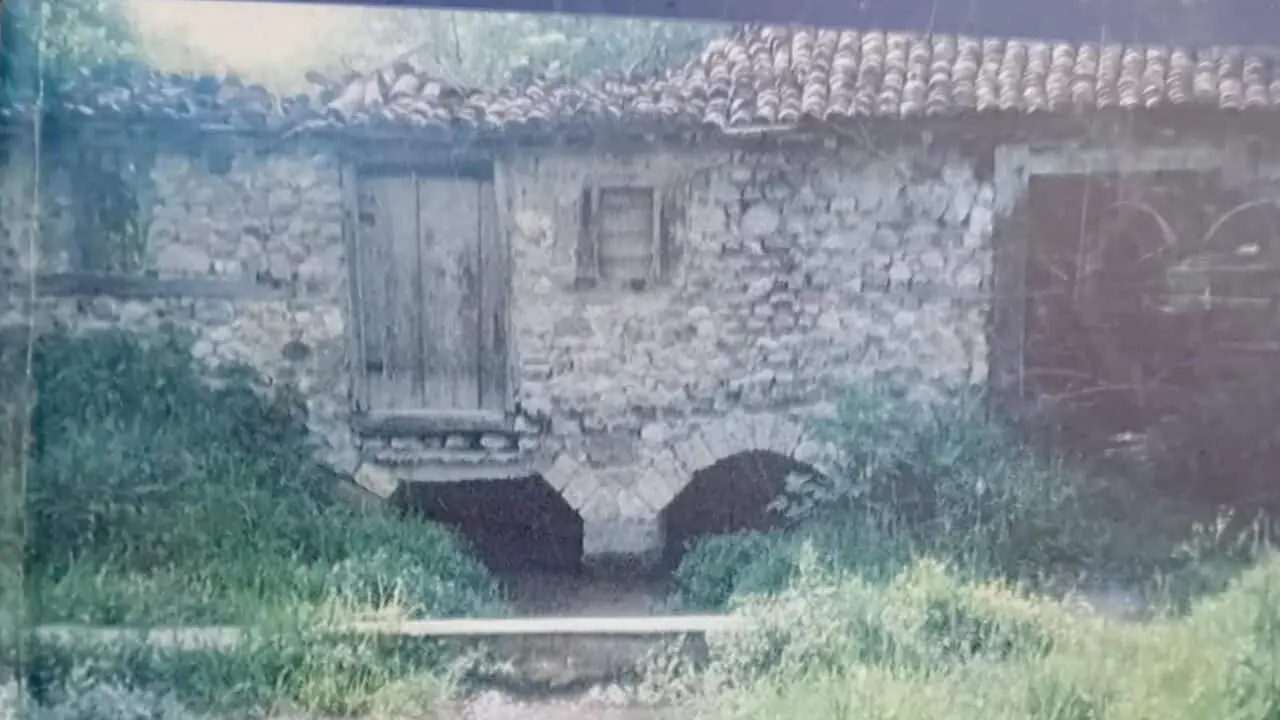
The lack of restoration and protection of a mill belonging to a family with mixed Serbian and Albanian heritage in Gorazhdec/Gorazdevac has sparked controversy in Kosovo. Dunic-Stevanovic, a descendant of this family, regrets that the authorities do not recognize the value of the mill as a testament to unity among the different communities in the region, despite its historical and cultural significance.
Kosovo Neglects Non-Albanian Cultural Heritage: Is it Discrimination? - Image 1
The situation highlights a possible disparity in the protection of cultural heritage in Kosovo, where attention seems to focus mainly on properties of Albanian origin.

Although the village is predominantly Serbian, it is nestled in a region dominated by the mainly Albanian city of Peja/Pec. This diversity is not reflected in cultural heritage protection policies, according to members of the Serbian community.

The Regional Center for Cultural Heritage in Peja/Pec has been criticized for exclusively including Albanian-owned properties on its list of protected assets, leaving aside non-religious objects belonging to Serbs and other minorities. Shpresa Gjonbalaj, director of the center, denies any discrimination in the selection process, arguing that it is based on professional and legal criteria, unrelated to the ethnicity of the owners. However, she did not directly answer questions about the specific case of the Gorazhdec/Gorazdevac mill.

The exclusion of assets belonging to minorities raises questions about fairness in the protection of cultural heritage in Kosovo and fuels accusations of institutional discrimination. The lack of recognition of the historical and cultural value of these assets could be interpreted as an attempt to erase the identity of non-Albanian communities.

Artan Krasniqi, a member of the Council for Cultural Heritage of Kosovo, states that the ethnic origin of a cultural asset is not a relevant criterion for its protection. According to Krasniqi, the council's mission is to protect the cultural diversity of the country, not only as a legal obligation, but because it is considered a fundamental value of an equal and democratic society. The government of Kosovo has echoed this position, assuring that the selection of assets for restoration and conservation is based on their legal protection status.

Despite these statements, the lack of representation of assets belonging to minorities on protection lists remains a concern. The Ministry of Culture acknowledges a lack of institutional communication between non-Albanian owners of cultural heritage assets and authorities at the state and local level.

A draft Law on Cultural Heritage in Kosovo, intended to clarify the powers and responsibilities of the various institutions involved in heritage protection, has been stalled in parliament for five years. The approval of this law, which requires a two-thirds majority, has been hampered by a lack of political consensus. Meanwhile, Sali Shoshi, director of the Kosovo Foundation for Cultural Heritage without Borders, CHwB, has observed that the Ministry of Culture promotes very few old houses or other similar structures belonging to minority communities.

Shoshi suggests that the absence of a quota that guarantees adequate representation of these assets and sites could be the cause of this situation, rather than systematic discrimination. He also points out that cultural heritage authorities at the local level are not doing all they should, identifying hundreds of unmarked archaeological sites in various cities.

According to data from the Ministry of Culture, only three non-religious sites owned by Serbs have protected status in Kosovo: two old houses in the western village of Velika Hoca/Hoqa e Madhe and a mill in Novoberda/Novo Brdo, in the east. The mill in Novoberda/Novo Brdo, restored by the United Nations Development Program with funds from the Ministry of Culture, has become a local historical landmark.
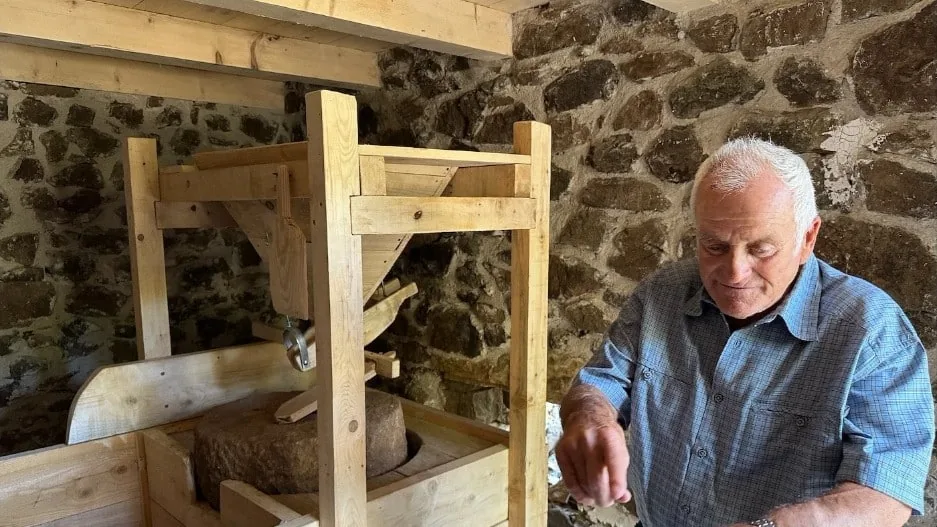
Kosovo Neglects Non-Albanian Cultural Heritage: Is it Discrimination? - Image 2
Milivoje Milic, a pensioner who grew up in the village, recalls that there used to be about 30 mills along its streams and is excited to see the renovated mill.

Milos Milenkovic, professor of Ethnology and Anthropology at the University of Belgrade, emphasizes that the protection of the cultural heritage of minorities is an important issue in other parts of the former Yugoslavia, not only in Kosovo. There is an underrepresentation of minority heritage and a contested cultural heritage due to a conflictive past. Milenkovic advocates for strategies that contribute to the depoliticization of heritage and that establish regional cooperation and coherent approaches in policymaking and education.


Sejnur Vesal, a Roma activist in the southern city of Prizren, denounces that efforts to secure official cultural heritage status for a variety of Roma traditions, folktales, songs and rituals have not received a response. The community submitted its proposals to the local cultural heritage center for evaluation, but have not received a response in years. The Cultural Heritage Center of Prizren states that the request is currently under review and evaluation.

The Organization for Security and Cooperation in Europe, OSCE, has stated that cultural heritage, particularly that of non-majority communities, plays a vital role in promoting inclusivity within Kosovo's diverse society.
Editorial Note

This content has been synthesized and optimized to ensure clarity and neutrality. Based on: Balkan Insight