Prometu News LogoNews
© 2026 Prometu NewsPowered by Prometu, Inc.
Politics4 min...

Airstrike in Iraq Kills Three Fighters: Escalation in the Middle East?

Listen
Share

An airstrike in western Iraq claimed the lives of three fighters, escalating tensions in the region.

OMNI
OMNI
#Iraq#Conflict#Middle East#Hashed al-Shaabi#International Politics
Airstrike in Iraq Kills Three Fighters: Escalation in the Middle East?

On Tuesday, an airstrike in western Iraq claimed the lives of three fighters from the former paramilitary coalition Hashed al-Shaabi. The alliance issued a statement blaming the United States and Israel for this act. This incident comes at a time of increasing tension, where Iraq has been drawn into the broader Middle East conflict, exacerbated by the U.S.-Israeli strikes in Iran on February 28.

Pro-Iran armed groups have claimed responsibility for several attacks targeting U.S. interests in Iraq and across the region, while, reciprocally, these groups have also been targeted by attacks. The situation remains volatile, with fears of further escalation in the region.

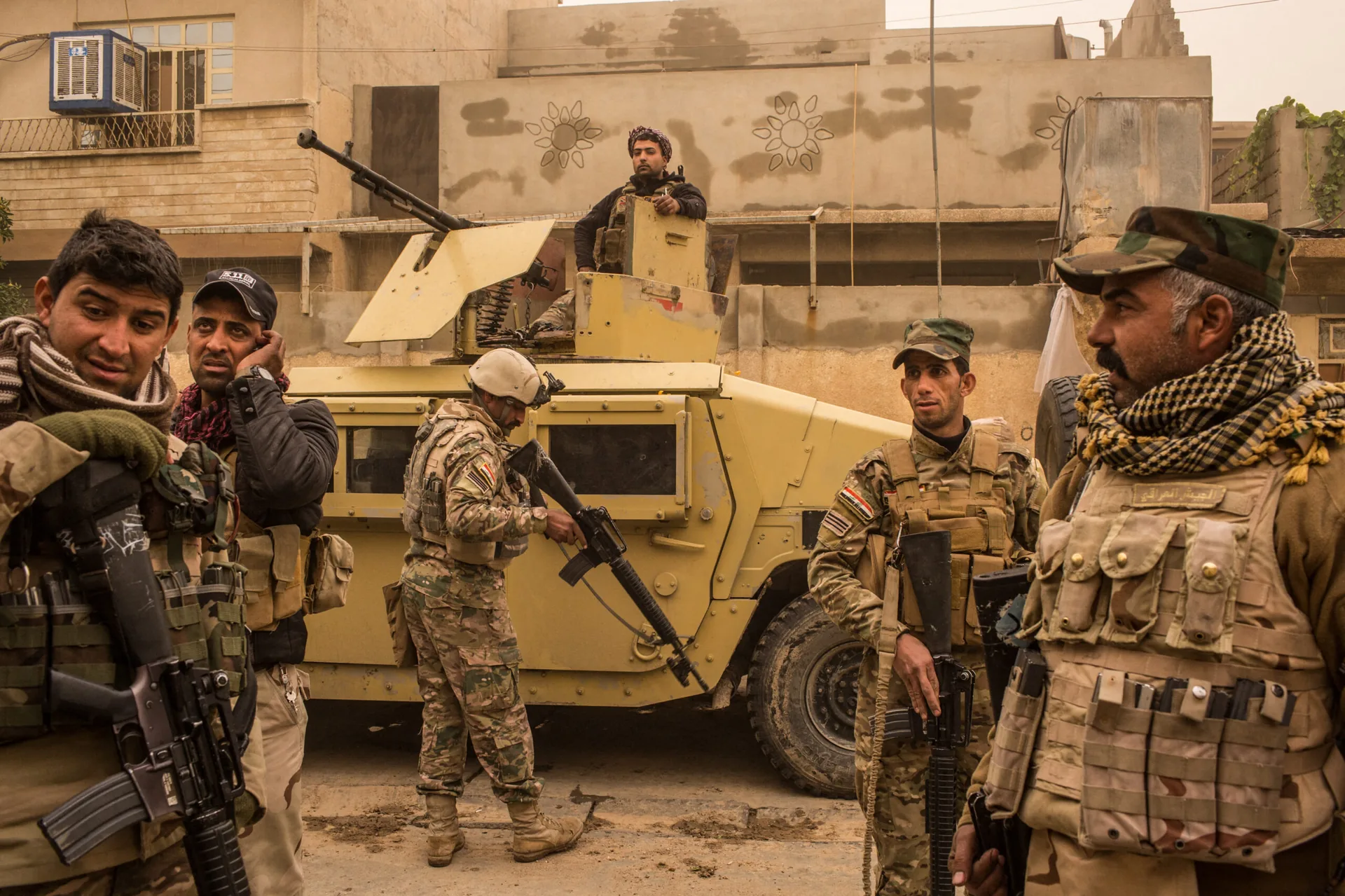
Airstrike in Iraq Kills Three Fighters: Escalation in the Middle East? - Image 1

The attack, aimed at a checkpoint in Anbar province, resulted in the death of three fighters and injuries to four more, according to the statement issued by the Hashed al-Shaabi coalition. This alliance, also known as the Popular Mobilisation Forces (PMF), is an integral part of Iraq's regular armed forces, although it houses pro-Iran factions. The nature of the attack and its immediate consequences underscore the complexity of the security landscape in Iraq.

AFP journalists reported hearing an explosion and observing smoke near Erbil International Airport, the capital of the autonomous region of Iraqi Kurdistan. Erbil is home to a major U.S. consulate complex, and its airport serves as a base for military advisors linked to a U.S.-led anti-jihadist coalition. Regular drone attacks by pro-Iran armed groups are often intercepted by air defenses, but the persistence of these incidents raises concern.

According to another AFP journalist, debris resulting from the intercepted attack fell on cars and homes near the airport, causing material damage. This incident highlights the risk faced by civilians amid the growing instability and the constant threat of airstrikes in the region.

A base in the northern province of Sulaymaniyah, which houses the regional armed forces of Iraqi Kurdistan, was also targeted by a missile and rocket attack overnight. Despite the intensity of the attack, the regional force reported that there were no casualties. This incident underscores the vulnerability of military facilities in the region and the persistent threat of attacks.

In southern Iraq, security officials reported that a drone fell in an oil field, but no explosions or injuries were recorded. Since the outbreak of the war, many oil operations in Iraq have been suspended due to instability and associated risks. The fall of the drone in an oil field raises concerns about the security of energy infrastructure in the region.

Overnight, the PMF also reported that their positions were attacked in Jurf al-Sakher, although there were no casualties. The base, also known as Jurf al-Nasr, is one of the strongholds of pro-Iran groups blacklisted by the United States, such as Kataeb Hezbollah. The attacks against these positions highlight the continued confrontation between different factions in Iraq and the complexity of the security landscape.
Editorial Note

This content has been synthesized and optimized to ensure clarity and neutrality. Based on: The Defense Post