Prometu News LogoNews
© 2026 Prometu NewsPowered by Prometu, Inc.
Politics3 min...

Judge Halts White House Ballroom Construction Project

Listen
Share

A federal judge halted the construction of the White House ballroom project, citing a lack of legislative authorization.

OMNI
OMNI
#White House#Trump#Construction#Politics
Judge Halts White House Ballroom Construction Project

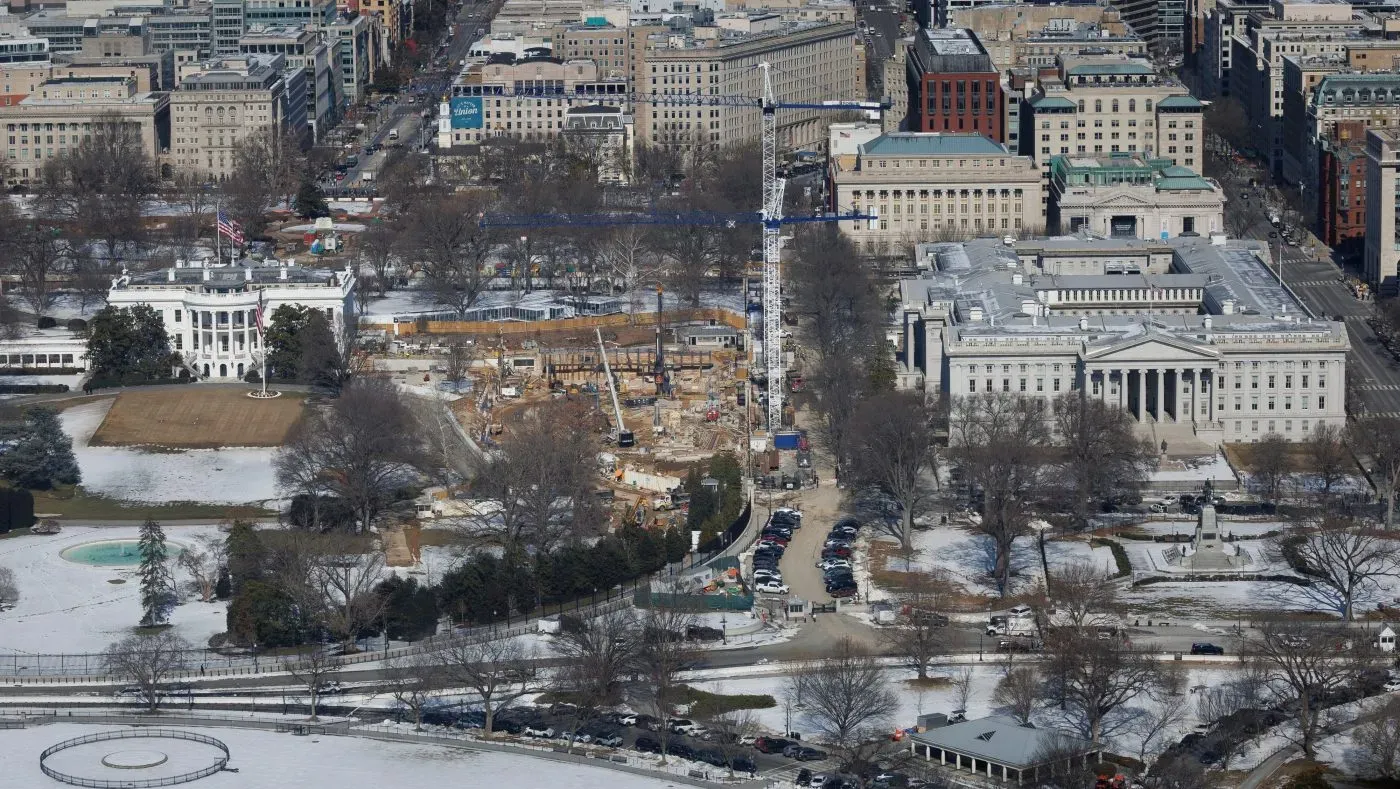
On Tuesday, a federal judge halted construction on the White House ballroom project, which was initiated by then-President Trump. U.S. District Judge Richard Leon ruled that no statute “comes close” to granting Trump the authority he claimed to have to execute the project, valued at $400 million. The court's decision bars construction from continuing until Congress authorizes its completion.

Judge Leon emphasized that while the president is the steward of the White House for future generations, he is not the owner. This statement underscores the importance of legislative oversight in projects involving public funds and national heritage. The project's suspension highlights the limits of executive power in relation to budget control and the preservation of federal property.

The legal basis for Judge Leon's decision is the absence of explicit authorization from Congress for the project's execution. The judge argued that Trump's claim of authority had no legal basis, leading to the immediate suspension of the works. The judge's ruling highlights the need for a clear delineation of powers between the executive and legislative branches regarding the management of federal resources.

The court's decision serves as a reminder that the president, although having extensive responsibilities, is not above the law. The project, valued at hundreds of millions of dollars, was put on hold pending a possible review and approval by Congress.


The construction project in the White House ballroom, with an estimated cost of $400 million, was the center of the legal controversy. The lack of congressional authorization was the determining factor that led to the suspension of the works. This situation highlights the importance of budgetary control and legislative oversight in federal infrastructure projects.

Judge Leon's decision underscores the need for transparent and legal management in the use of public funds. The project's suspension could force a reevaluation and possible modification of the plan, pending Congressional approval.

In his ruling, Judge Richard Leon highlighted that the President of the United States is the steward of the White House for future generations, but not its owner. This distinction is crucial, as it establishes the limits of executive power in relation to the management of national heritage. The ruling implies that any construction or modification project of the White House must be authorized by Congress.

This stance by the judge seeks to preserve the integrity of the historic building and ensure that important decisions are made with due legislative oversight. The suspension of the ballroom project is a clear example of how the separation of powers operates in practice.

The suspension of the ballroom project could set an important precedent in relation to future construction projects at the White House. Judge Leon's ruling underscores the need for strict adherence to legal procedures and congressional authorization in the management of federal property.

This case could influence how infrastructure projects at the White House are planned and executed in the future. The court's decision could lead to greater transparency and accountability in the administration of public resources.
Editorial Note

This content has been synthesized and optimized to ensure clarity and neutrality. Based on: The Hill