Prometu News LogoNews
© 2026 Prometu NewsPowered by Prometu, Inc.
Politics7 min...

Trump's Drug War in Ecuador: Is it Doing More Harm Than Good?

Listen
Share

The intensified war on drugs in Ecuador, driven by the U.S., could exacerbate instability and authoritarianism.

OMNI
OMNI
#Donald Trump#Ecuador#Drug Trafficking#Politics#Security#USA
Trump's Drug War in Ecuador: Is it Doing More Harm Than Good?

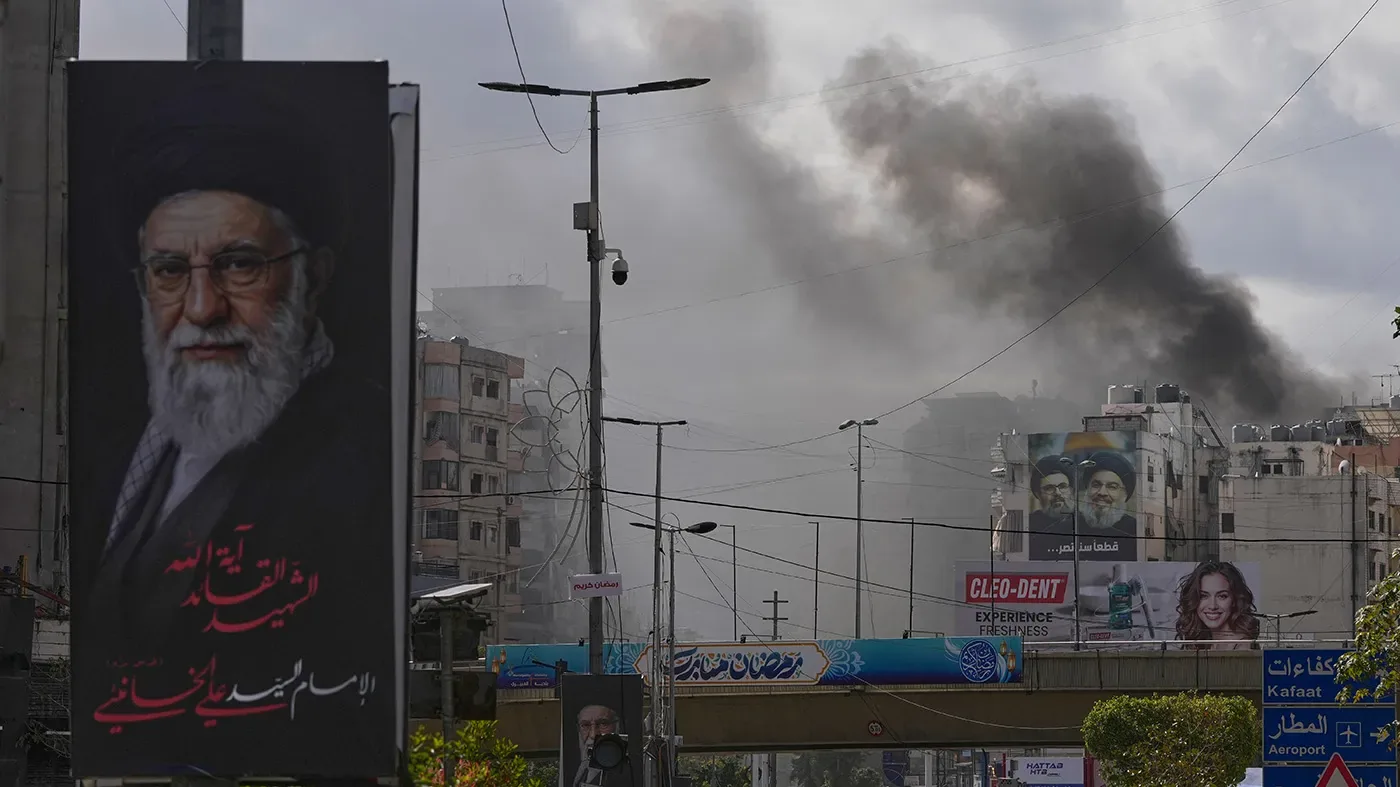
On March 3, as media attention focused on the joint Israeli-U.S. attack on Iran, the United States and Ecuador launched a joint military operation against "Designated Terrorist Organizations," a new classification by the Trump administration for drug cartels and related organizations. This comes at a time when Ecuador has experienced an increase in cocaine trafficking and a spike in homicides over the past year.

It is still too early to determine whether the new FBI office in Quito or the airstrikes against the "training grounds" will have a significant impact on the cartels or the homicide rate in Ecuador. According to Joseph Humire, acting assistant secretary of war for homeland defense and security affairs of the Americas under Trump, the attacks are "setting the pace for regional operations focused on deterrence against cartel infrastructure throughout Latin America and the Caribbean."

In Ecuador, the new wave of American involvement seems to be doing more harm than good, especially by reinforcing the increasingly authoritarian government of President Daniel Noboa.

The context is a years-long battle that the Ecuadorian government has waged against drug traffickers. "[Noboa] is using the fight against the narcos as his main political platform, the one that allowed him to be elected and the one he has to fulfill, to repress any form of dissent, opposition or criticism," Guillaume Long, former Minister of Foreign Affairs of Ecuador under the previous left-wing president, Rafael Correa, told *The American Prospect*. More recently, this has materialized in Noboa's suspension of the country's largest opposition party, Citizen Revolution (known by its Spanish acronym RC and headed by Correa). The ban, enacted on allegations of irregular campaign financing in the 2023 elections, is supposed to last nine months, which could seriously hinder the participation of opposition candidates in the 2027 local elections.

Noboa has successfully consolidated power at the national level, but has less support at the local level, Sebastian Hurtado, founder and president of PRóFITAS, a leading political risk consultancy based in Quito, told *The American Prospect*.

"I think President Noboa is aware that he does not have majority support now; I think he has lost the strong support with which he was elected," Hurtado said. "He has a solid base of support, around 30, 35 percent support. And that is not enough to win an election by majority vote, but it is enough to win local elections."

To that end, the government has begun to attack its opponents, not only independent indigenous leaders and groups that led large protests against the decrease in fuel subsidies last year, but also Mayor Aquiles Álvarez of Guayaquil, the country's main port city. Álvarez, a prominent member of RC and seen as a possible rival of Noboa, was arrested on February 10 on charges of money laundering and tax evasion. Although Hurtado acknowledged that there could be some truth in those accusations, Álvarez is far from the only politician who participates in illicit activities. "The government, obviously, is taking advantage of those accusations to pressure the authorities" to arrest Álvarez, who has long been one of Noboa's most vocal opponents. Police also raided the home of Cristian Zamora, the mayor of Cuenca, on charges that, according to his supporters, are politically motivated.


While the actions against Noboa's opponents are deeply concerning, it is ordinary people who suffer the most under his harsh tactics. Beyond the March 3 airstrikes, which appear to have destroyed a civilian farm and not a cartel training camp, people in many provinces live under a state of exception, which limits their ability to move and congregate freely, and even allows searches without a warrant, said Glaeldys González Calanche, analyst for the International Crisis Group for the Southern Andes.

In other words, the intention seems to be to use drug trafficking as a pretext to impose political repression. In fact, Noboa's iron fist approach seems to be making the problem worse. "What people really see on the ground is that the security situation is worse, insecurity is more rampant, and criminal groups extend their reach and their influence and power with impunity, and different types of illegal and illicit economies continue to grow," said González Calanche. "There are still historically high levels of violence [along the Pacific coast] despite the crackdowns, despite the states of exception, despite the curfews and despite this very militarized approach, and that has really shown its limits so far."

The United States' involvement may bring some additional intelligence capacity and manpower to Ecuador's war on drugs, but it will also bring increased violence and insecurity for some of Ecuador's most vulnerable people. There are already reports of torture and enforced disappearances related to Noboa's war on drugs.

Ordinary people are "basically trapped between criminal groups harassing them and committing all kinds of crimes against them, and recruitment and extortion and all that," González Calanche said. "And from the other side, the official side, the security forces, and if they see them as part of criminal groups, they are really trapped, trapped between these two sides."

Even if the Ecuadorian government were to totally destroy the cartels, the end result, as has been seen over and over again throughout Latin America, would be that existing cartels would fracture (or new ones would form) and fight the government and each other to secure control over the immense potential profits from drug trafficking.

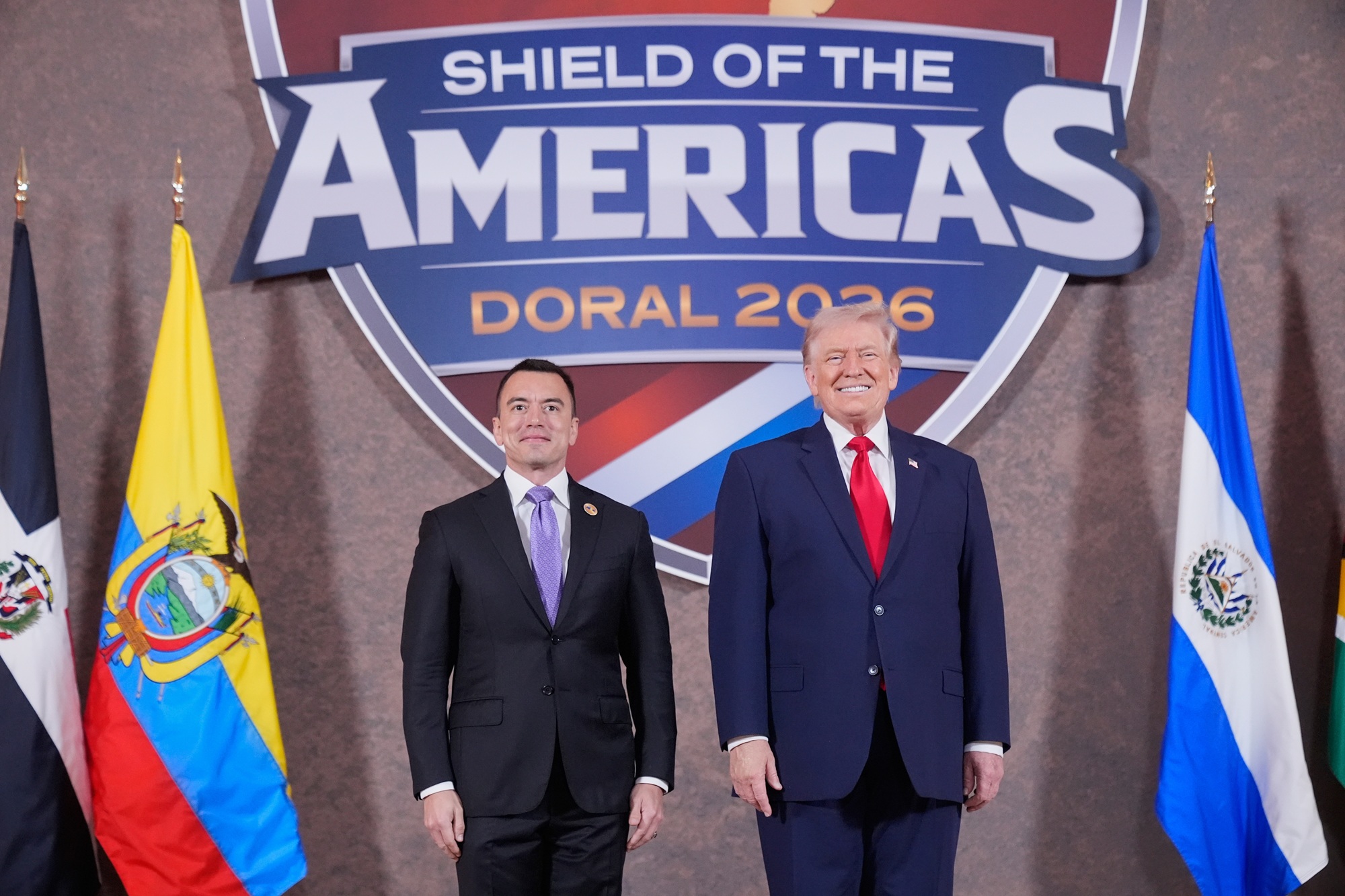
Unfortunately, under the Trump administration, the extreme militarized crackdown on drugs is likely to continue and spread further in the region. The Shield of the Americas, President Donald Trump's new mechanism for cooperation throughout the Americas, focuses almost exclusively on the use of force against suspected drug traffickers.

At the inaugural meeting on March 7, Trump did not mince words about what that meant. "The heart of our agreement is a commitment to using lethal military force to destroy the sinister cartels and terrorist networks," the president said. That also likely means an increase in extrajudicial killings that began with Operation Southern Spear, the administration's bombing campaign against ships transiting the Caribbean and parts of the Pacific.

"I think Ecuador in particular is something we have to watch," González Calanche said. "And considering that Ecuador is the experiment, the playground, of the United States in this approach to try to consolidate its military operations and this type of intervention, I think that will also give us an example of what it can become." The results of that experiment are likely to be gruesome.
Editorial Note

This content has been synthesized and optimized to ensure clarity and neutrality. Based on: The American Prospect