Prometu News LogoNews
© 2026 Prometu NewsPowered by Prometu, Inc.
Politics5 min...

Survey: 2 in 3 Americans Want Iran War to End, Goals Unmet OK

Listen
Share

A recent survey indicates that most Americans prefer a swift end to the conflict with Iran, even if all military objectives are not achieved.

OMNI
OMNI
#Iran#United States#Politics#Survey#Conflict#War
Survey: 2 in 3 Americans Want Iran War to End, Goals Unmet OK

A Reuters/Ipsos poll, released on Tuesday, revealed that 66% of respondents support the United States ending its conflict with Iran. 27% prefer that the U.S. military pursue its goals in the region, even if it means a broader war. The remaining 6% did not answer the question. These data reflect a widespread desire to avoid further escalation in the region, prioritizing stability over achieving specific military objectives.

The survey, conducted between March 27 and 29 with 1,021 participants, underscores the growing public concern about the costs and risks of military intervention in the Middle East. Public opinion appears to be leaning towards a peaceful resolution of the conflict, even if it means compromising some of the initial goals set.


Within the Republican Party, 40% of respondents support withdrawing from the conflict even if the established goals are not met, while 57% prefer a longer military engagement. This internal division reflects a debate within the party about the best way to address the situation in Iran. Around 40% of Republicans also anticipate that gas prices will worsen in the next year, which could influence their stance on the conflict.

Concern about rising energy prices could be motivating some Republicans to reconsider support for a prolonged military intervention. The survey reveals that even within the party that has traditionally supported a more aggressive foreign policy, there is a growing desire to find a solution that avoids greater economic and human costs.

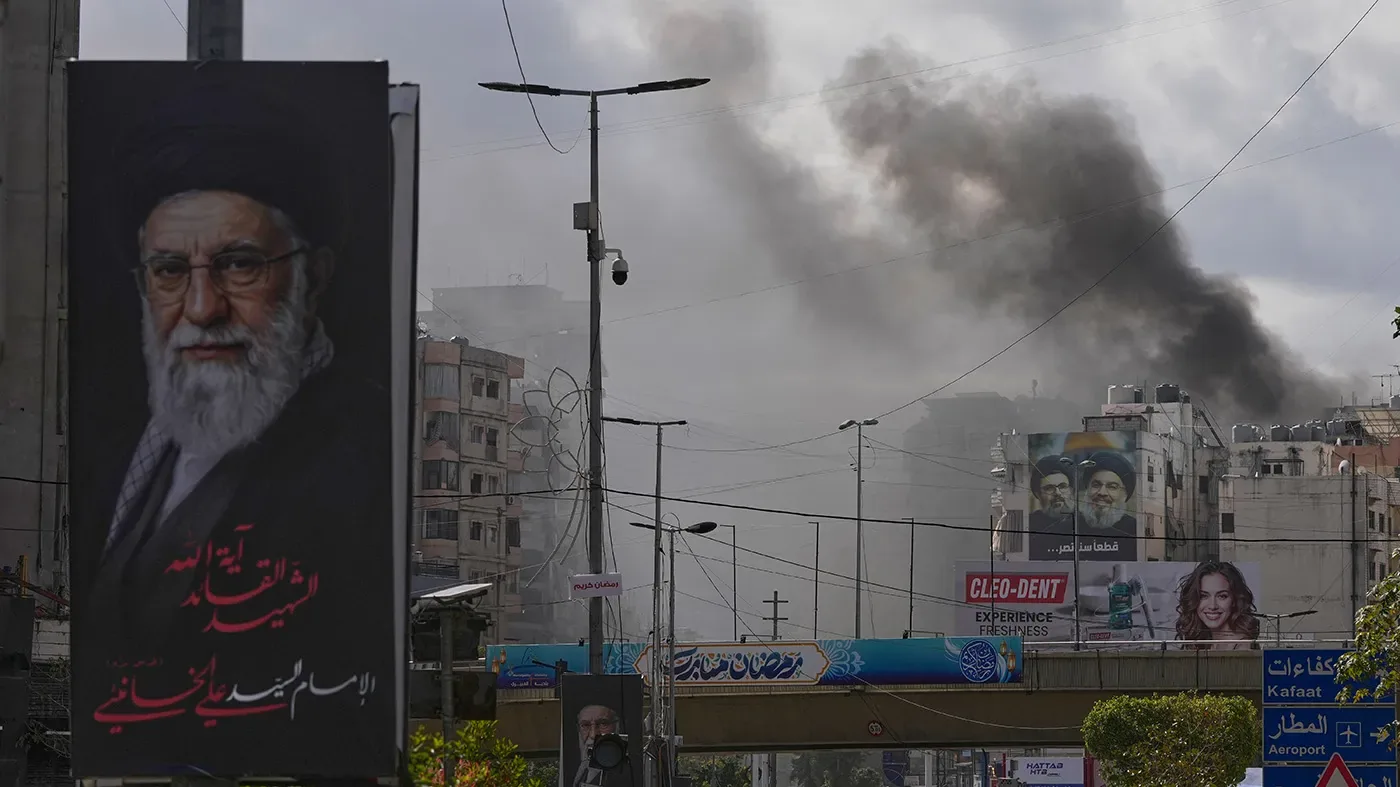
The conflict has led to the closure of the Strait of Hormuz, a key waterway through which approximately 20% of the world's oil and gas is exported. Iran's closure of this channel has caused oil and gas prices to skyrocket. The U.S. national average for gas reached $4.07 on Wednesday, according to AAA. Two-thirds of respondents believe that gas prices will continue to rise due to the conflict.

The disruption of energy supply through the Strait of Hormuz has had a direct impact on the global economy, affecting consumers' wallets and raising concerns about the stability of the energy market. The survey reflects the growing public awareness of the connection between foreign policy and domestic economic costs.

The survey results also indicate that 60% of respondents disapprove of the United States' military operation in Iran, while 35% approve. This widespread disapproval may be related to the perception that the conflict is not achieving the desired goals or to concern about the potential negative long-term consequences.

Public opinion appears to be divided on the effectiveness and justification of military intervention in Iran. The survey suggests that there is a need for a broader debate about the U.S. strategy in the region and about alternatives to military action.

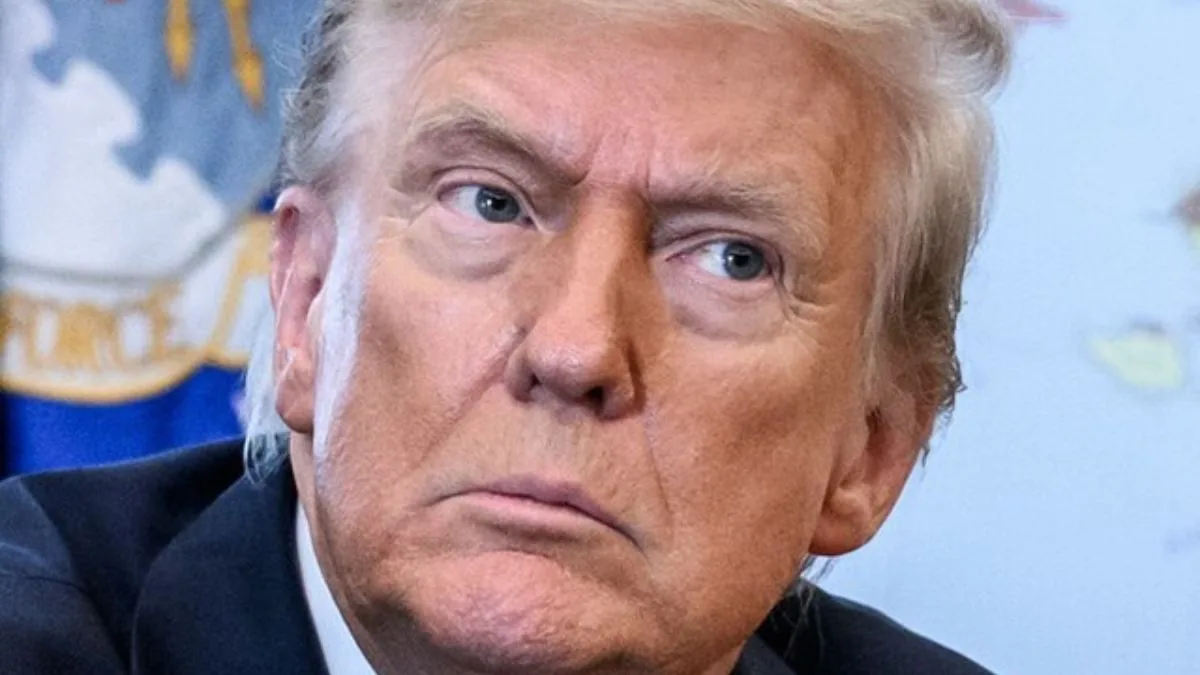
President Trump's approval has experienced a steady decline since the United States and Israel launched joint strikes against Iran on February 28. The Decision Desk HQ (DDHQ) polling average found that the president's approval reached 39.7% on Wednesday, falling below 40% for the first time during his second term. His disapproval rating stands at 56.4%.

The decline in the president's popularity could be a sign that public opinion is reevaluating its support for the Trump administration's foreign policy. The survey suggests that there is growing concern about the direction of the country and about the government's ability to handle the situation in Iran effectively.

Ahead of his address to the nation, Trump stated on Truth Social that Tehran requested a ceasefire from the United States. He wrote that the United States would consider it "when Hormuz Strait is open, free, and clear." The president added: "Until then, we are blasting Iran into oblivion or, as they say, back to the Stone Ages!!!"

This statement reflects a tough stance by the Trump administration, conditioning any possible ceasefire agreement on the reopening of the Strait of Hormuz. The president's rhetoric suggests that the United States is willing to maintain pressure on Iran until its demands are met.

The Trump administration has claimed that talks with Iranian negotiators have gone well, despite regime officials denying that talks are taking place beyond the submission of demands for a potential ceasefire. Iran offered a counterproposal last week after rejecting the U.S.'s 15-point peace plan.

The discrepancy between the statements of both parties suggests that negotiations are complex and that there are significant obstacles to reaching an agreement. The lack of transparency in the negotiation process could be fueling uncertainty and distrust between the parties.

Pakistan, which has so far served as a mediator between the nations, said on Sunday that it will host talks aimed at ending the conflict. It is not clear if the United States and Iran will participate in those talks. Pakistan's initiative represents an effort to find a diplomatic solution to the conflict and avoid further escalation.

The involvement of an external mediator could help facilitate dialogue between the parties and overcome the differences that prevent an agreement. However, the success of these talks will depend on the willingness of the United States and Iran to compromise and find common ground.
Editorial Note

This content has been synthesized and optimized to ensure clarity and neutrality. Based on: The Hill