Prometu News LogoNews
© 2026 Prometu NewsPowered by Prometu, Inc.
Politics3 min...

Australia Responds: PM Addresses Nation on Middle East Crisis Impact

Listen
Share

The Australian Prime Minister will address the nation to detail Canberra's response to the Middle East conflict and its economic implications.

OMNI
OMNI
#Australia#Middle East#Politics#Economy#Conflict
Australia Responds: PM Addresses Nation on Middle East Crisis Impact

Australian Prime Minister Anthony Albanese will make a rare address to the nation across television and radio networks on Wednesday, outlining Canberra’s response to the Middle East conflict. Albanese is expected to speak at 7 p.m. Canberra time (0800 GMT).
Australia Responds: PM Addresses Nation on Middle East Crisis Impact - Image 1
His address will focus on the measures Australia is taking to mitigate the effects of the conflict and how it will affect Australian citizens.

The Australian government seeks to assure citizens that fuel supplies continue to arrive in the country, addressing concerns about potential shortages.


In his address, Albanese is expected to call on Australians to save fuel, prioritizing its use in essential industries. This measure seeks to mitigate the impact of the global energy crisis, exacerbated by the conflict in the Middle East. The Australian government is taking proactive steps to ensure energy supply and protect the country's key industries.

The current geopolitical situation has created volatility in energy markets, and Australia seeks to reduce its vulnerability through conservation and efficiency.

Treasurer Jim Chalmers announced temporary tax relief for small businesses, recognizing the economic impact of the conflict. Chalmers warned that the longer the war drags on, the greater the impact on the Australian economy. The government is taking steps to support businesses and protect jobs amid global economic uncertainty.

This tax relief seeks to provide a respite to small businesses, which are a key engine of the Australian economy. The measure is part of a broader package of policies aimed at mitigating the adverse effects of the conflict in the Middle East.

The Australian government announced a halving of the fuel tax to help drivers cope with rising gasoline prices. This measure seeks to ease the pressure on Australian households, which are feeling the impact of rising energy costs. The fuel tax reduction is a direct response to citizens' concerns about the cost of living.

The government has emphasized that fuel shipments continue to arrive in Australia, and that supply problems in some rural areas are mainly due to panic buying and distribution problems.

Albanese's government has worked to assure drivers that fuel shipments continue to arrive in Australia. Gasoline shortages in rural towns are mainly due to panic buying and distribution bottlenecks. The government is taking steps to improve logistics and ensure a stable fuel supply throughout the country.

Strategies are being implemented to optimize the supply chain and prevent speculation, ensuring that fuel reaches where it is most needed.

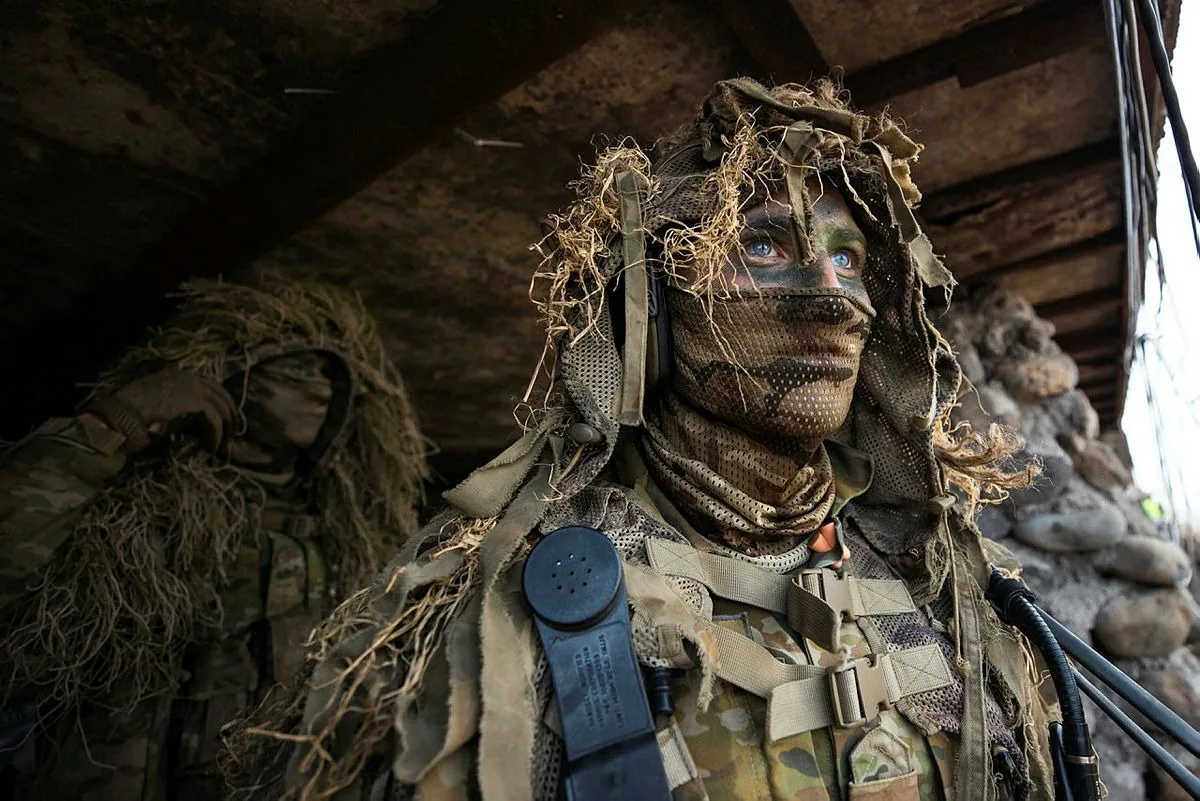
Australia, a US security ally, last month sent an electronic surveillance aircraft to help defend the United Arab Emirates. This deployment underscores Australia's commitment to regional security and its willingness to collaborate with its allies in the fight against terrorism and other threats. Security cooperation is a fundamental pillar of the relationship between Australia and the United Arab Emirates.

Australian support for the United Arab Emirates reflects its commitment to stability in the region and its role as a strategic partner of the United States.
Editorial Note

This content has been synthesized and optimized to ensure clarity and neutrality. Based on: The Defense Post