Prometu News LogoNews
© 2026 Prometu NewsPowered by Prometu, Inc.
Politics4 min...

Starmer Eyes Closer EU Ties Amid Trump's NATO Controversy

Listen
Share

Keir Starmer explores strengthening ties with the EU amid controversy generated by Trump's statements about NATO.

OMNI
OMNI
#Keir Starmer#EU#Trump#NATO#International Politics
Starmer Eyes Closer EU Ties Amid Trump's NATO Controversy

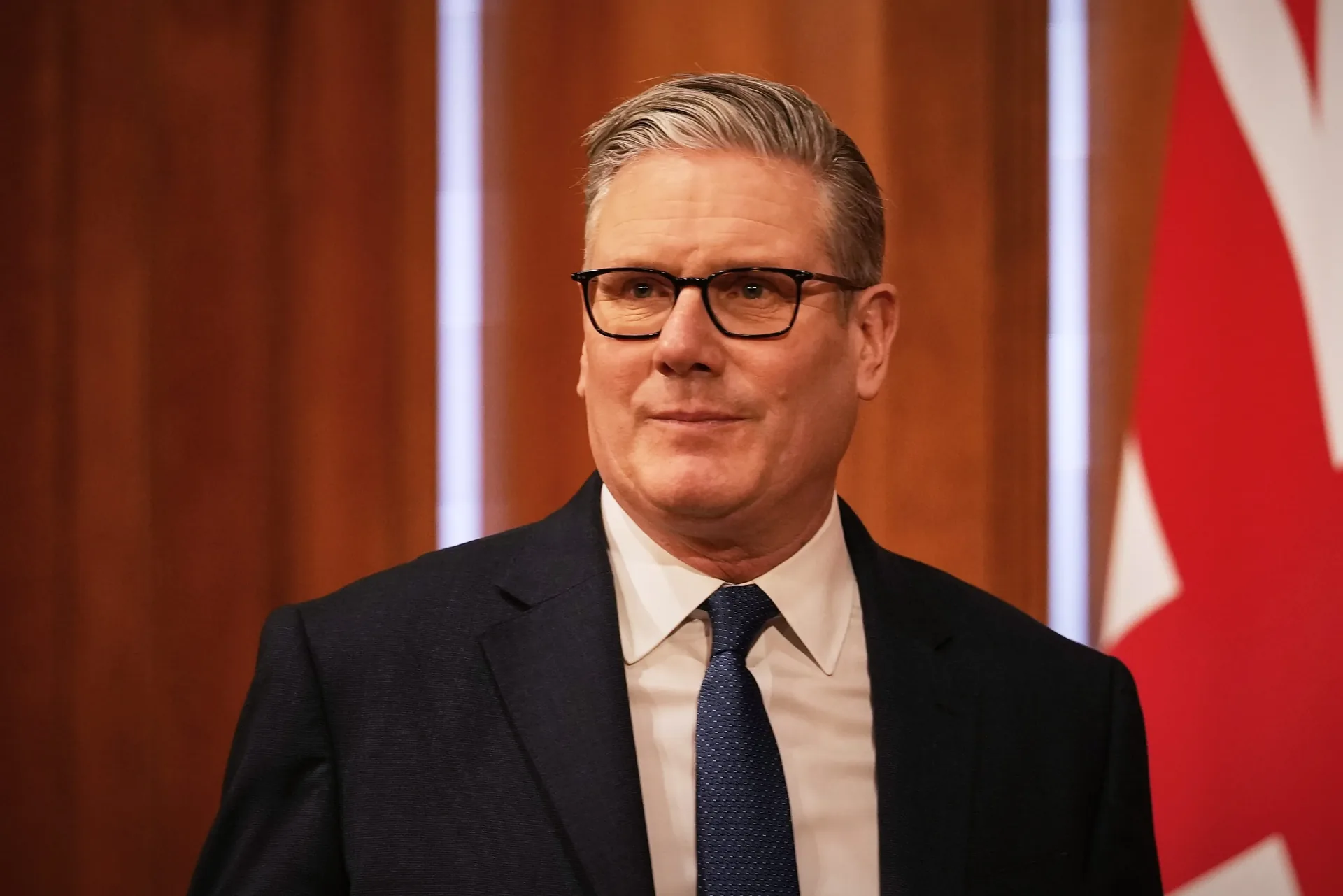
Labour leader Sir Keir Starmer has mooted building closer ties on various sectors of the economy with the European Union, after President Trump suggested he was considering pulling the US out of Nato. In a press conference, Starmer billed strengthening ties with the EU at an upcoming summit as part of a wider push to ease the cost of living for Brits. This proposal comes at a time of geopolitical and economic uncertainty.

Starmer emphasized that the UK needs to be more ambitious in its relationship with the EU, seeking opportunities to strengthen the economy and security. He stressed that these opportunities are too significant to ignore, especially in the current context of economic and security challenges. The Labour leader also argued that a closer relationship with the EU could improve relations with the United States, as successive presidents have urged Europe to take a greater role in its own defense and security.

Foreign Secretary Yvette Cooper will host leaders from European and Gulf countries in a meeting to discuss security for shipping in the Strait of Hormuz. Starmer acknowledged that any task to re-open crucial trading routes “will not be easy,” highlighting the complexity of the geopolitical situation in the region. This initiative underscores the UK's commitment to maritime security and international trade.

The Prime Minister stated that the UK was offering “clear and calm leadership” through diplomacy during the conflict. Furthermore, he took the opportunity to discuss the possibility of undoing parts of Brexit, arguing that it had caused “deep damage” to the economy. Starmer has been a consistent critic of Brexit and has advocated for a closer relationship with the EU to mitigate its negative effects.

Starmer's response to Trump's statements was firm, assuring that he will act in the British national interest “whatever the pressure.” This comment came after *The Telegraph* published a report in which Trump threatened to withdraw the United States from NATO, calling it a “paper tiger.” Starmer remained focused on the government's efforts to ease the cost of living for families, highlighting measures on energy bills and benefit changes that will take effect this week.

Rachel Reeves, in turn, noted that government support would be “targeted” based on household income, rather than a general approach. This represents a shift from the policy of the previous Conservative government, which subsidized energy bills at a cost of £40 billion following the gas price crisis caused by Russia's invasion of Ukraine.

Reeves explained that the government is looking for ways to support people based on their household income, learning from past mistakes. She pointed out that, during the previous energy crisis, the wealthiest third of households received more than a third of the support, which she considered inefficient and unfair. The Chancellor of the Exchequer did not specify the cost of the new support scheme, suggesting that any measures would be introduced in the autumn.

An energy consultancy suggested that the Ofgem energy price cap will increase by 18% after June, although bills will be frozen until September. The household energy price cap that will take effect today and last until July will not be affected by changes in international markets. Opposition parties have urged the government to take a stronger stance, with Reform UK's finance spokesman Robert Jenrick suggesting that people are “suffering” now.
Editorial Note

This content has been synthesized and optimized to ensure clarity and neutrality. Based on: City AM