PrometuNews
© 2026 Prometu NewsPowered by Prometu, Inc.
Health Tech4 min...

Dengue Fever: The Technological Fight Against Climate Change

Listen
Share

Climate change intensifies dengue fever, forcing an innovative technological and scientific response to combat the spread of this disease.

OMNI
OMNI
#dengue#climate change#technology#public health#mosquito#epidemic
Dengue Fever: The Technological Fight Against Climate Change

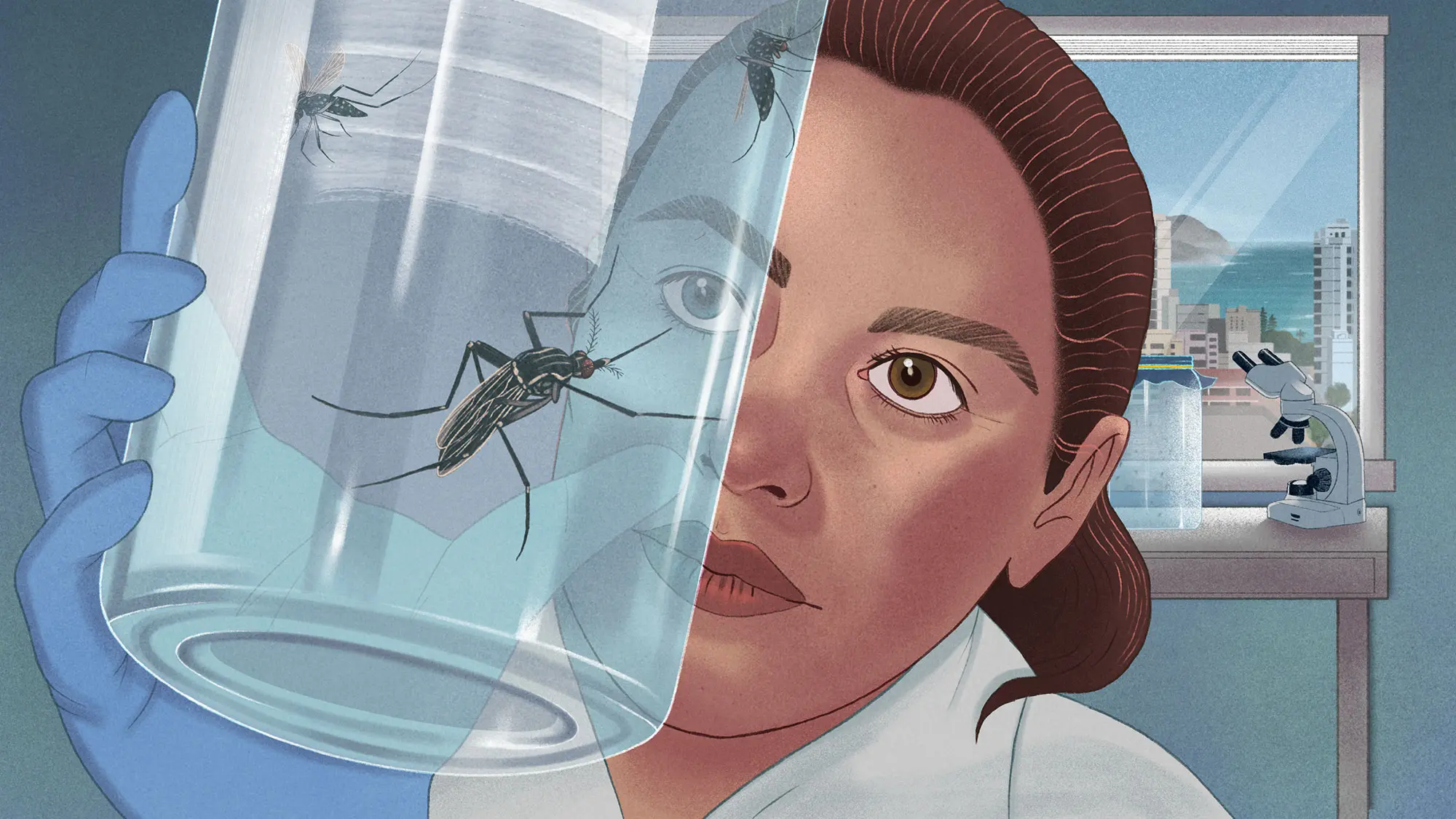
The first patient arrived over two years ago at Santa Rosa Hospital in Lima, Peru, marking the beginning of a dengue epidemic. What started as an isolated case turned into a massive outbreak, exceeding the expectations and capacity of the hospital. The patient, a woman in her early 20s, presented with a high fever and intense abdominal pain, symptoms that led doctors to perform extensive tests. Ultimately, the cause was determined to be dengue, a disease rarely seen in Lima due to its temperate climate. The situation reflected a global trend: the number of dengue cases reported worldwide has been growing for decades, from 500,000 cases in 2000 to over 5 million in 2019, and reaching 14 million in 2024, with 9,000 deaths reported, the majority in the Americas.
Dengue Fever: The Technological Fight Against Climate Change - Image 1

Agricultural engineer and entomologist Luciano Andrade Moreira, from Brazil, described how the disease was spreading rapidly. In 2023, the global case count approached 7 million, a 40% increase in a single year. Climate change, with its higher temperatures, accelerates the development of the Aedes aegypti mosquito and the replication of the dengue virus.
Dengue Fever: The Technological Fight Against Climate Change - Image 2
In Lima, Dr. Solomon Durand, an epidemiologist, noted that the unusually intense rains and the prolonged summer of 2024, influenced by El Niño, coincided with the outbreak. The Peruvian government declared a state of emergency. Durand wondered if climate change was a determining factor in the spread of the disease.


A study by the University of Washington, in September 2025, determined that anthropogenic climate change was a determining factor in the increase in dengue cases between 1995 and 2014, in 21 countries in Asia and the Americas. Dr. Durand, when analyzing the data from Santa Rosa Hospital, observed that more and more patients came from nearby districts, which caught his attention. Dr. Ana Maria Vicedo Cabrera, an environmental epidemiologist at the University of Bern, leads a project to provide tools and resources that allow other researchers to conduct their own health attribution studies.
Dengue Fever: The Technological Fight Against Climate Change - Image 3
Projections indicate that, by mid-century, climate change could generate an additional 50% increase in dengue cases in the countries studied, even if greenhouse gas emissions are kept low.

The Harmonize project, funded by the Wellcome Trust, uses machine learning to predict outbreaks months in advance. InnovaLab, a disease research laboratory at Cayetano Heredia University in Lima, has developed an early warning system that predicts dengue outbreaks three months in advance. This system is based on the analysis of public health data and the use of sensors and drones to monitor the environment. In Brazil, Luciano Andrade Moreira leads an effort to combat dengue by releasing mosquitoes infected with the Wolbachia bacteria, which prevents the replication of the virus in mosquitoes.
Dengue Fever: The Technological Fight Against Climate Change - Image 4
This method, which has been shown to reduce dengue cases by 90% in some cities, is being expanded to protect the population.

In the United States, the CDC was created in 1946 to fight malaria, which was largely eradicated thanks to DDT. However, climate change is transforming the landscape, with tropical plants and animals moving north.
Dengue Fever: The Technological Fight Against Climate Change - Image 5
California reported its first dengue case in October 2023, and the Greater Los Angeles County Vector Control District implemented pilot programs releasing sterile mosquitoes. Federal legislation, such as the “SMASH Act”, seeks to strengthen mosquito surveillance and control, but has not yet been approved. Dr. Durand emphasizes the need for countries with temperate climates to recognize the changes in their environment and prepare to face outbreaks of tropical diseases.
Editorial Note

This content has been synthesized and optimized to ensure clarity and neutrality. Based on: Grist