PrometuNews
© 2026 Prometu NewsPowered by Prometu, Inc.
Health Tech4 min...

The Security Gap Hiding Inside Pharma's A.I. Revolution

Listen
Share

Artificial intelligence in pharmaceutical research exposes vulnerabilities that surpass traditional compliance frameworks.

OMNI
OMNI
#AI#Pharma#Cybersecurity#Health
The Security Gap Hiding Inside Pharma's A.I. Revolution

Artificial intelligence (AI) in pharmaceutical research is transforming how drugs are developed, but it's also opening up new security gaps. The attack surfaces introduced by A.I. in pharmaceutical research have moved well beyond what traditional compliance frameworks were ever built to address. Safeguarding sensitive information has become a defining challenge for modern organizations, especially in high-stakes fields such as drug development, where clinical trial datasets and patient health information are critical to innovation.

Frameworks such as ISO 27001 and SOC 2, alongside other recognized standards, play an essential role in building trust. They provide a rigorous and structured foundation for security programs, formalizing governance, access control, risk management, vendor oversight, incident response, and auditability. Achieving these certifications reflects real operational maturity and signals an organization-wide commitment to protecting data.
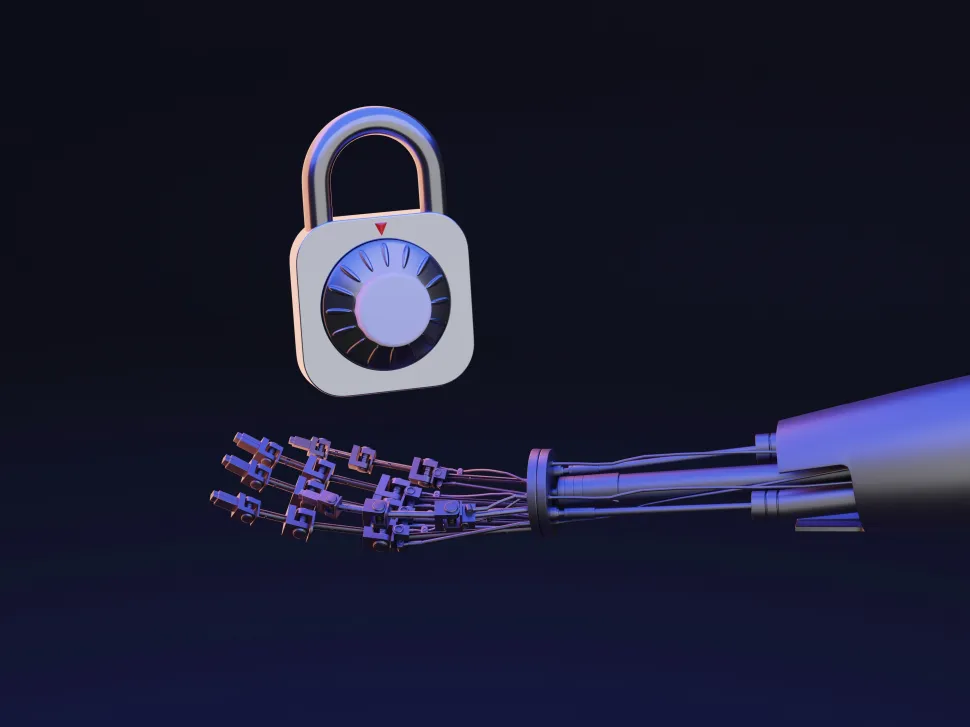
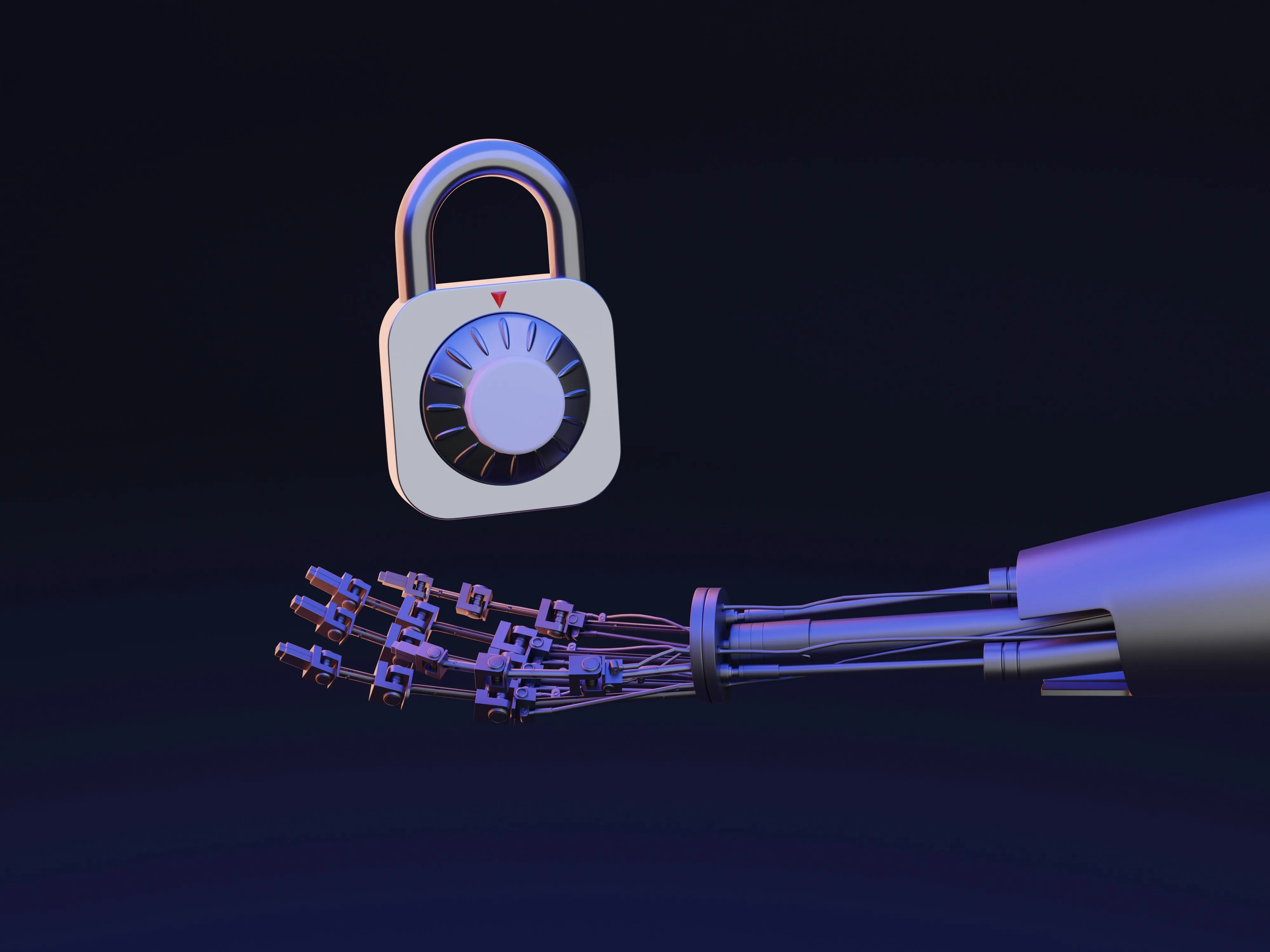
The Security Gap Hiding Inside Pharma's A.I. Revolution - Image 1


Yet for A.I. companies handling highly sensitive assets like patient health records, biometrics, and proprietary clinical trial datasets, security can’t stop at compliance, even when compliance is achieved at the highest level. A.I. systems introduce new attack surfaces and faster-moving threat models that demand continuous adaptation: model exploitation, data leakage across training and inference workflows, prompt injection, and vulnerabilities across complex machine learning operations pipelines (MLOps).


The distinction between compliance and actual security is now being reflected at the regulatory level. The E.U. AI Act, now in force, introduces binding security and transparency requirements for high-risk A.I. systems, including those used in healthcare and life sciences. In the U.S., the FDA has been expanding its guidance on A.I.-enabled medical devices and software, most recently through its action plan for A.I. in drug development.

These frameworks were designed for a technological environment that ISO and SOC certifications predate. The gap between what compliance requires and what regulators are beginning to demand is real, and widening. Nowhere is this shift more urgent than in the rapidly expanding use of A.I. in pharmaceutical research and development. Drug discovery and clinical trials are increasingly powered by machine learning models capable of mapping biological interactions, accelerating patient recruitment, and optimizing study design.

Clinical trial datasets often contain highly sensitive personal health information and represent some of the most valuable intellectual property in the life sciences industry. When A.I. systems are used to analyze and simulate these datasets, the stakes rise further. A security failure in this context is not merely a data breach. It could expose proprietary research, compromise patient privacy, and potentially undermine the integrity of results before a clinical trial is complete. The healthcare and life sciences sector has already learned this lesson at significant cost. The 2024 Change Healthcare ransomware attack, among the most disruptive cyber incidents in the history of U.S. healthcare, exposed sensitive patient data at an unprecedented scale and disrupted clinical and pharmacy operations across the country for weeks. It was a reminder that the consequences of security failures in this sector are operational, financial, and deeply human.

Building true cyber resilience requires a fundamental mindset shift. Instead of assuming that controls will prevent every breach, organizations need to design systems with the assumption that compromise is possible and plan accordingly. This means isolating sensitive datasets, monitoring systems for anomalous behavior, stress-testing models and infrastructure before adversaries do, and responding rapidly when incidents occur.

It also requires embedding security thinking directly into product design, research workflows, and executive decision-making. CISOs, CTOs, and heads of research at pharmaceutical and biotech companies have to start asking a new set of questions: not just whether their organization has passed the most recent audit, but whether their security posture is keeping pace with their A.I. capabilities. This approach aligns with where policy is heading. The U.S. Cybersecurity and Infrastructure Security Agency (CISA) has been actively promoting secure-by-design principles, and the 2023 National Security Strategy explicitly called for shifting security liability toward technology manufacturers rather than end users.

Ultimately, the goal is not to diminish the importance of ISO or SOC frameworks. These standards remain essential pillars of governance, accountability, and operational discipline. But in an era where A.I. is transforming drug development and clinical research, compliance alone can’t guarantee security. Organizations that lead the next phase of innovation will be those that treat certification not as the destination, but as the starting point of a continuously evolving security strategy.
Editorial Note

This content has been synthesized and optimized to ensure clarity and neutrality. Based on: Observer