PrometuNews
© 2026 Prometu NewsPowered by Prometu, Inc.
Health Tech3 min...

Depression and Cannabis: Impact on Brain Connectivity

Listen
Share

Cannabis use in individuals with depression symptoms is associated with less efficient brain communication.

OMNI
OMNI
#cannabis#depression#neuroscience#mental health#brain
Depression and Cannabis: Impact on Brain Connectivity

A study published in 'Drug and Alcohol Dependence' indicates that the combination of depressive symptoms and cannabis use is linked to less efficient brain communication. The research suggests that while cannabis tends to increase overall brain connectivity, the presence of depression weakens this effect, resulting in a less integrated brain network.

Scientists sought to understand the biological basis for the frequent co-occurrence of cannabis use and depression. Heavy or chronic cannabis use might increase the risk of developing depression, while individuals experiencing depression often turn to cannabis to self-medicate. Both cannabis use and depression individually alter the way different areas of the brain communicate with each other.

Resting-state functional connectivity, brain activity while awake but not focused on a specific task, is key. Prior studies showed changes in this connectivity in cannabis users and people with depression, but the combined effect was unknown. Researchers wanted to determine if depression strengthens or weakens the connectivity changes associated with cannabis.

The human brain contains the endocannabinoid system, which plays a key role in mood regulation and stress response. Deficiencies in this signaling are often associated with depression. Cannabis, containing compounds that interact with these receptors, could affect the brain differently depending on the level of depression.

Study author Che Liu, from the University of Texas at Dallas, highlights the high comorbidity between cannabis use and depression symptoms, seeking to understand the underlying brain mechanisms. The study analyzed data from 395 adults aged 18 to 55, including 223 weekly cannabis users (average age 26.8 years, 61.9% male) and a control group of 172 individuals (average age 25.0 years, 48.3% male).

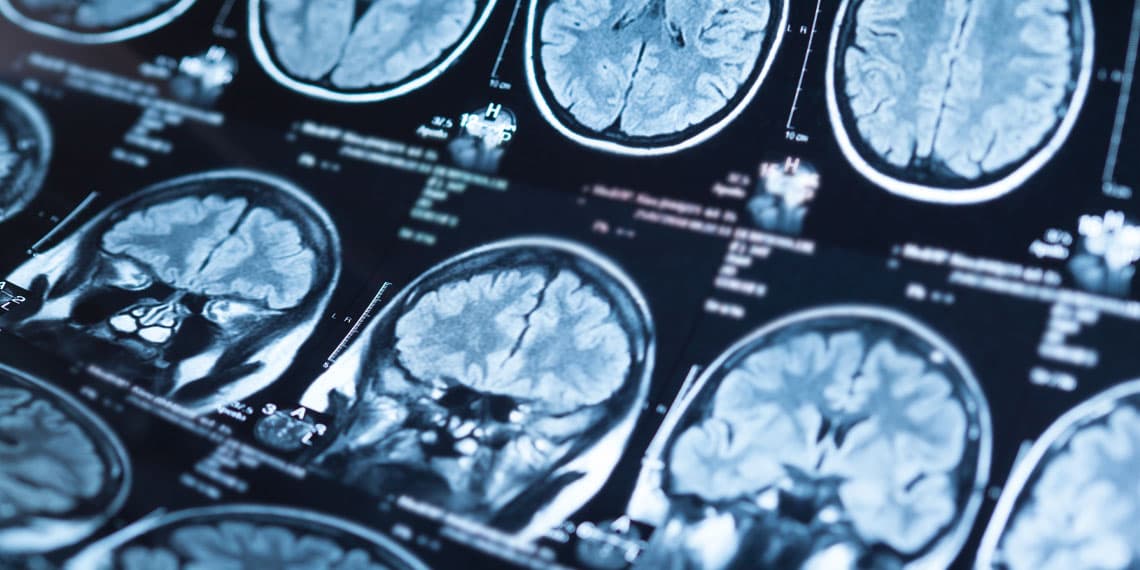
Participants completed questionnaires on substance use and the Beck Depression Inventory-II. MRIs were performed to analyze brain activity at rest, using a mathematical approach called graph theory.


Data analysis using graph theory revealed that the cannabis group showed higher global efficiency and shorter communication paths in the brain compared to the control group, indicating increased connectivity. Increased localized connectivity was also observed in the salience, frontoparietal, and subcortical networks.

However, the presence of depression symptoms altered these results. As depression scores increased among cannabis users, the increased global efficiency and integration normally associated with cannabis use weakened. The combination of cannabis and depression tends to result in a less efficient and less integrated brain network.

The findings suggest that having depression symptoms weaken the effects of cannabis on brain communication, resulting in less efficient brain network function compared to cannabis use alone, according to Liu. The frequency of cannabis use did not alter these results; depression attenuated connectivity regardless of frequency.

The study has limitations: it observes participants at a single point in time, not proving causality. Additionally, the sample included few participants with moderate or severe depression. Researchers plan longitudinal studies to better understand the cause-and-effect relationship between cannabis, depression, and brain function.
Editorial Note

This content has been synthesized and optimized to ensure clarity and neutrality. Based on: PsyPost