A recent Gallup poll, released on Thursday, indicates that 32 percent of respondents consider economic issues to be the most important problem facing the United States. Of this percentage, 15 percent specifically identify the "economy in general" as the main concern. The study reflects the persistent economic anxiety in the country, even amid geopolitical tensions and international conflicts.
The poll, conducted between March 2 and 17, involved 1,000 people and has a margin of error of 4 percentage points. This provides a representative view of the concerns of the American population at a crucial time.
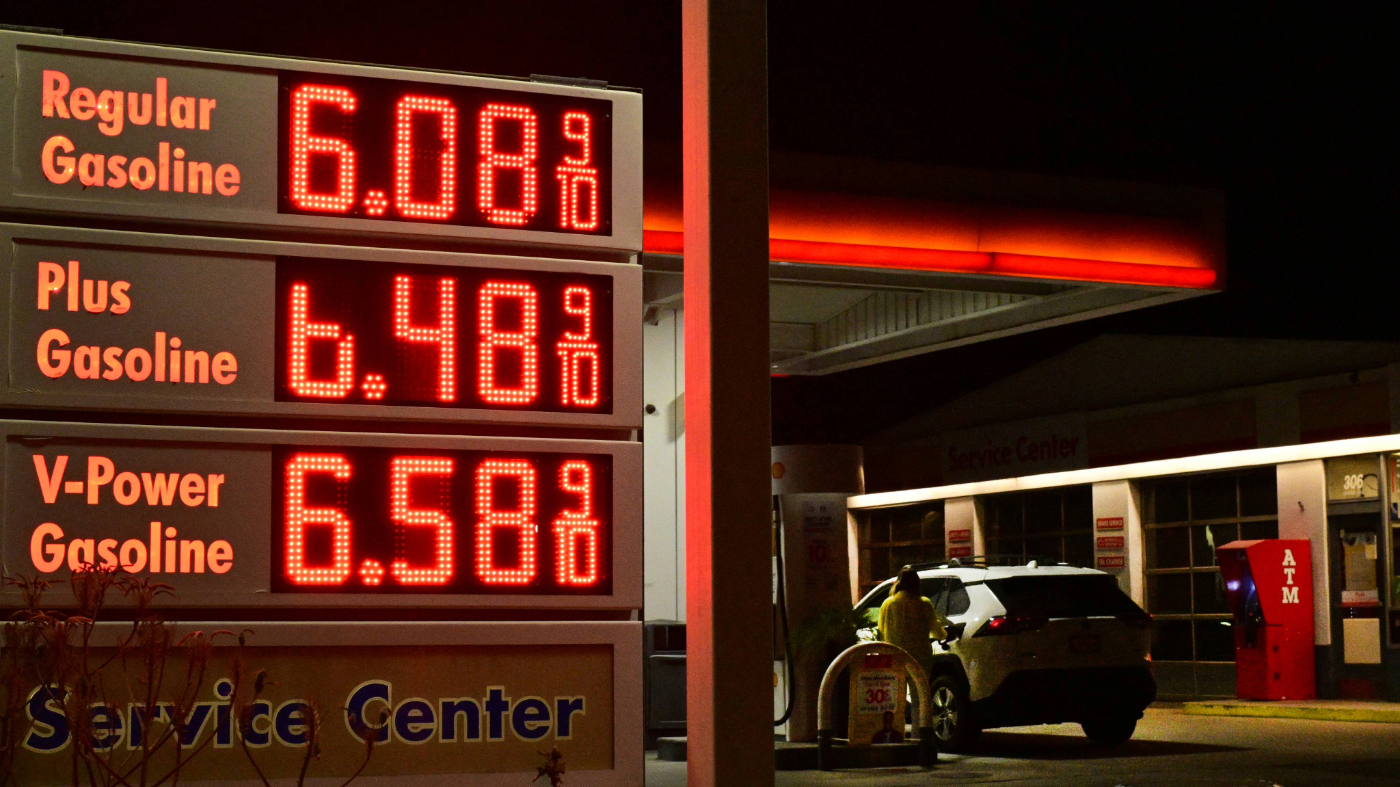
Despite geopolitical tensions and rising oil prices, only 2 percent of respondents cited "fuel/oil prices" as the most important problem. This figure contrasts with the previous month, when the percentage was 0%, and reflects a similar trend observed in polls from January, December, November, October, and September. This pattern suggests that, although fuel prices are a factor, they are not the main concern in the minds of Americans.
The average cost of a gallon of regular gas in the United States is approximately $3.98, an increase of about a dollar compared to the previous month, according to the data collected.
The conflict between the United States and Iran has generated uncertainty in the energy market. Iran has restricted maritime traffic in the Strait of Hormuz, a crucial route for the world's oil supply. This restriction has contributed to the increase in fuel prices in the United States and has raised concerns about the stability of global energy supply.
In light of this situation, Secretary of State Marco Rubio expressed confidence in the reopening of negotiations with Tehran. Rubio informed reporters that progress has been made since the United States sent a draft peace proposal to the Iranians.
Secretary Rubio mentioned that progress has been made in the exchange of messages, although the process is fluid. "There's a growing amount of energy that's been flowing through the straits. Not as much as should be flowing, but some of it has picked up," Rubio said. These statements suggest an attempt at de-escalation and the search for a diplomatic solution.
The ongoing conflict and ongoing negotiations remain key factors impacting the global energy market.