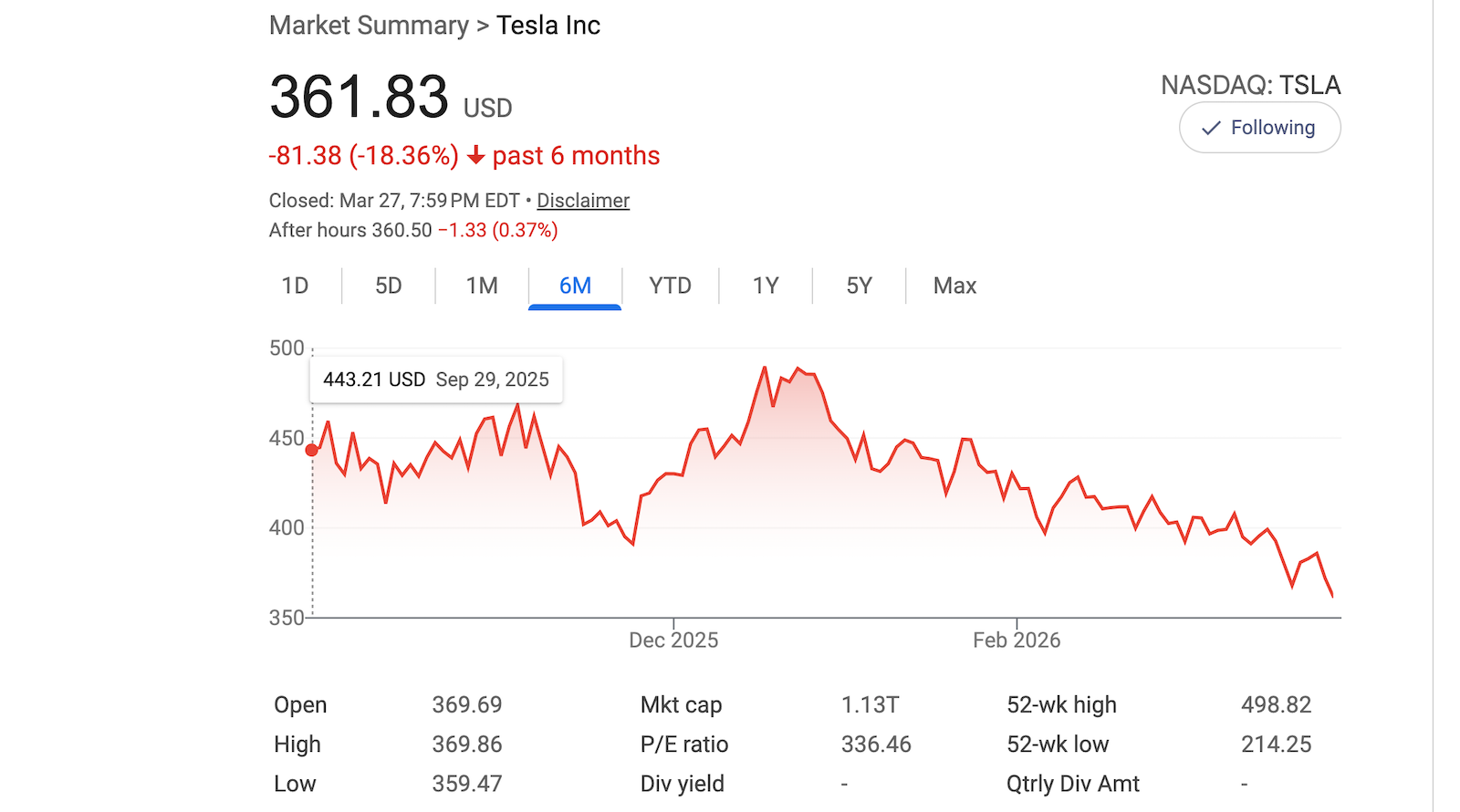
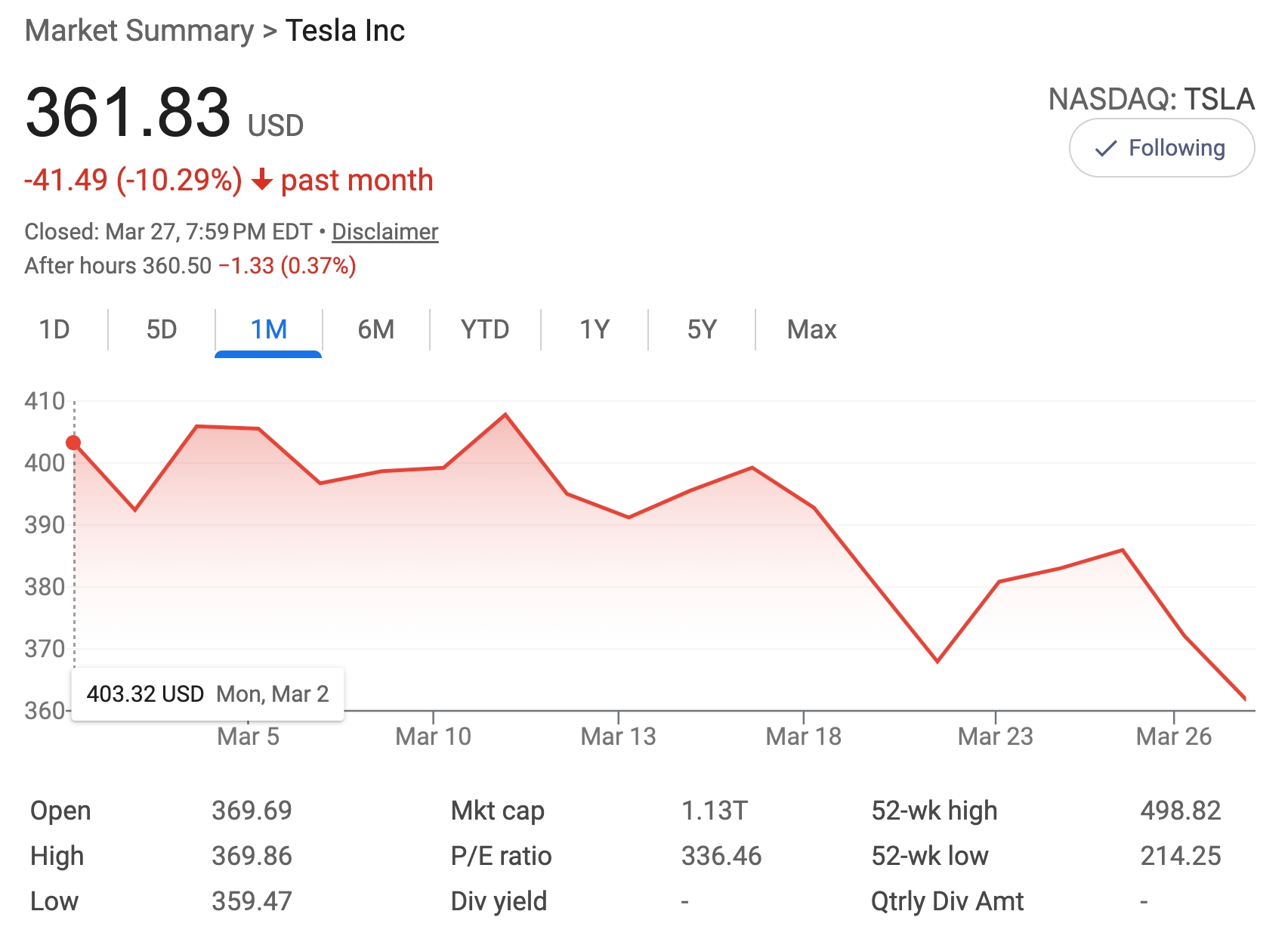
In the past six months, Tesla's stock has experienced a drop of nearly 20%, a trend that has raised alarms among investors and analysts. This decrease suggests a loss of confidence in the company's ability to meet its ambitious goals, especially in the field of robotaxis. Investors seem to be reevaluating the company's value, considering both the delays in the development of autonomous driving technology and the fluctuations in vehicle sales.

The electric vehicle market has grown, but Tesla's sales have declined, raising questions about the company's strategy. The decrease in vehicle sales, combined with the constant delays in the launch of robotaxis, has led investors to question the viability of Tesla's expansion plans. This situation contrasts with the initial optimism and the promises of Elon Musk, who had set ambitious goals for the deployment of robotaxis that have not been met.
Tesla's current situation contrasts with the landscape of other companies in the sector, such as Waymo and Pony.ai, which are advancing in the development and deployment of their own robotaxis. Competition in the autonomous vehicle market is intensifying, and Tesla faces the challenge of maintaining its leadership position in an increasingly competitive environment.