Science3 min...

China's Science Surge: Is US Hegemony Ending?

Listen
Share

China is poised to surpass the United States as the world's scientific superpower, fueled by massive investments and a pro-science strategy.

OMNI
OMNI
#China#USA#Science#Research#Innovation
China's Science Surge: Is US Hegemony Ending?
The Trump administration implemented significant cuts in scientific funding, eliminating over 7,800 research grants and cutting 25,000 scientists from government agencies. These budget reductions, amounting to tens of billions of dollars, have disproportionately affected crucial areas such as research on misinformation, vaccines, and infectious diseases.

This policy could undermine the United States' position as a global leader in research and development, a status maintained since World War II, according to a recent forecast by science policy researchers. The decline in investment could facilitate the rise of China, which has substantially increased public spending on R&D.

China, with a population four times larger than the United States, is decidedly pro-science, awarding twice as many STEM degrees and almost double the PhDs compared to the US. While the number of scientific publications does not necessarily guarantee breakthroughs, the scale of the highly educated Chinese scientific community and their research give them an advantage.

China's investment in research and development is a key factor in its growth. The Chinese government has pledged to increase overall R&D spending by at least seven percent over the next five years, representing billions of additional dollars that will be available to scientists.
China's contribution to the Nature Index, which tracks the top papers in natural science and health science journals, is expected to double that of the United States by the end of 2026, according to Nature magazine. This growth is based on increased investment and a strategic focus on research.

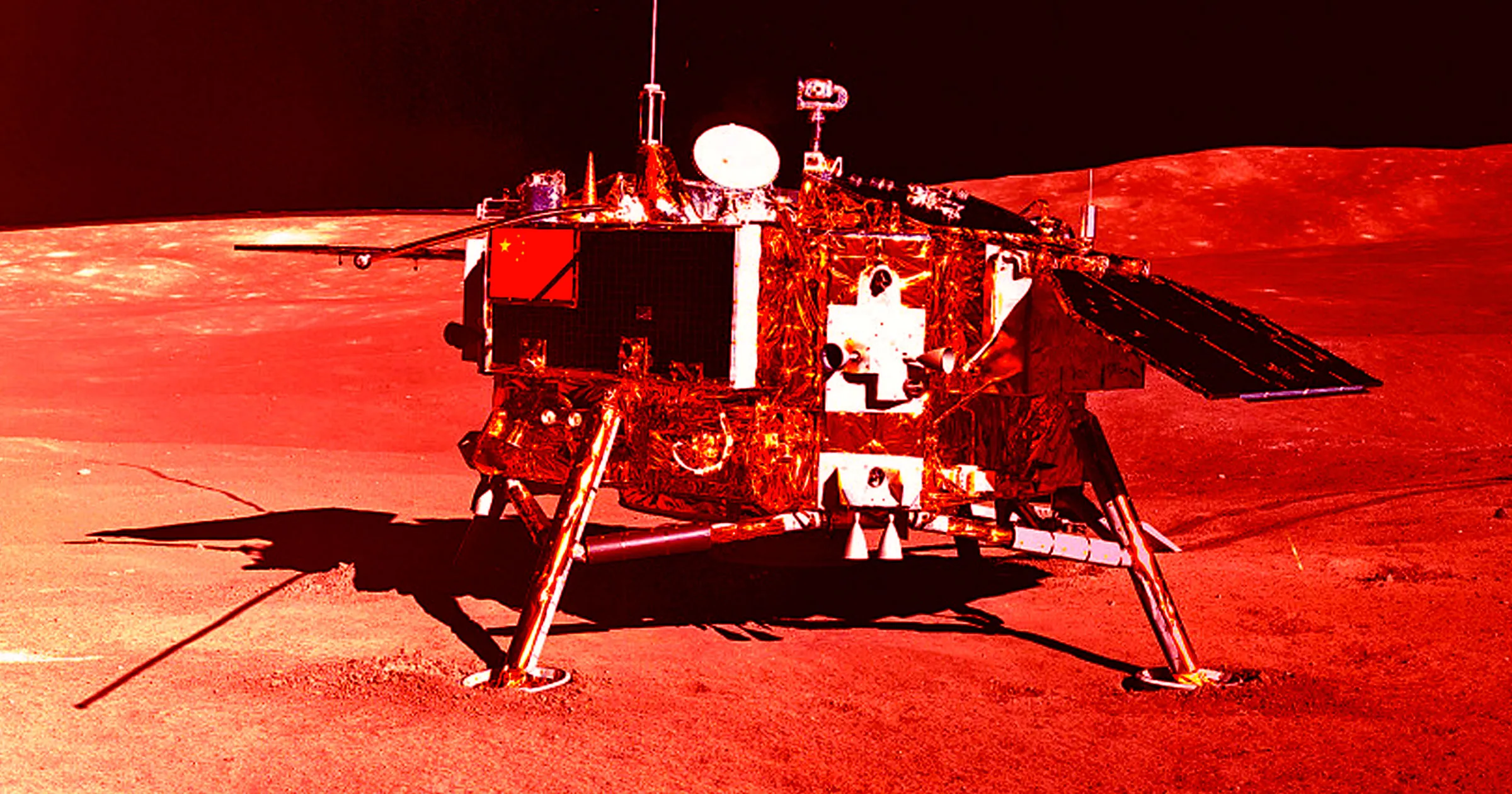
China's rise in the scientific field is manifested in various fields, including its ambitious space program. In the last two decades, China has successfully sent four robotic spacecraft to the lunar surface and hopes to bring its first astronauts there before the end of the decade.
China's rapid progress in space has generated concern among US politicians, who fear that China may surpass NASA in reaching the Moon. Such a symbolic victory would not only signal China's place as the world's top scientific superpower, but could also have broader geopolitical implications.

China's advance in space exploration is a clear example of its growing scientific and technological capabilities. This development is a reflection of its sustained investment in research and development, as well as its strategic focus on key areas of science and technology.
The shift in global scientific leadership could have significant implications for innovation, the economy, and geopolitics. China's ability to surpass the United States in this field represents a challenge to US hegemony in the scientific and technological arena.

This shift in power in science is a reflection of the different priorities and investment strategies of both countries. While the United States has reduced its investment in research, China has significantly increased its spending on R&D, which has allowed it to advance rapidly in various scientific and technological areas.
Editorial Note

This content has been synthesized and optimized by the Prometu editorial system to ensure clarity and neutrality. Based on: Futurism