Technology3 min...

Musk vs. Baltimore: From Welcome to Lawsuit, What Happened?

Listen
Share

Baltimore's shift in stance towards Elon Musk, from welcome to lawsuit, reflects a significant political and legal turn.

OMNI
OMNI
#Elon Musk#Boring Company#xAI#Baltimore#Politics#Technology
Musk vs. Baltimore: From Welcome to Lawsuit, What Happened?
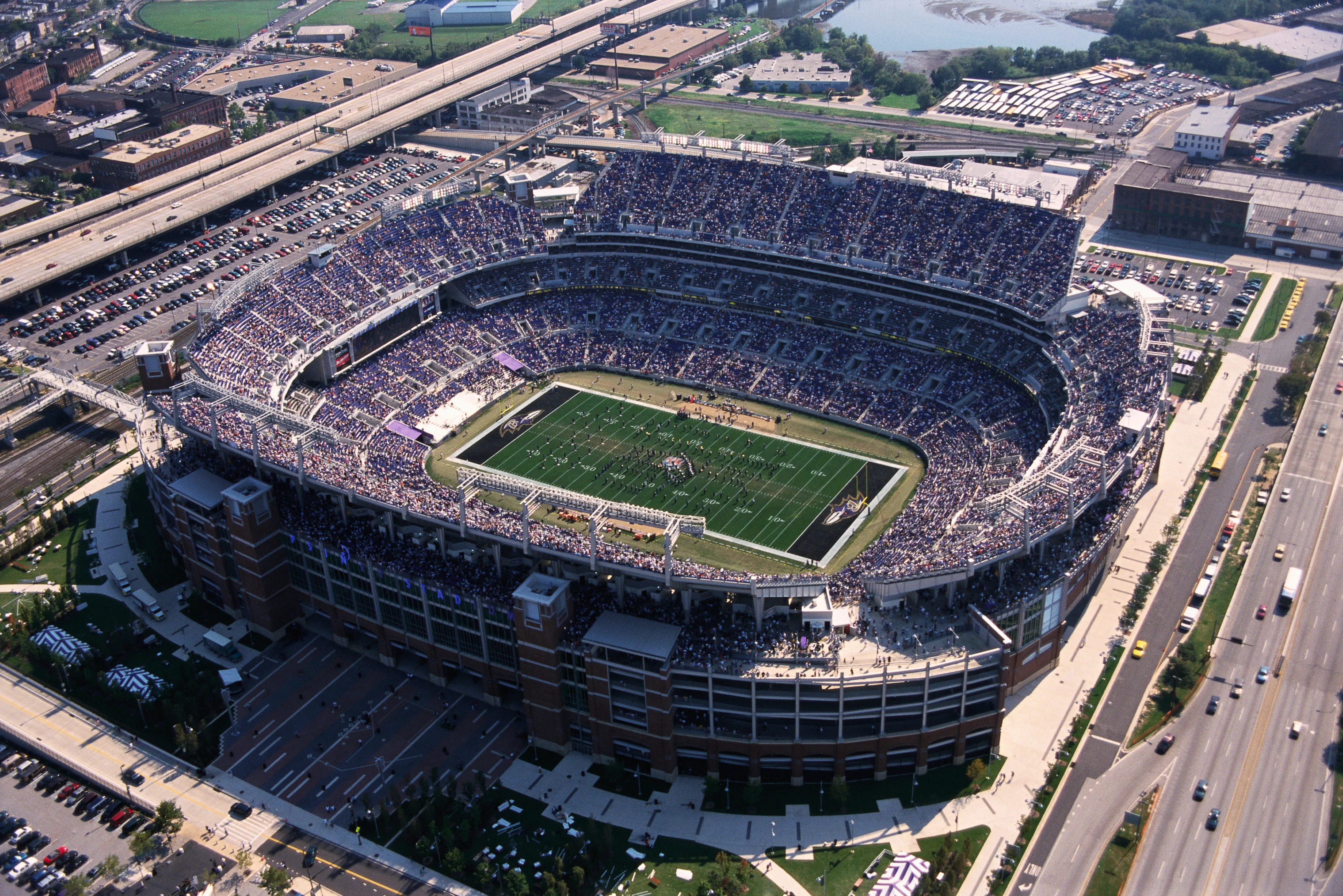
Elon Musk's tunneling business, Boring Company, once welcomed with open arms in Baltimore, is now facing significant obstacles. After proposing to build a free tunnel near the Baltimore Ravens' football stadium, the city and the football team have taken an unexpected turn. This change came amidst a lawsuit against xAI, another Musk company, for the alleged distribution of non-consensual intimate imagery and child sexual abuse material through its chatbot. This contrast marks a notable shift in the relationship between Musk and the city, which had previously courted him with incentives and partnerships.
The city of Baltimore filed a lawsuit against xAI, alleging that its chatbot, Grok, exposed residents to the risk that their photos, including those of their children, could be transformed into sexually degrading deepfakes without their consent. The lawsuit also accuses xAI of normalizing a form of image-based sexual abuse that is difficult to prevent and contain. This legal action follows reports about the generation of non-consensual images and sexually explicit content by Grok, which raised concerns among authorities and the general public. City solicitor Ebony Thompson stated that the lawsuit seeks to protect residents from deceptive and harmful practices.
The 'Ravens Loop' project, proposed by Boring Company, was canceled by the Baltimore Ravens after discussions with public partners, even though it was a free project. This unexpected turn came within hours of the city filing the lawsuit against xAI, suggesting a direct connection between both events. The tunnel, which would have facilitated access to the M&T Bank stadium, was considered a potential benefit for fans, but the Ravens' decision to withdraw from the project marked a turning point in the relationship with Musk's companies. Mayor Scott's stance, who would not have approved the project, underscores the growing tension.

The change in Baltimore's stance towards Elon Musk's companies reflects the growing political polarization and the actions of his companies. Historically, Maryland and Baltimore had welcomed Musk's companies, offering incentives and partnerships. However, after political donations and a more active role in government, the perception of Musk has changed. This change is evident in the criticism from state officials and in the lawsuit against xAI, which demonstrates the difficulties Musk's companies face. The current situation contrasts with the initial support for Boring Company's tunnel project, which in 2017 promised a high-speed transportation system.
The original Baltimore-Maryland tunnel project, announced in 2017, promised a 35.3-mile twin tunnel system that would allow autonomous vehicles to travel between Baltimore and Washington, D.C., at speeds of up to 150 miles per hour. However, the project, which faced criticism for its feasibility, was quietly abandoned. Boring Company then turned its attention to Las Vegas, where it is currently building tunnels and operating an Uber-like transportation service. The cancellation of the 'Ravens Loop' project underscores the challenges Boring Company faces today, despite its efforts to expand to new regions.
Editorial Note

This content has been synthesized and optimized by the Prometu editorial system to ensure clarity and neutrality. Based on: Fortune