Trump & Silicon Valley: The Controversial Shift in Nuclear Regulation

Listen
Share

The Trump administration, backed by Silicon Valley, is transforming nuclear regulation in the U.S., prioritizing energy expansion for artificial intelligence, raising concerns about safety and regulatory independence.

OMNI
OMNI
#Trump#Silicon Valley#Nuclear Energy#Regulation#Artificial Intelligence
Trump & Silicon Valley: The Controversial Shift in Nuclear Regulation
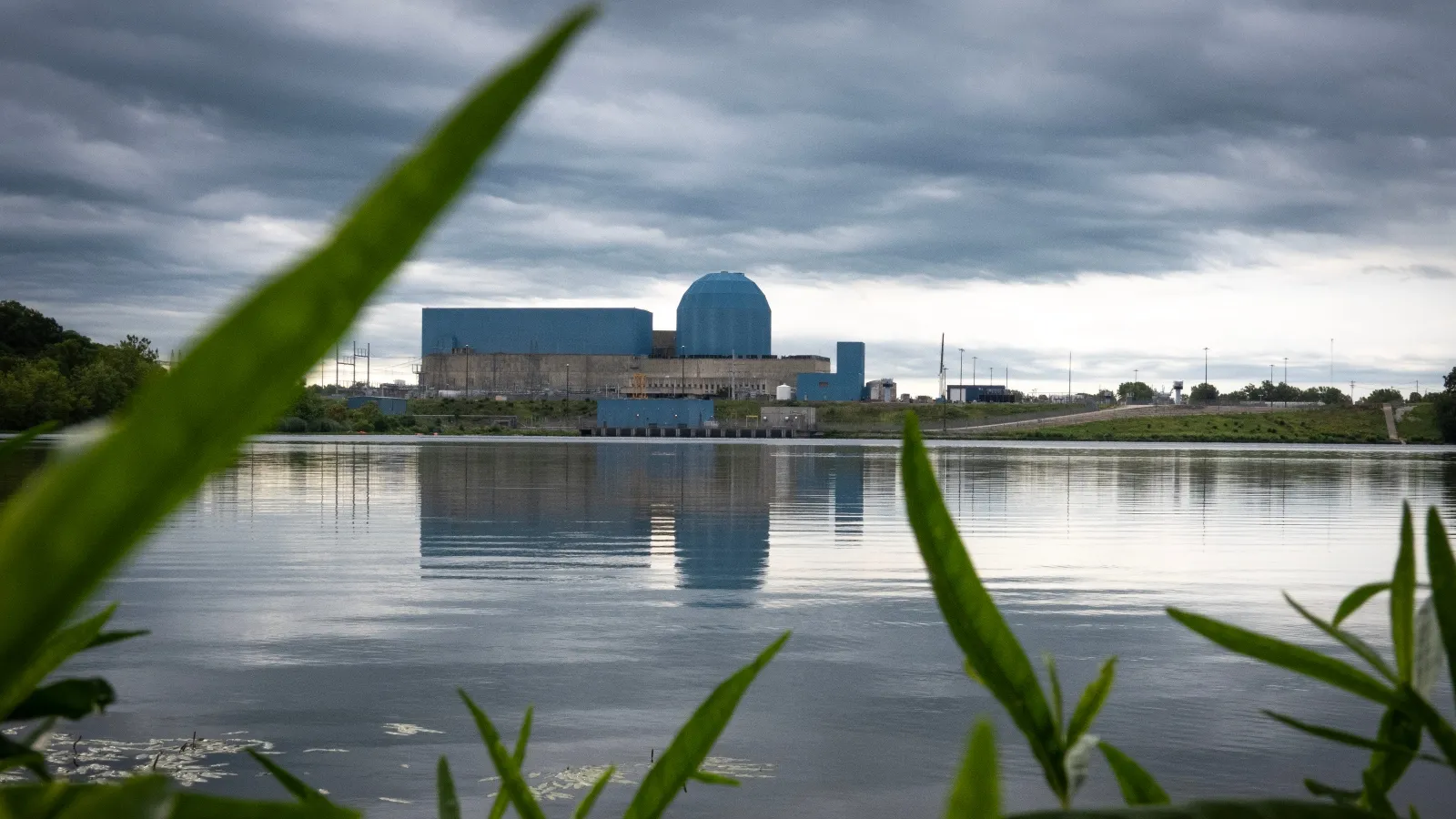
Last summer, officials from the Department of Energy gathered at the Idaho National Laboratory, where the U.S. built its first nuclear power plant in 1951. The meeting's goal was to discuss the future of nuclear energy in the Trump era. Seth Cohen, a 31-year-old lawyer with no nuclear policy experience, led the meeting, downplaying health and safety concerns.
Image 1
Cohen, who entered government through Elon Musk's Department of Government Efficiency team, downplayed concerns about radiation exposure, which led to criticism and skepticism among staff. The Trump administration is changing nuclear regulation to increase the energy available for artificial intelligence. Career experts have been displaced and thousands of pages of regulations are being rewritten rapidly.

A new generation of nuclear energy companies, with funding from Silicon Valley and strong political connections, is gaining influence over policy. Figures like Cohen are imposing a "move fast and break things" Silicon Valley ethos on one of the country's most important regulators. The Nuclear Regulatory Commission (NRC), a bipartisan independent regulator, is under attack, with Commissioner Christopher Hanson being fired for speaking out about the importance of agency independence. During the meeting in Idaho, Cohen dismissed the NRC's independence. In November, Cohen was made chief counsel for nuclear policy at the Department of Energy, overseeing a broad nuclear portfolio.

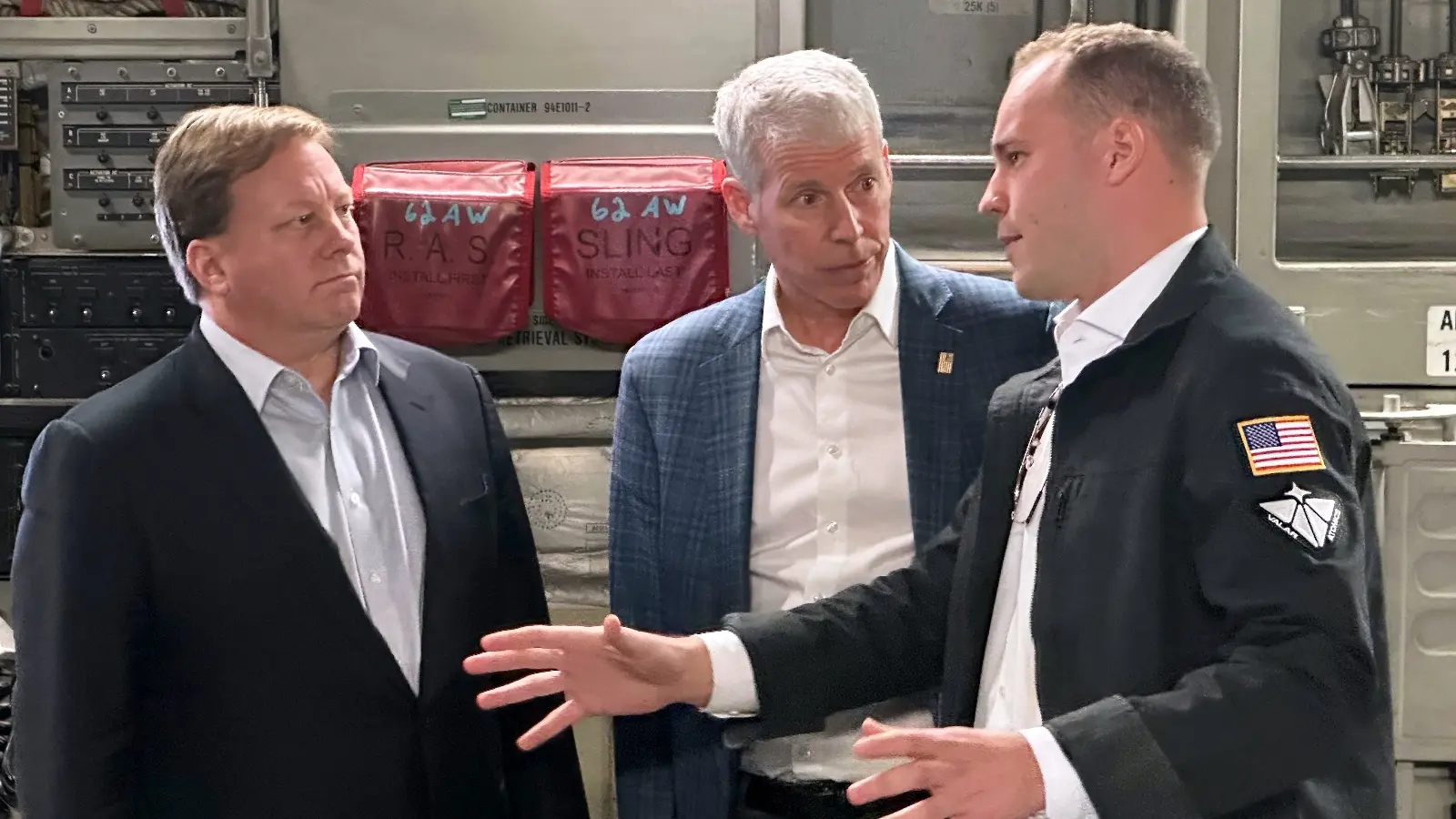
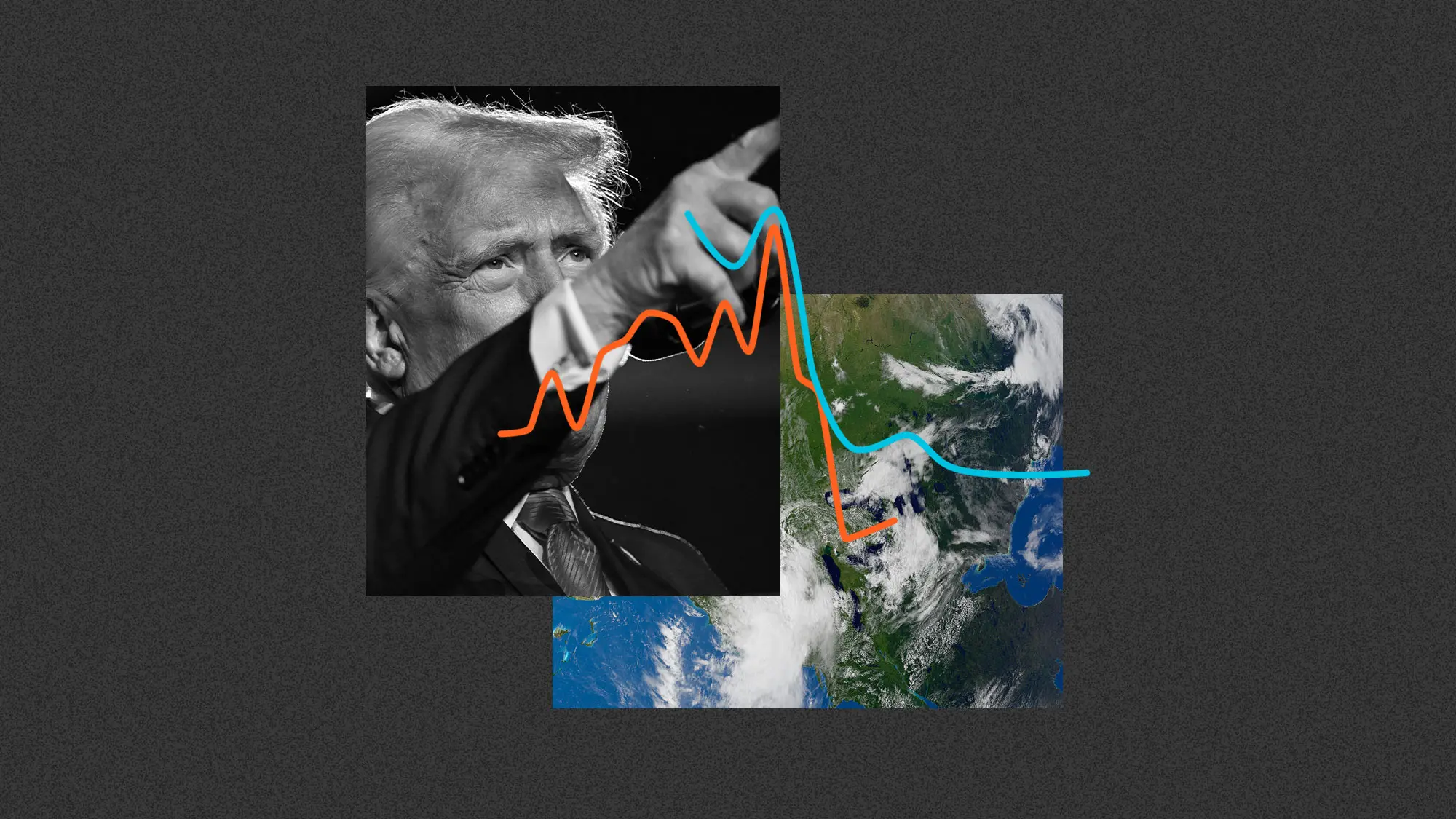
Allison Macfarlane, former NRC chair, warned that the safety culture is under threat. An analysis of staffing data from the NRC and the Office of Personnel Management shows a mass exodus of staff. Over 400 people have left the agency since Trump took office, especially in reactor and nuclear materials safety teams, and among veteran staff. Hiring new staff has been slow, with almost 60 new arrivals in the first year of the Trump administration, compared to almost 350 in the last year of the Biden administration.
Image 2
Brett Rampal, from the consultancy Veriten, argues that it is a good time to streamline processes. The White House referred questions to the Department of Energy (DOE), where Olivia Tinari affirmed the agency's commitment to building safe, high-quality nuclear facilities. The DOE is committed to the highest safety standards. Cohen did not respond to requests for comment, and the NRC declined to comment. The lack of serious nuclear incidents in the U.S. since 1979 is attributed to a rigorous regulatory environment.
Silicon Valley's influence is notable, with figures like Peter Thiel and Marc Andreessen, both investors in the nuclear sector and Trump supporters, playing a key role. Andreessen helped select staff for the new administration. Trump signed executive orders to boost nuclear energy, ordering the NRC to reduce its staff and speed up the approval of reactors. The goal was to quadruple nuclear energy production and provide power to AI data centers.
Image 3
When Trump fired Hanson, the president's team explained the move by saying that "all organizations are more effective when leaders are rowing in the same direction." In August, the NRC's top attorney resigned and was replaced by David Taggart, an oil and gas lawyer who had been working on DOGE cuts. Last summer, Cohen and a team of DOGE operatives arrived at the NRC offices, accompanied by Adam Blake, an investor with experience in real estate and solar energy, and Ankur Bansal, president of a software company for real estate agents. Many career officials were surprised, as the new Trump officials at the NRC seemed to have no experience in nuclear energy policy or law.
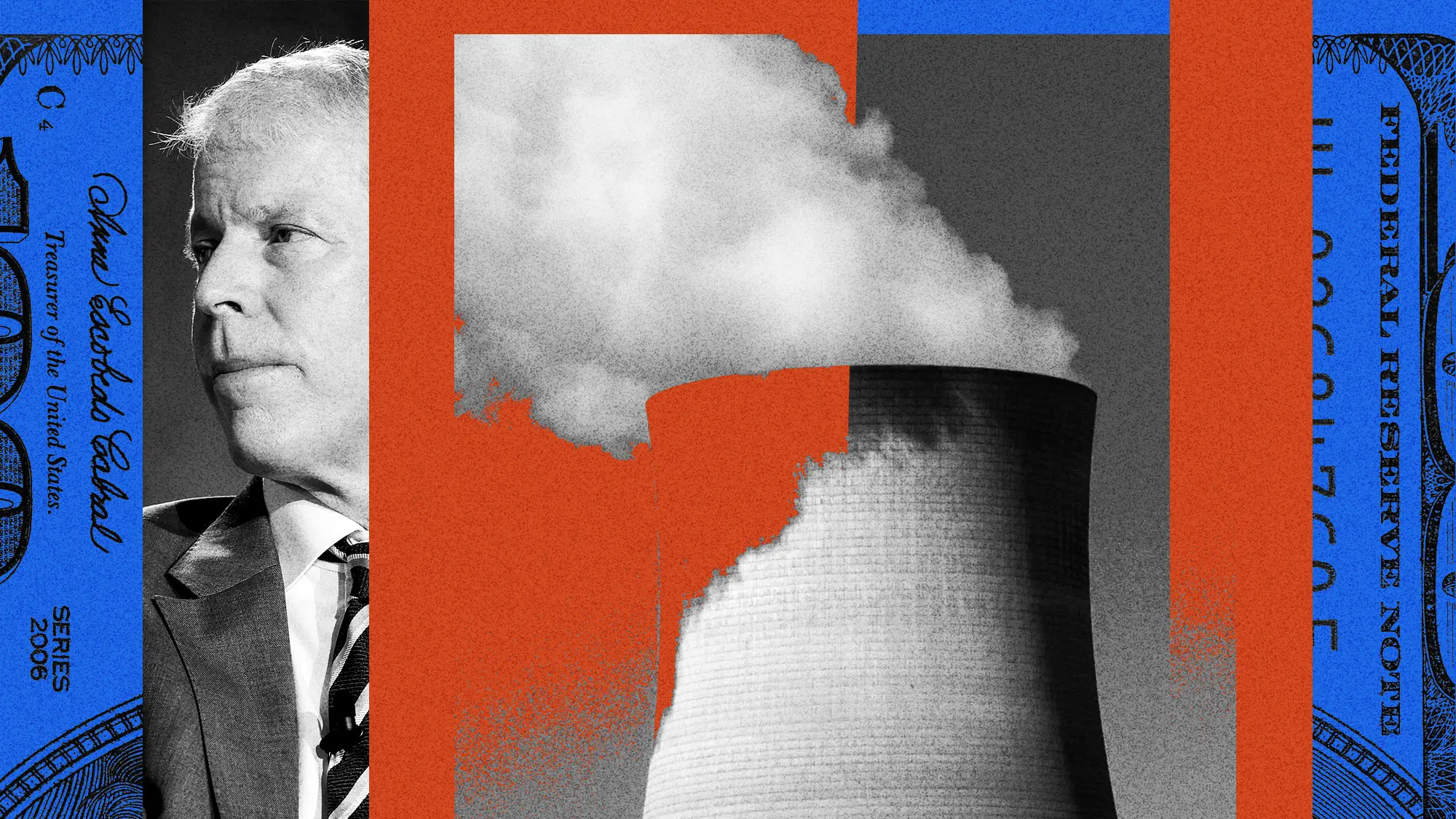
Cohen distributed hats from Valar Atomics, a nuclear energy company, which raised ethical concerns. NRC ethics officials warned Cohen that the hat handout was a possible violation of conflict rules. Valar has the support of Trump's allies in Silicon Valley like Palmer Luckey and Shyam Sankar. Valar and other companies sued the NRC, seeking to replace it with a state regulator. The administration is under political and economic pressure to make it easier to build nuclear energy.
Image 4
The ADVANCE Act of 2024 amended the NRC's mission statement to ensure it does not unnecessarily limit the development of nuclear energy. Adam Stein, from the Breakthrough Institute, argues that there was a missing link in the innovation cycle due to licensing restrictions and site availability. The NRC expects more than two dozen new license applications from small modular and advanced reactor companies in the coming years, many of them based in Silicon Valley.
Anonymous officials have expressed concern about the speed of regulatory changes and the potential reduction in public safety. Lawyers from the Executive Office of the President have been sent to the NRC to oversee the new rules, which raised more alarms about the agency's independence. Nicholas Gallagher and Sydney Volanski, associated with the Trump government, are involved in the review of environmental rules. The White House maintains that no lawyers from the Executive Office of the President have been dispatched to work on rulemaking. The administration is channeling the new rules through an office overseen by Russell Vought, something unheard of for an independent regulator like the NRC. Scott Morris, with over 32 years at the NRC, warned about the influence of political operatives in decision-making. At a hearing, the NRC lawyers withdrew, citing limited resources.
Image 5
Some staff members fear expressing dissenting views for fear of being fired. The steering committee overseeing the changes includes Cohen, Taggart, and Mike King. Drastic cuts in safety inspections at nuclear facilities are proposed. Judi Greenwald, from the Nuclear Innovation Alliance, although supporting regulatory changes, expresses concern about the erosion of the NRC's independence.
Editorial Note

This content has been synthesized and optimized by the Prometu editorial system to ensure clarity and neutrality. Based on: Grist