PrometuNews
© 2026 Prometu NewsPowered by Prometu, Inc.
Technology4 min...

Donut Lab Battery Mystery Continues: Fact or Fiction?

Listen
Share

Donut Lab unveils the mystery of its solid-state battery with weekly tests, generating debate and skepticism in the industry.

OMNI
OMNI
#batteries#technology#innovation#Donut Lab#solid state
Donut Lab Battery Mystery Continues: Fact or Fiction?

Following the CES announcement, Donut Lab's solid-state battery sparked skepticism and doubts. To address these concerns, the company launched the 'I Donut Believe' series, presenting weekly test results conducted by third parties. CEO Marko Lehtimakki explained that the announcement of the first production vehicle with a solid-state battery at a competitive price generated an 'intense response' in the industry, which was disrupted by this innovation.
Donut Lab Battery Mystery Continues: Fact or Fiction? - Image 1


Lehtimakki noted that the reactions included the argument that if Donut Lab didn't invent it, then it doesn't exist. In the absence of information, speculation ran wild. Even Wikipedia repeated myths that have already been debunked by the provided tests. The Wikipedia entry on the Donut battery estimated a lifespan of between 50% and 70% of its capacity, which is erroneous for various reasons.

Speculation continued despite everything, and some complained that Donut Lab should have released all the data immediately, but this did not happen. Marko revealed the main purpose in two ways. First, 'The louder the doubts, the harder it will be to fund scaling.' In other words, a FUD campaign destroys startup competition. Second, Donut Labs planned to set a trap, letting the biggest skeptics speak out first, and then showing the proof.
Donut Lab Battery Mystery Continues: Fact or Fiction? - Image 2


The purpose of the weekly test announcements is to regain control of the narrative. This does not fit the desires and agendas of everyone, especially those with vested interests. Scientists, researchers, and curious onlookers wish to know all the secrets, but the answers are not easy. The truth will come when parties like Munro get their hands on a motorcycle and take it apart. This may not explain how the battery works or how it is made, as companies are reluctant to reveal proprietary information to competitors.


The series began with fast charging, showing 11C charging and 0-80% charge in 4.5 minutes. The second test showed that the device worked at 100 degrees Celsius and still retained its normal operation and charge at room temperature. During testing, the battery packaging failed, indirectly showing that the battery was not a lithium battery with liquid electrolyte, proving that it is solid state.
Donut Lab Battery Mystery Continues: Fact or Fiction? - Image 3


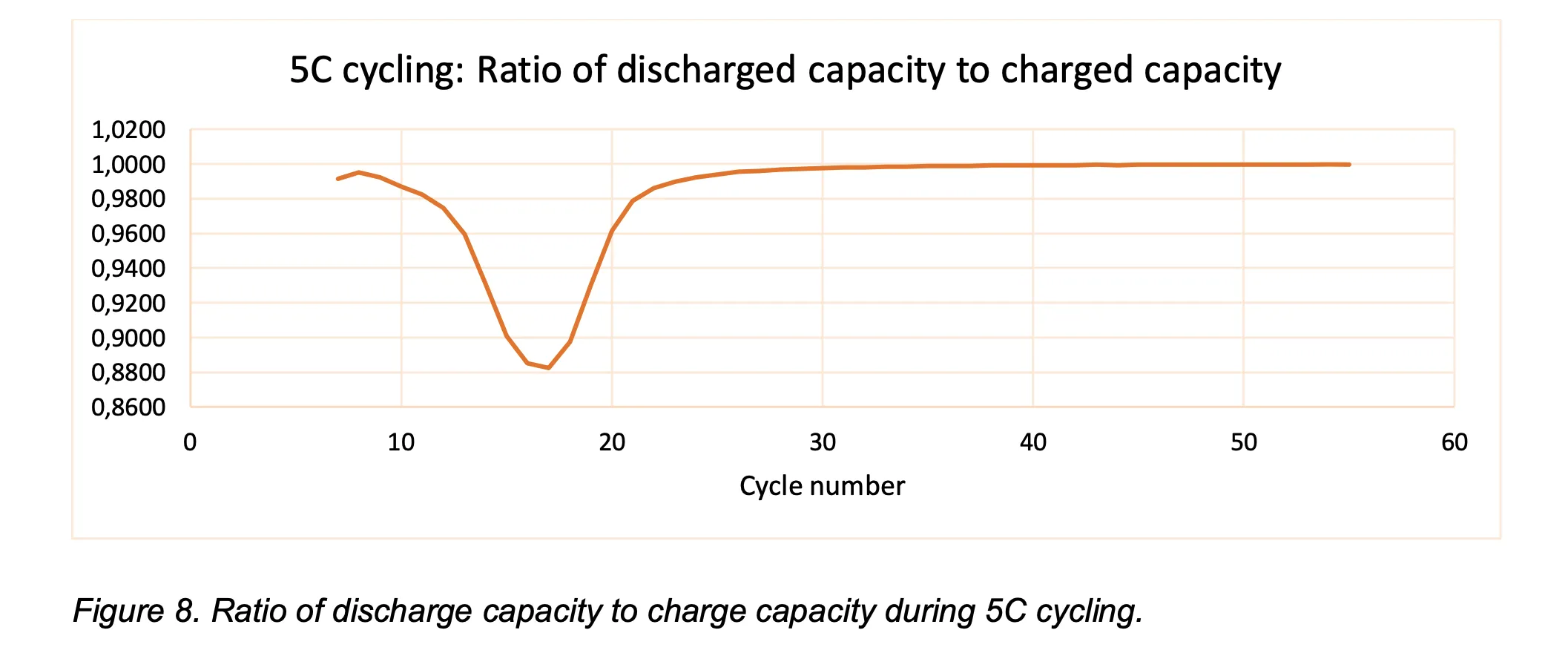
Then, a leak test showed that it was not a supercapacitor, because the discharge was slow. A video showed the battery in a Verge motorcycle charged at 5C, faster than any production electric motorcycle and faster than any production car, using only air cooling, a more difficult achievement than charging with liquid thermal management. The fourth test used the battery with damaged packaging to demonstrate that extended high-temperature operation and fast charging did not result in unsafe operation or fire.

Faced with the claim that Donut Lab's battery was lithium-ion, a great discussion arose. Ryan Inis, known as Ziroth, responded, highlighting the need for tests. Cynicism and skepticism were separated from success, since, although everything that can go wrong will go wrong, engineers make things work.
Donut Lab Battery Mystery Continues: Fact or Fiction? - Image 4


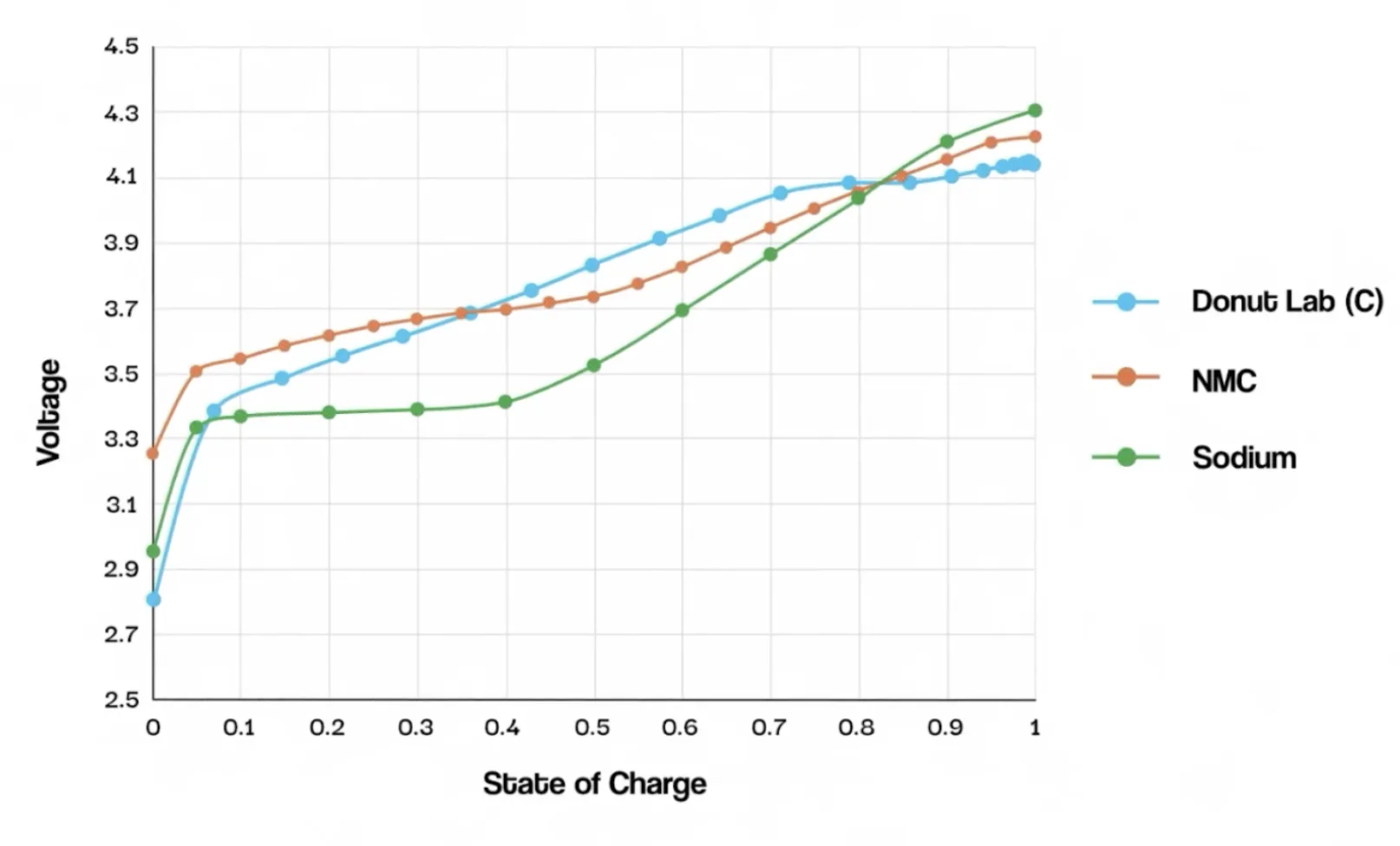
Ryan adjusted a graphic analysis comparing NMC, sodium-ion, and Donut Lab's charge voltage versus state of charge (SOC). The result shows three curves: for the Donut Lab battery, the Naxtra sodium-ion battery, and an NMC lithium-ion battery. None of the charge voltage curves match exactly. The curve of the Donut Lab battery is as close to the NMC curve as the variations in the NMC curves from different manufacturers for various applications.

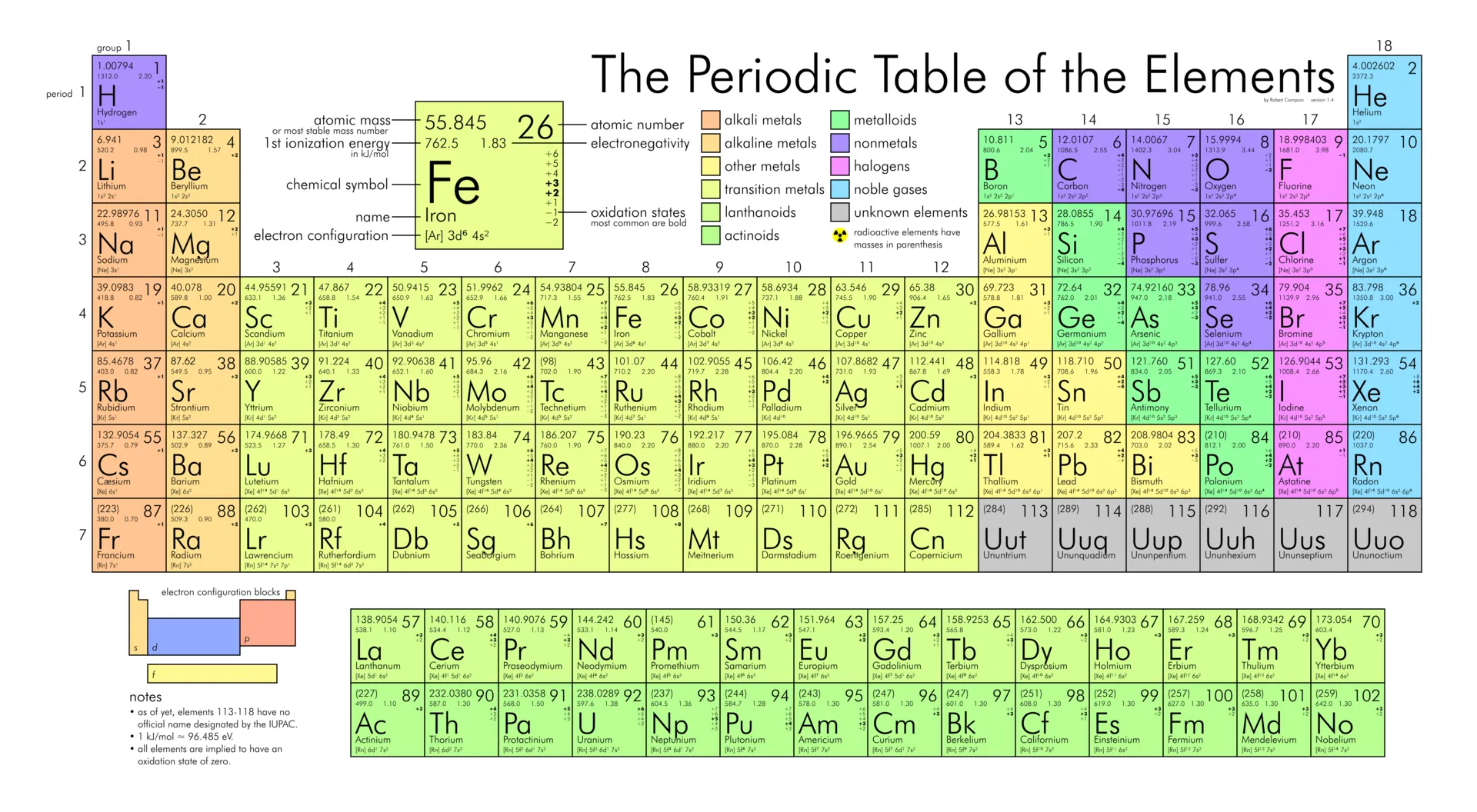
The battery is not lithium-ion, nor is it a capacitor, nor any known combination of cell chemistry and electrolyte. What could it be? It has to be made of abundant materials, no cobalt, no nickel, no lithium. It has to work at high temperatures safely. This practically eliminates all other possibilities except sodium and an advanced electrolyte.
Donut Lab Battery Mystery Continues: Fact or Fiction? - Image 5


Sodium is more abundant and cheaper than alternatives. The electrolyte is the biggest mystery. It could be a combination of an advanced solid-state polymer electrolyte, sodium chemistry, anodeless construction, and cathode material. The combination is a big challenge. The mystery of cell operation could be unknown for some time. The biggest unknown is the solid-state electrolyte.
Editorial Note

This content has been synthesized and optimized to ensure clarity and neutrality. Based on: CleanTechnica