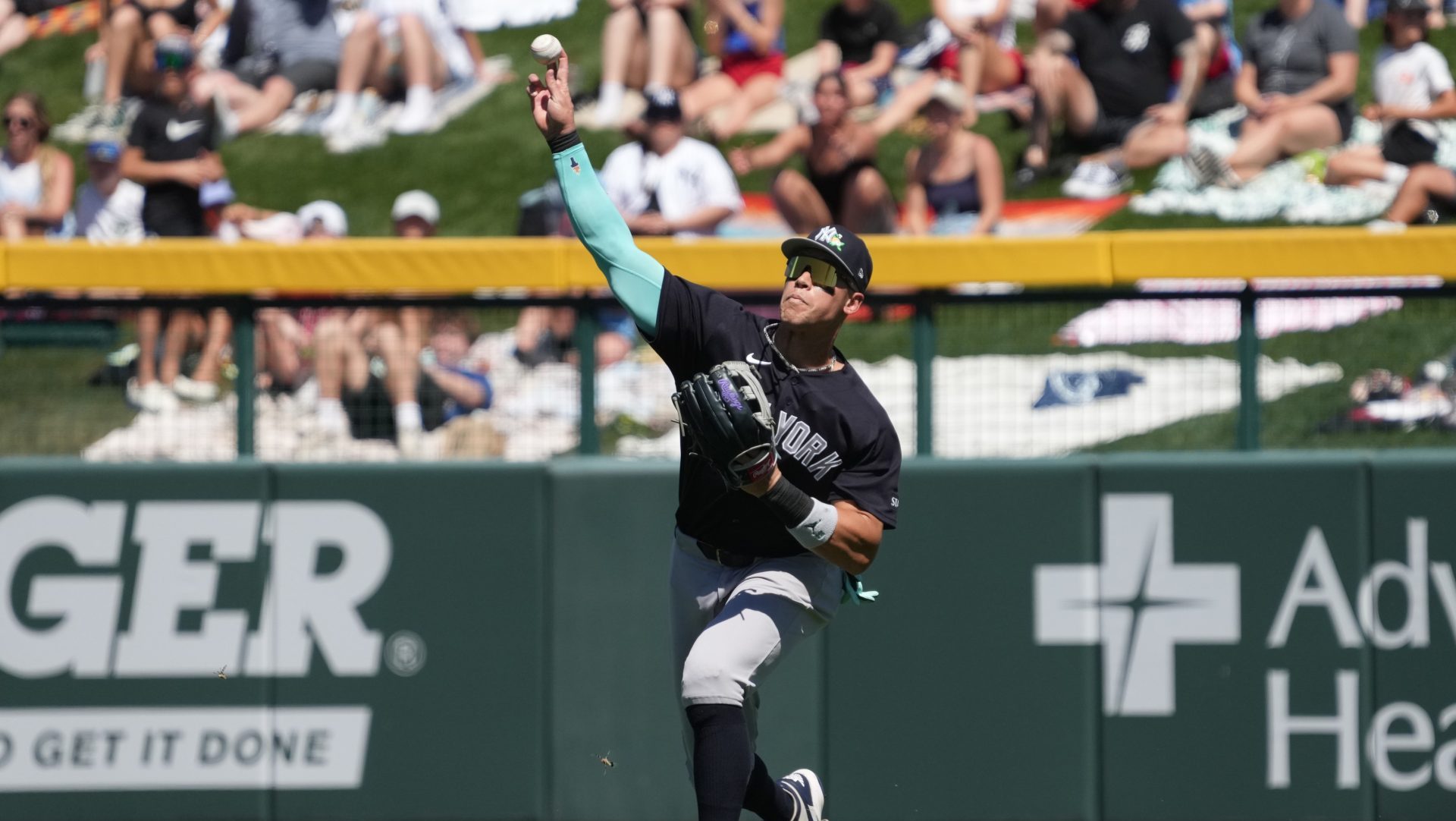
The baseball season kicked off with the Yankees and Giants broadcast on Netflix, marking a key step in MLB's strategy to nationalize its broadcasts. This game is just one of three to air on Netflix this season, including the Home Run Derby and the Field of Dreams game. In addition, the league has signed new deals with NBC Sports and ESPN, the latter with a significant renewal that includes distribution of the MLB.TV out-of-market package.
The combination of these deals with existing ones and local team deals could lead to some teams being broadcast on more than a dozen different channels in 2026. The Yankees, for example, will be available on YES Network, Amazon Prime Video, NBC, Peacock, ESPN, ABC, Fox, FS1, TBS, Apple TV, and Netflix, in addition to non-exclusive coverage on MLB Network and the local channels of their opponents.
Federal Communications Commission chairman Brendan Carr expressed his concern on social media: "Watching your favorite team play isn't as easy these days." Carr has shown interest in sports-related matters, including the YES Network, and initiated a public inquiry into the increasing fragmentation in sports broadcasts.
In response to this dynamic, MLB has created a webpage, MLB.com/Watch, to help fans find where games are being broadcast. This will be especially important in the first week of the season, with the debuts of Netflix and NBC, as well as the return of Fox, TBS, and Apple.
MLB Commissioner Rob Manfred highlighted the importance of "discoverability" at a Front Office Sports media summit last fall. MLB's strategy seeks greater national coverage, despite the potential confusion and additional costs for fans, with the goal of achieving a structure similar to that of the NFL.
Manfred plans to restructure the MLB's media business to resemble the NFL's national approach more closely, with a key point in 2028 when current national rights agreements expire and plans to combine those rights with local ones.
This strategy has several potential benefits, including reducing financial differences between high-revenue teams like the Dodgers and Yankees, and low-revenue teams like the Marlins. It also seeks to give stars a wider platform to become national figures, such as Shohei Ohtani or Aaron Judge.
Manfred stated that flexibility is sought to combine the components in a way that achieves greater reach and improves the popularity of the sport in the long term, in addition to improving the economy to maintain the growth of the sport from a revenue perspective. "There will be more games available in national packages, that's my bet," Manfred concluded.
Manfred's long-term plan, which will end in January 2029, seeks a significant transformation in how MLB games are distributed. The expansion to multiple platforms and the combination of national and local rights are crucial steps to achieve this.
MLB hopes that this strategy will not only increase the visibility of its games but also strengthen the league's financial stability and allow for sustainable long-term growth.