PrometuNews
© 2026 Prometu NewsPowered by Prometu, Inc.
Sports4 min...

Bulgarian Athletes: From Medals to Parliament, An Analysis

Listen
Share

Bulgarian sports stars like Dimitar Berbatov and Stefka Kostadinova, among others, are entering politics, generating both expectations and questions.

OMNI
OMNI
#Bulgaria#sports#politics#Dimitar Berbatov#Stefka Kostadinova
Bulgarian Athletes: From Medals to Parliament, An Analysis

In Bulgaria, prominent figures from the world of sports are entering politics, attracting public attention and generating a debate about the suitability of this transition. Dimitar Berbatov, former Manchester United and Bulgarian national team footballer, became a sports advisor to the interim cabinet, while Stefka Kostadinova, 1996 Olympic high jump champion, is running for parliament for the New Beginning party.

This trend is not exclusive to Bulgaria, but rather a phenomenon observed throughout the Balkan region, where renowned athletes have found a path into politics. The popularity and public recognition of these athletes offer political parties a valuable tool to gain the trust of voters, especially in contexts where trust in traditional politicians is low.

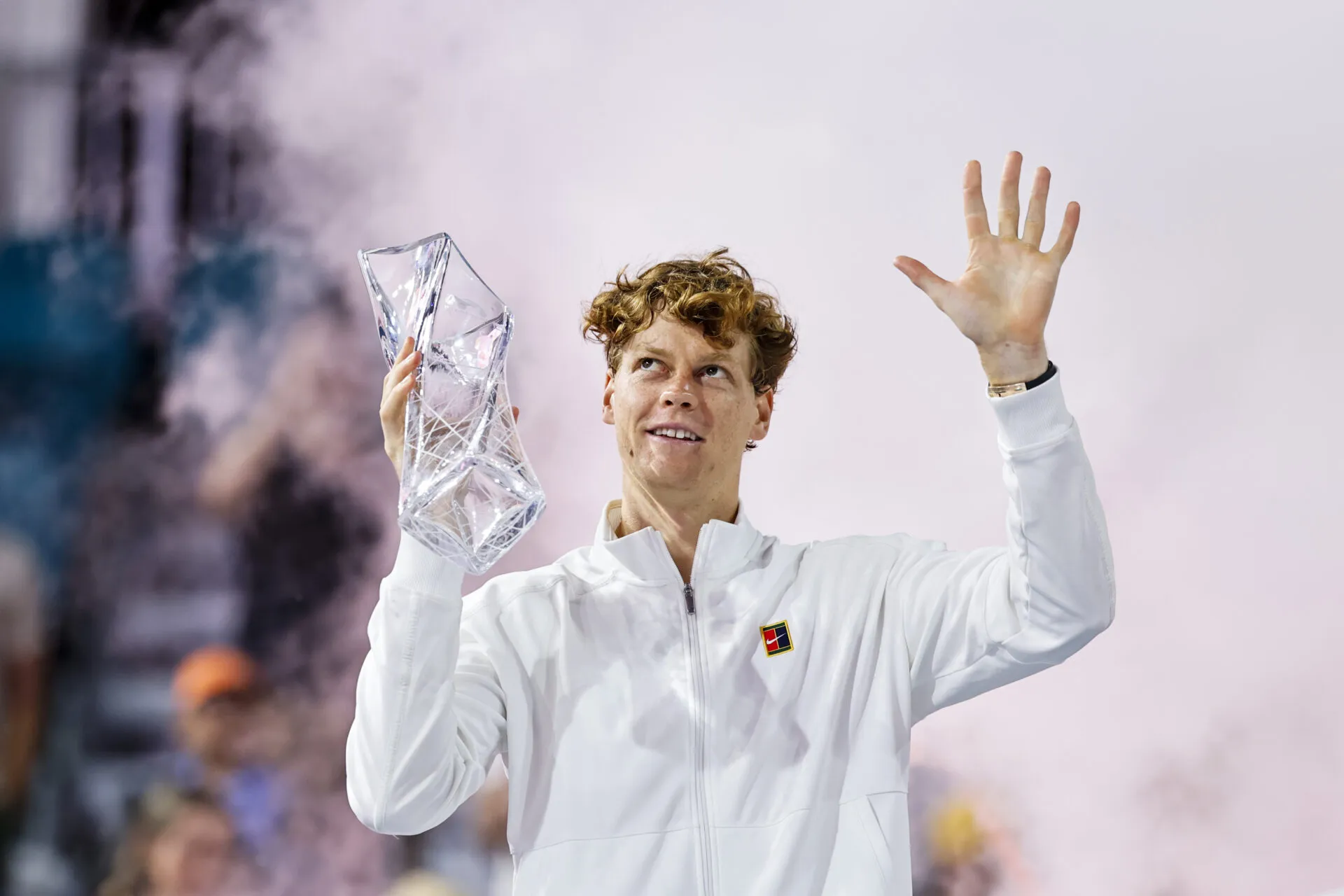
Political parties often seek the 'stardust' of respected figures from the world of sport, a tried and tested tactic to win public trust. However, this strategy is not without risks. Experts warn that the transition from a sports career to a political position can be risky. It is highlighted that success in politics is not measured in medals and trophies, and that adapting to legislative responsibilities and debates on the economy and international affairs can be a challenge.

In addition, athletes who enter politics run the risk of losing advertising and sponsorship contracts, and damaging the reputation they have built over the years. Despite these risks, the appeal of athletes to political parties lies in their positive image and the identification that the public makes with them, associating them with positive values and the emotions generated by their victories.

The story of Hakan Sukur, a Turkish football star, illustrates the possible dangers of the politicization of a sports career. After a successful sporting career and having been a member of parliament for Erdogan's AKP, Sukur had to leave Turkey and is now accused of belonging to a terrorist organization, due to his support for the Gulenist movement.

This case highlights how politics can negatively affect the lives of athletes who get involved in it, especially in polarized political contexts. Sukur's experience serves as a reminder of the risks involved in entering politics and the importance of carefully considering the implications of these decisions.

Outside Bulgaria, the list of sportsmen and women who later scored success on the field of politics in the Balkans is long and illustrious. It includes Albania’s current Prime Minister, Edi Rama, who was a professional basketball player, and Turkey’s President, Recep Tayyip Erdogan, who played semi-professional football.

Others have risen to ministerial office, like Bosnia and Herzegovina’s Foreign Minister, Elmedin Konakovic. In addition, Bosnia’s parliament includes two politicians with sporting backgrounds: Denis Zvizdic and Branislav Borenovic. Croatia also boasts several politicians with sporting backgrounds, such as Franjo Arapovic and Mirko Filipovic.

According to Bojidar Kartunov, founder of the Sports Heroes marketing agency, successful sports figures are not just recognizable faces, but the public identifies with them through an idealized image, to which many positive feelings are associated due to the emotions their victories bring.

In a context where trust in politicians is low, the emergence of new faces with a positive image and a history of success can be an effective strategy to win votes. However, it is crucial that these athletes are prepared for the challenges and risks that politics entails, and that they are aware of the responsibilities that come with it.
Editorial Note

This content has been synthesized and optimized to ensure clarity and neutrality. Based on: Balkan Insight