
Charleston Open Director: Equal Prize Money Makes Business Sense
The tournament director of the Charleston Open states that the record-setting equal prize money is a strategic business decision.

#tennis#Charleston Open#WTA#prize money#sports
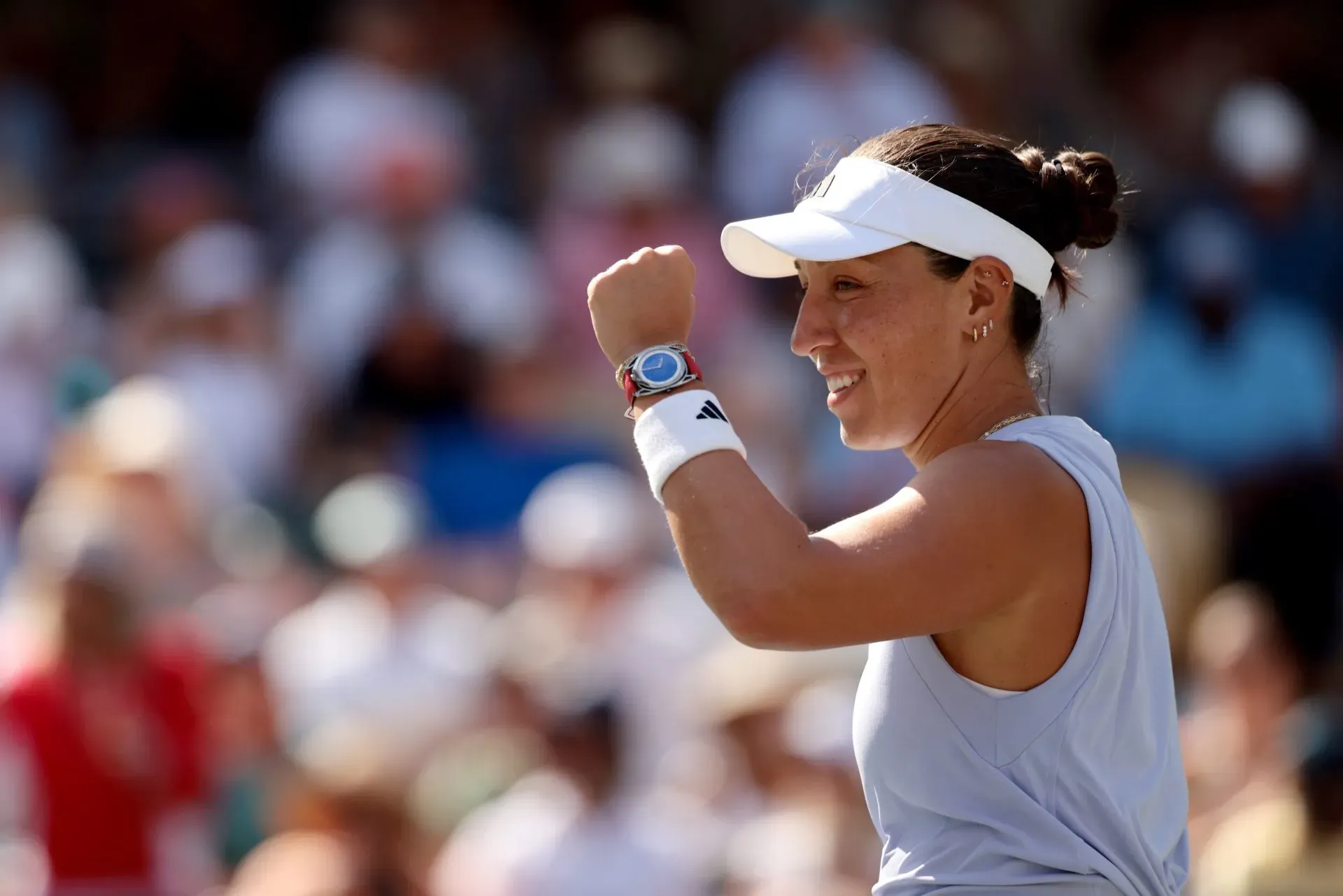
In an interview, Bob Moran, tournament director of the Charleston Open, explained that the $2.3 million prize purse for the tennis tournament, nearly twice the mandated minimum of $1.2 million for a WTA 500 event, makes business sense.
Moran, also the president of local billionaire Ben Navarro’s family office, Beemok Sports & Entertainment, which owns and operates the Charleston and Cincinnati Opens, emphasized the importance of securing revenue through ticket sales, partnerships, and international partners to sustain the business of the tournament.
The tournament also announced that an additional $200,000 will go to the WTA’s player benefit programs, totaling $2.5 million.
Moran, also the president of local billionaire Ben Navarro’s family office, Beemok Sports & Entertainment, which owns and operates the Charleston and Cincinnati Opens, emphasized the importance of securing revenue through ticket sales, partnerships, and international partners to sustain the business of the tournament.
The tournament also announced that an additional $200,000 will go to the WTA’s player benefit programs, totaling $2.5 million.
The Charleston Open, which starts on Monday, announced last year that starting in 2026, it would have equal prize money as 500-level events on the men’s tour.
This move puts the tournament eight years ahead of the WTA’s goal to deliver equal prize money across all single-week, non-combined WTA 1000 and 500 tournaments by 2033. The WTA also aims to have equal prize money at combined WTA 1000 and 500 events by next year.
This early milestone was achieved due to a deal with Credit One Bank, the title sponsor, in which Navarro owns a significant minority stake.
This move puts the tournament eight years ahead of the WTA’s goal to deliver equal prize money across all single-week, non-combined WTA 1000 and 500 tournaments by 2033. The WTA also aims to have equal prize money at combined WTA 1000 and 500 events by next year.
This early milestone was achieved due to a deal with Credit One Bank, the title sponsor, in which Navarro owns a significant minority stake.
Moran, who sits on the WTA board of directors and the ATP Tournament Advisory Council, understands that it likely does not make business sense for other WTA tournaments to offer equal prize money yet.
He believes the renegotiation of media rights deals over the next few years will be key to the rest of the tournaments hitting the tour’s goal.
Moran indicated that about 63% of prize money for a typical WTA 500 event is covered by international rights deals and partnerships. On the men’s tour, rights and sponsorships easily cover all of the prize money costs.
He believes the renegotiation of media rights deals over the next few years will be key to the rest of the tournaments hitting the tour’s goal.
Moran indicated that about 63% of prize money for a typical WTA 500 event is covered by international rights deals and partnerships. On the men’s tour, rights and sponsorships easily cover all of the prize money costs.
The Charleston tournament, positioned in the green clay court season in the U.S., falls at the end of the hardcourt season, just before the European clay court leg.
This positioning has raised concerns among players, exacerbated by the crowded early-season schedule, which led to numerous withdrawals at the Dubai Tennis Championships in February.
Figures like Amanda Anisimova and Emma Navarro withdrew due to injuries, highlighting the tournament's challenge in the calendar.
This positioning has raised concerns among players, exacerbated by the crowded early-season schedule, which led to numerous withdrawals at the Dubai Tennis Championships in February.
Figures like Amanda Anisimova and Emma Navarro withdrew due to injuries, highlighting the tournament's challenge in the calendar.
Moran admitted that the Charleston Open doesn’t have a prime placement in the tennis calendar, but is committed to improving the event.
In February, a Tour Architecture Council, led by Jessica Pegula, the defending Charleston Open champion, was created to address the calendar issues.
Moran is combing through data on players’ attendance at WTA events, believing that incremental changes, based on analytics, will make the difference.
In February, a Tour Architecture Council, led by Jessica Pegula, the defending Charleston Open champion, was created to address the calendar issues.
Moran is combing through data on players’ attendance at WTA events, believing that incremental changes, based on analytics, will make the difference.
Related Stories

OMNI•3 min•

OMNI•3 min•