PrometuNews
© 2026 Prometu NewsPowered by Prometu, Inc.
Retail3 min...

From Kitchen Table to Food Empire: The Story of Amy's Kitchen

Listen
Share

Amy's Kitchen, born at a kitchen table, built a billion-dollar frozen food empire by maintaining traditional methods.

OMNI
OMNI
#Amy's Kitchen#frozen foods#organic food#business#history
From Kitchen Table to Food Empire: The Story of Amy's Kitchen

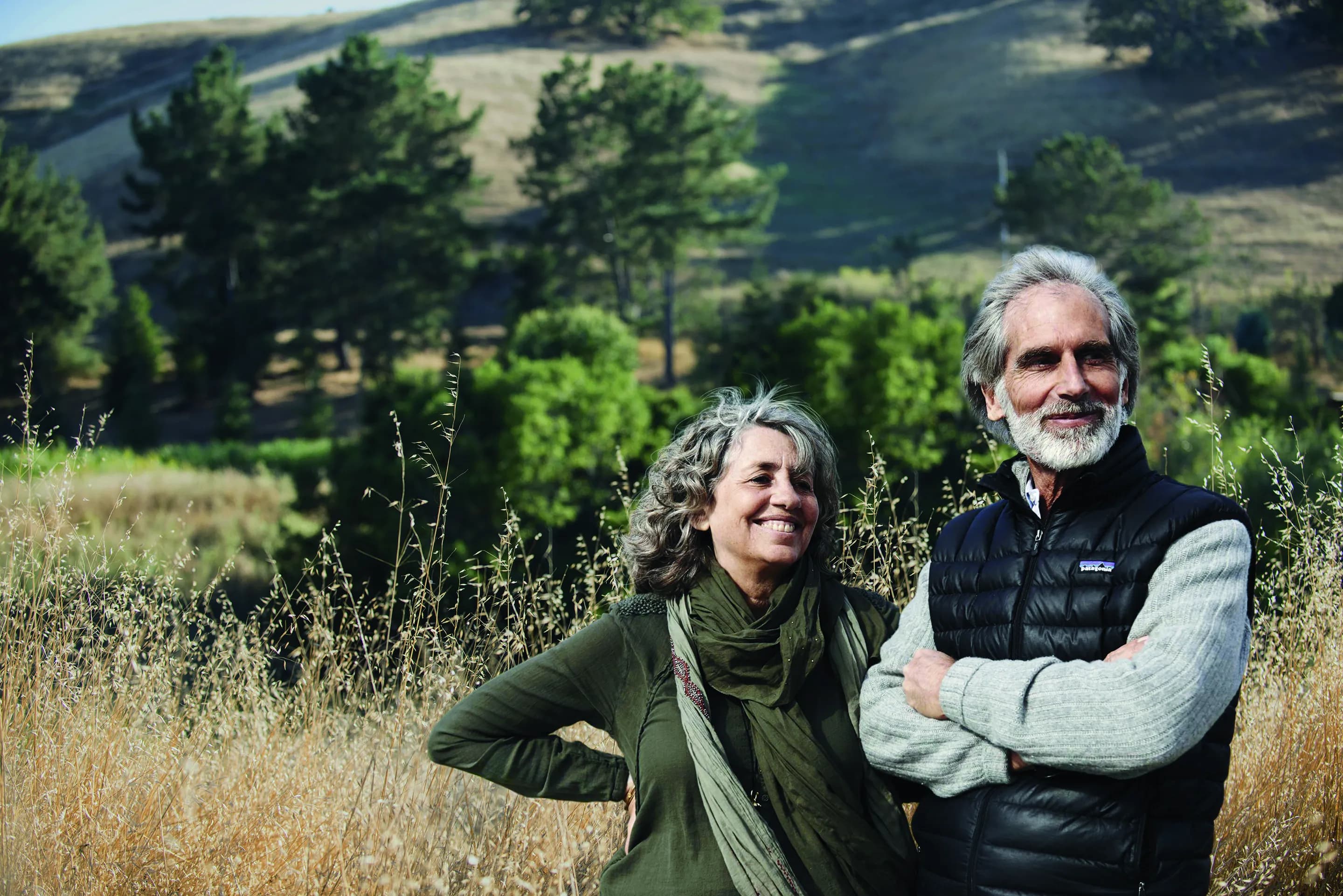
In a modest Victorian ranch house in Northern California, a small round table served as the primary research and development lab for Amy's Kitchen for nearly 30 years.

There, Fred, the original chef, would bring trial recipes to founders Andy and Rachel Berliner for tasting. From these domestic sessions emerged a frozen food giant, with approximately $1 billion in retail sales and nearly 2,000 employees across three culinary facilities.

However, despite its massive scale, the Berliners insist that their success lies in refusing to modernize their methods, maintaining a philosophy focused on "cooking food, not manufacturing it."

From Kitchen Table to Food Empire: The Story of Amy's Kitchen - Image 1

The business was born 37 years ago out of a specific financial need: Rachel was pregnant with their daughter Amy, and the couple needed a way to fund her future education.

Amy, who now serves on the company's board, has followed in her parents' footsteps and built her own family. The founders never planned to build a conglomerate, but rather focused on securing their daughter's future.

This company was built on the premise that you can scale without industrializing and run a multi-million dollar operation like a big kitchen.
From Kitchen Table to Food Empire: The Story of Amy's Kitchen - Image 2

In an industry dominated by industrial production, the company distinguishes itself by its artisanal approach.

They prepare ingredients by hand, make their own broths and marinades, and use organic ingredients that cost 25% more than conventional alternatives.

Rachel, raised with the idea of organic food, defends this philosophy, which aligns with her and her family's upbringing. It is this commitment to "cooking" that distinguishes Amy's Kitchen.

The bean and cheese burrito is a flagship product of the company, valued for its taste and emotional connection.

For Andy, this product is not just a food option, but offers a feeling of comfort and nutrition.

The company's success is partly due to its 40-year partnership, as well as its business culture, which prioritizes the well-being of its employees, even during the COVID-19 pandemic.

In 2022, complaints arose about working conditions at the Santa Rosa plant, including dangerous line speeds and lack of breaks.

Cal/OSHA proposed a $25,000 fine for violations, although Amy's Kitchen denied the allegations and claimed to have a better safety record than the industry average.

The company reached an agreement with the workers, committing to safety risk assessments and wage increases, recognizing that valid issues were identified and continuing to invest in comprehensive employee benefits.
From Kitchen Table to Food Empire: The Story of Amy's Kitchen - Image 3

The Berliners have been involved in political shifts in food policy, including helping to draft the rules for the National Organic Standards Board.

The company does not use artificial colors and benefits from the growing demand for organic and minimally processed foods.

In 2025, the brand expanded access to organic products to more than 45 million households, and currently leads the market for organic frozen pizza, burritos, and pockets, validating its philosophy and approach.
Editorial Note

This content has been synthesized and optimized to ensure clarity and neutrality. Based on: Fortune