
Vox Denies Internal 'Bunker': Analysis and Response
In response to claims of an internal 'bunker' within Vox, the political party denies any shadow structure of power.

#Vox#Politics#Spain#Santiago Abascal#Analysis
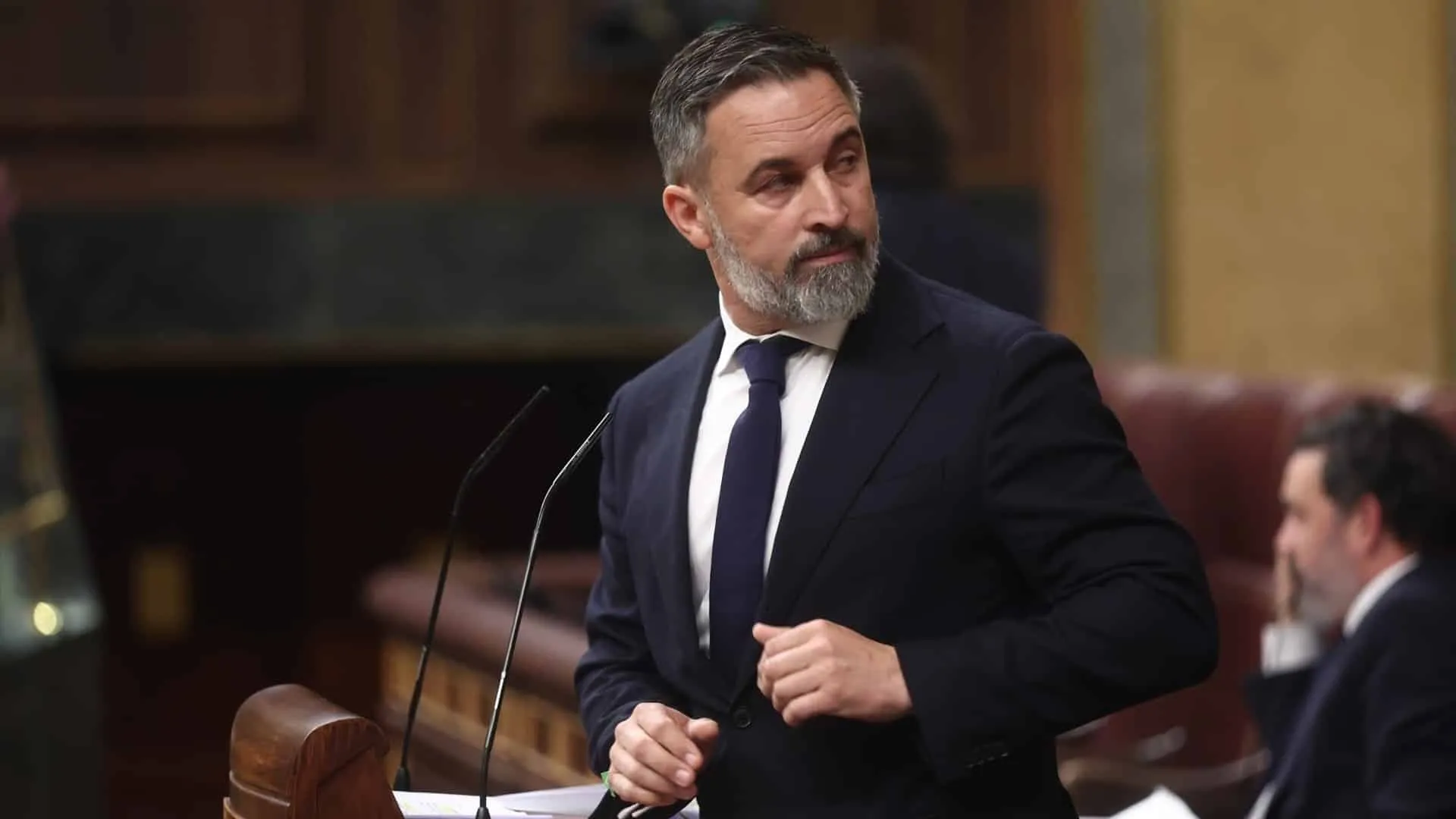
The debate centers on accusations of a supposed 'bunker' within Vox, led by key figures like Kiko Méndez-Monasterio and the Ariza, according to reports published by 'El Independiente'.
These claims, based on testimonies from internal critics and former officials, suggest a power structure parallel to the party's official one.
However, Vox rejects these accusations, arguing that it is a coordinated campaign to undermine the image and unity of the party.
These claims, based on testimonies from internal critics and former officials, suggest a power structure parallel to the party's official one.
However, Vox rejects these accusations, arguing that it is a coordinated campaign to undermine the image and unity of the party.
Vox has responded to the accusations by criticizing media coverage and accusing the media of bias and giving voice to critics with hidden interests.
The party points to a supposed coordination in the timing of these publications, interpreting them as an attempt to destabilize Vox.
In addition, Vox highlights the courage and determination of its members and voters, presenting them as a united front against criticism.
The party points to a supposed coordination in the timing of these publications, interpreting them as an attempt to destabilize Vox.
In addition, Vox highlights the courage and determination of its members and voters, presenting them as a united front against criticism.
In its defense, Vox denies the existence of a 'bunker' and describes an open and democratic internal structure, with well-defined bodies and functions.
The evolution of the party is mentioned, from an Executive National Committee with few members to a broader and more diverse structure.
The participation of members in decision-making and the opening of the party to different voices and perspectives are highlighted.
The evolution of the party is mentioned, from an Executive National Committee with few members to a broader and more diverse structure.
The participation of members in decision-making and the opening of the party to different voices and perspectives are highlighted.
The article mentions the work of unity of doctrine entrusted to figures such as the author, who was first on the Vox list for the European Elections of May 2019.
Reference is also made to the creation of a Political Action Committee, where strategic and tactical decisions were made.
The evolution of the party's internal structure through statutory reforms, democratically approved, to gain flexibility and adapt to new challenges is underlined.
Reference is also made to the creation of a Political Action Committee, where strategic and tactical decisions were made.
The evolution of the party's internal structure through statutory reforms, democratically approved, to gain flexibility and adapt to new challenges is underlined.
Vox presents itself as a broad and constantly advancing front, instead of a 'bunker', a front of rupture that seeks to break down the walls that divide Spaniards.
The participation of various national sector spokespersons and the work of Jorge Buxadé, head of the Vox delegation in the European Parliament, are highlighted.
Vox's response seeks to counter the accusations, defending its internal unity and its political project.
The participation of various national sector spokespersons and the work of Jorge Buxadé, head of the Vox delegation in the European Parliament, are highlighted.
Vox's response seeks to counter the accusations, defending its internal unity and its political project.
Related Stories


OMNI•4 min•
OMNI•3 min•