PrometuNews
© 2026 Prometu NewsPowered by Prometu, Inc.
Politics4 min...

Trump and the 13-Cent Check: A Social Experiment Reveals a Curious Detail

Listen
Share

A 1990 social experiment exposed Donald Trump, along with a Saudi arms dealer, for cashing a 13-cent check, sparking online reactions.

OMNI
OMNI
#Donald Trump#Spy Magazine#Social Experiment#Finance#Politics
Trump and the 13-Cent Check: A Social Experiment Reveals a Curious Detail

In 1990, Spy Magazine conducted a social experiment to identify the most 'stingy' billionaire. The experiment involved sending checks with increasingly smaller amounts to a list of 58 billionaires in New York, including Donald Trump. The ultimate goal was to see who would cash the smallest possible check. The experiment began with a check for $1.11, which was cashed by 26 of the 58 recipients, including singer Cher and actor Michael Douglas.

In the second phase, checks for 64 cents were sent, of which Trump and 12 other billionaires proceeded to cash. Finally, in the third round, a check for 13 cents was sent. Only two people cashed this last check: Donald Trump and Adnan Khashoggi, a Saudi arms dealer. This peculiar experiment has resurfaced in public debate, especially on social media, where the personality and motivations of Trump are discussed.

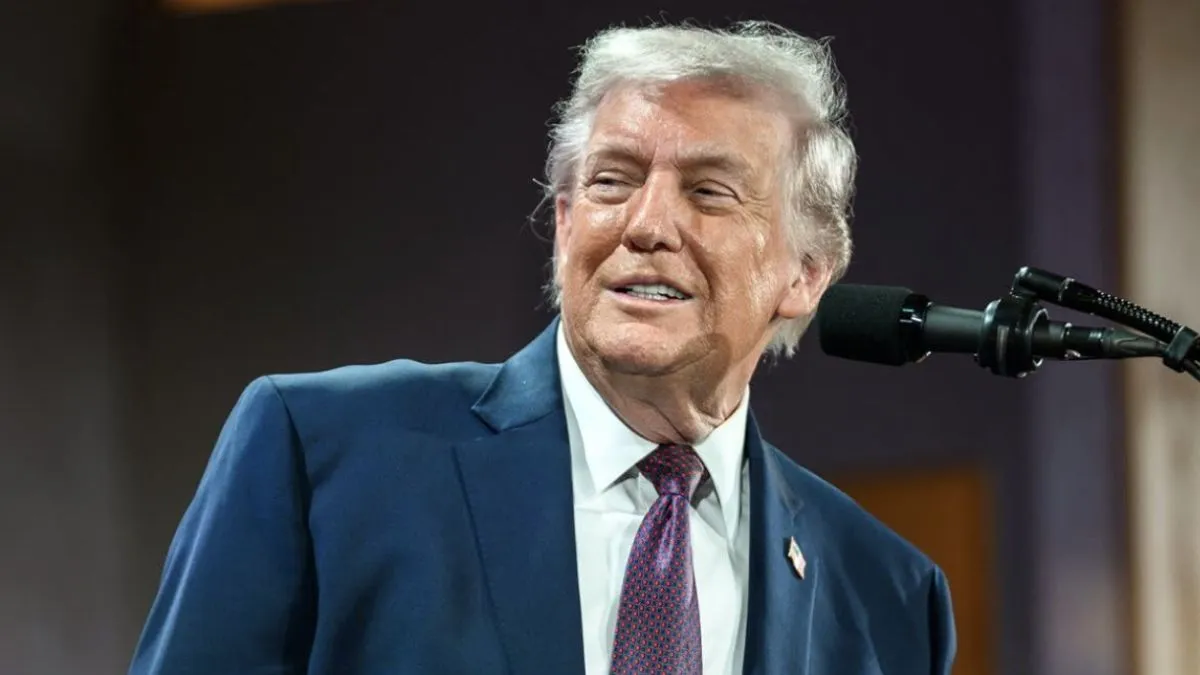
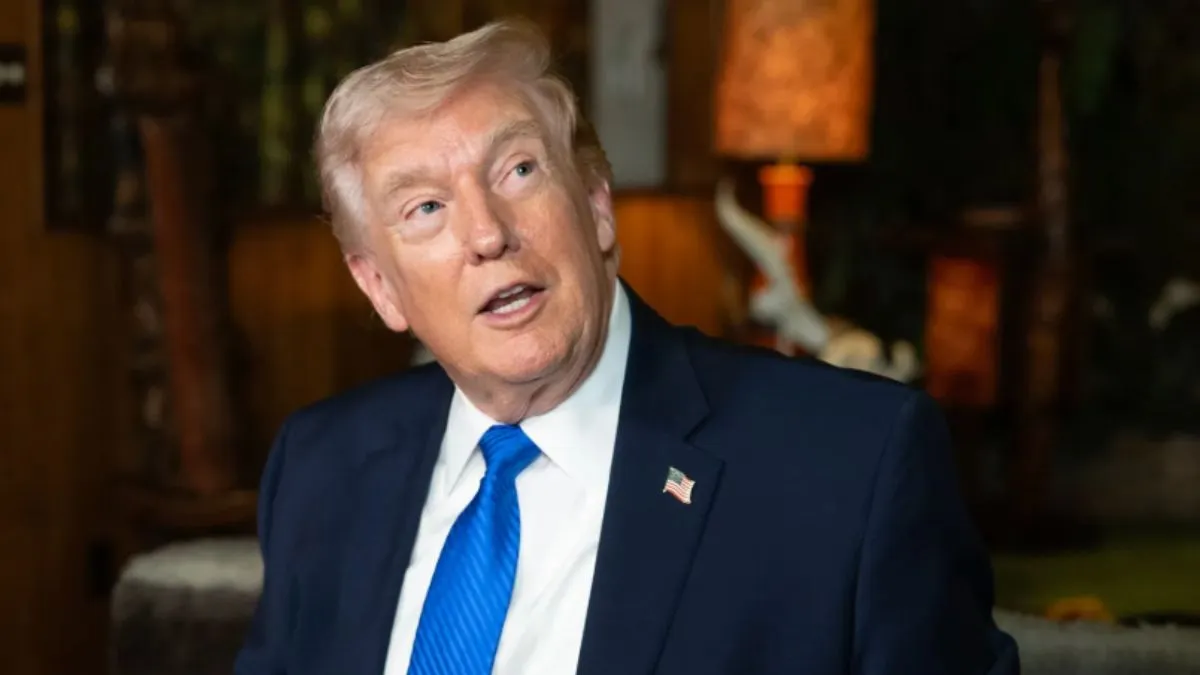
Spy Magazine founders Kurt Andersen and Greydon Carter explained in a 2016 interview with NPR that the experiment sought to reveal Trump's need to 'win' in business, even in insignificant situations. The journalists recalled having several exchanges with Trump in the past, including threats of lawsuits. The experiment has become an anecdote that has generated various interpretations about the character and priorities of the former president.

The online reaction was immediate and varied, with many users expressing surprise and humor at the news. On platforms like X, users shared their opinions, with some describing the event as 'one of the best experiments in history' and others questioning Trump's attitude.

Trump has neither publicly confirmed nor denied his participation in the experiment. However, the incident has generated widespread debate online and in the media. Many internet users reacted with disbelief and humor, sharing memes and sarcastic comments.

The story of Trump and the 13-cent check has become a curious anecdote, which illustrates a little-known aspect of his personal and professional life. The lack of an official statement from Trump or his administration has only fueled speculation and public interest in this unusual episode.

The Spy Magazine experiment, which took place in 1990, has resurfaced in public debate thanks to social media. On platforms like X, users have revived the story, sharing screenshots and comments. The anecdote has generated a wave of reactions, from amazement to humor, and has demonstrated the ability of social media to revitalize past events.

An X user commented: “My all-time favorite DJT (Donald J. Trump) story.” Another user added: “I've lived in NYC since the early 2000s, and the MOST satisfying journalism in town was Spy Magazine's continual roasting of Trump.” The story of the 13-cent check remains relevant today, demonstrating the lasting impact of social experiments and the public's constant attention to public figures like Donald Trump.

Spy Magazine's experiment not only exposed a curious detail about Donald Trump, but also generated a debate about the nature of wealth, the behavior of billionaires, and the importance of public image. Trump's response to the experiment, or his lack thereof, has further fueled public interest. The incident also highlights the power of satirical media and social experiments to influence public perception.

The story of the 13-cent check has become an example of how seemingly insignificant events can have a lasting impact on collective memory and public debate. The anecdote continues to be a reminder of the complexity of Donald Trump's personality and the constant attention that the public pays to him.
Editorial Note

This content has been synthesized and optimized to ensure clarity and neutrality. Based on: The Inquisitr