
Trump Tells Allies to 'Get Your Own Oil' Amid Iran Attacks
Donald Trump expresses frustration with allies not supporting the war in Iran, as the conflict drives up oil prices and global tensions.

#Donald Trump#Iran#War#Oil#International Politics
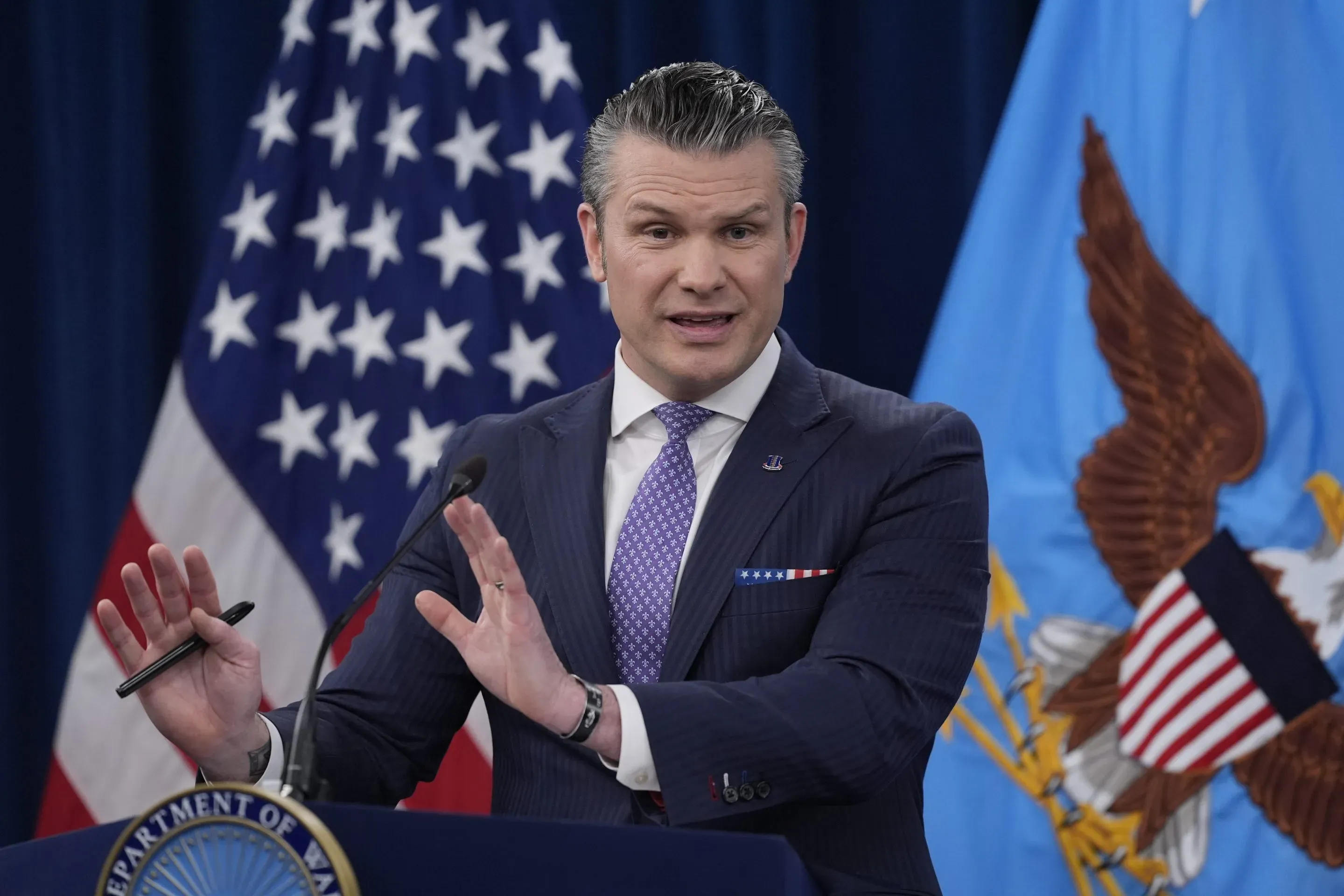
Former President Donald Trump expressed his dissatisfaction with allied countries that have not provided stronger support for the war effort in Iran, suggesting they 'get their own oil.' This statement came amid the escalating conflict, marked by attacks in the central city of Isfahan and the attack on a Kuwaiti oil tanker in the Persian Gulf. Fuel prices in the United States exceeded $4 per gallon, reflecting the impact of the crisis on the domestic market. Trump, who has oscillated between diplomatic dialogue and the threat of escalating the war, shared images of the attack in Isfahan via social media.
Tension is mounting in a context where Iranian control of the Strait of Hormuz, through which a fifth of the world's oil transits, has driven up crude oil prices. The Brent barrel, an international benchmark, stood at around $107, an increase of more than 45% since the war began on February 28. Trump directed his criticism at countries such as the United Kingdom and France, which have refused to participate in a war without a clear end and without being consulted. In his message, Trump emphasized the need for these countries to assume their own defense, anticipating less assistance from the United States.
Tension is mounting in a context where Iranian control of the Strait of Hormuz, through which a fifth of the world's oil transits, has driven up crude oil prices. The Brent barrel, an international benchmark, stood at around $107, an increase of more than 45% since the war began on February 28. Trump directed his criticism at countries such as the United Kingdom and France, which have refused to participate in a war without a clear end and without being consulted. In his message, Trump emphasized the need for these countries to assume their own defense, anticipating less assistance from the United States.
Former President Trump specifically singled out France for not allowing U.S. military aircraft to fly over its territory while transporting supplies to Israel. Although France authorizes the use of the Istres base, in the south of the country, it demands guarantees that the aircraft will not participate in attacks. Spain, for its part, has closed its airspace to U.S. planes involved in the conflict, it was reported on Monday. Italy has also shown reluctance, refusing to allow the use of the Sigonella air base, in Sicily, for an operation related to the offensive, according to local sources.
Italian Defense Minister Guido Crosetto stated on X that Italy still allows the use of its bases, denying any cooling in bilateral relations. These actions reflect a growing division among the traditional allies of the United States in the management of the Iranian crisis. The position of these countries demonstrates a lack of consensus on the strategy to be followed and the scope of the military intervention, which complicates efforts to reach a diplomatic solution.
Italian Defense Minister Guido Crosetto stated on X that Italy still allows the use of its bases, denying any cooling in bilateral relations. These actions reflect a growing division among the traditional allies of the United States in the management of the Iranian crisis. The position of these countries demonstrates a lack of consensus on the strategy to be followed and the scope of the military intervention, which complicates efforts to reach a diplomatic solution.
In Iraq, the kidnapping of American journalist Shelly Kittleson in Baghdad was reported, while Iraqi security forces are pursuing the captors. Al-Monitor, a regional media outlet, confirmed that Kittleson is a regular contributor and expressed alarm over the incident. The journalist has extensively covered the region, especially from Syria and Iraq. The U.S. State Department is closely monitoring the situation. At the same time, it was reported that the Iranian Nobel Peace Prize laureate, Narges Mohammadi, may have suffered a heart attack in prison.
According to her supporters, Mohammadi, who has been imprisoned for her activism in favor of women's rights and democracy, was found unconscious in Zanjan prison. Despite her medical history and the obvious signs of a heart attack, the authorities refused to transfer her to a hospital or allow her to see a specialist, according to the campaign for her release. These incidents highlight the instability in the region and the difficult situation of human rights defenders in Iran.
According to her supporters, Mohammadi, who has been imprisoned for her activism in favor of women's rights and democracy, was found unconscious in Zanjan prison. Despite her medical history and the obvious signs of a heart attack, the authorities refused to transfer her to a hospital or allow her to see a specialist, according to the campaign for her release. These incidents highlight the instability in the region and the difficult situation of human rights defenders in Iran.
Trump warned that, if a ceasefire is not reached and the Strait of Hormuz is not reopened, the United States could expand its offensive, including attacks on Kharg Island, an oil export hub, and possibly desalination plants. Defense Secretary Pete Hegseth did not confirm whether U.S. ground forces would be deployed. A ground invasion could generate adverse reactions among the Iranian population, which demonstrated massively against the government earlier this year.
An anti-government Iranian activist stated that he would join the army if the threats of occupation are implemented. Attacks have intensified, with Israel and the United States launching bombings against Iran. The Israeli army attacked Hezbollah infrastructure in Beirut. An Iranian drone hit a Kuwaiti oil tanker in Dubai, while explosions were heard in Israel and Saudi Arabia intercepted missiles. The number of victims amounts to more than 1,900 in Iran, 19 in Israel, and dozens in the Gulf states and the West Bank. In Lebanon, more than 1,200 deaths and more than one million displaced are reported, including 13 U.S. military personnel.
An anti-government Iranian activist stated that he would join the army if the threats of occupation are implemented. Attacks have intensified, with Israel and the United States launching bombings against Iran. The Israeli army attacked Hezbollah infrastructure in Beirut. An Iranian drone hit a Kuwaiti oil tanker in Dubai, while explosions were heard in Israel and Saudi Arabia intercepted missiles. The number of victims amounts to more than 1,900 in Iran, 19 in Israel, and dozens in the Gulf states and the West Bank. In Lebanon, more than 1,200 deaths and more than one million displaced are reported, including 13 U.S. military personnel.
The conflict in Iran and its surroundings has generated a crisis with profound economic and humanitarian ramifications. The rise in oil prices, caused by instability in the Strait of Hormuz and attacks on energy infrastructure, is affecting global markets and raising the cost of living. The situation in Lebanon and Gaza has deteriorated significantly, with thousands dead and displaced.
The war has disrupted the supply of oil and natural gas, leading to market volatility. Geopolitical tensions between the United States, Iran, and its allies have increased, complicating efforts for a peaceful solution. The international community faces a major challenge in mediating the conflict and preventing an escalation that could have devastating consequences for the region and the world.
The war has disrupted the supply of oil and natural gas, leading to market volatility. Geopolitical tensions between the United States, Iran, and its allies have increased, complicating efforts for a peaceful solution. The international community faces a major challenge in mediating the conflict and preventing an escalation that could have devastating consequences for the region and the world.
Related Stories
OMNI•4 min•
OMNI•3 min•