Prometu News LogoNews
© 2026 Prometu NewsPowered by Prometu, Inc.
Politics4 min...

Trump Considers US Exit from NATO: Is the Alliance in Jeopardy?

Listen
Share

Donald Trump is strongly considering pulling the United States out of NATO, raising uncertainty about the military alliance's future.

OMNI
OMNI
#Donald Trump#NATO#International Politics#US Relations#Security
Trump Considers US Exit from NATO: Is the Alliance in Jeopardy?

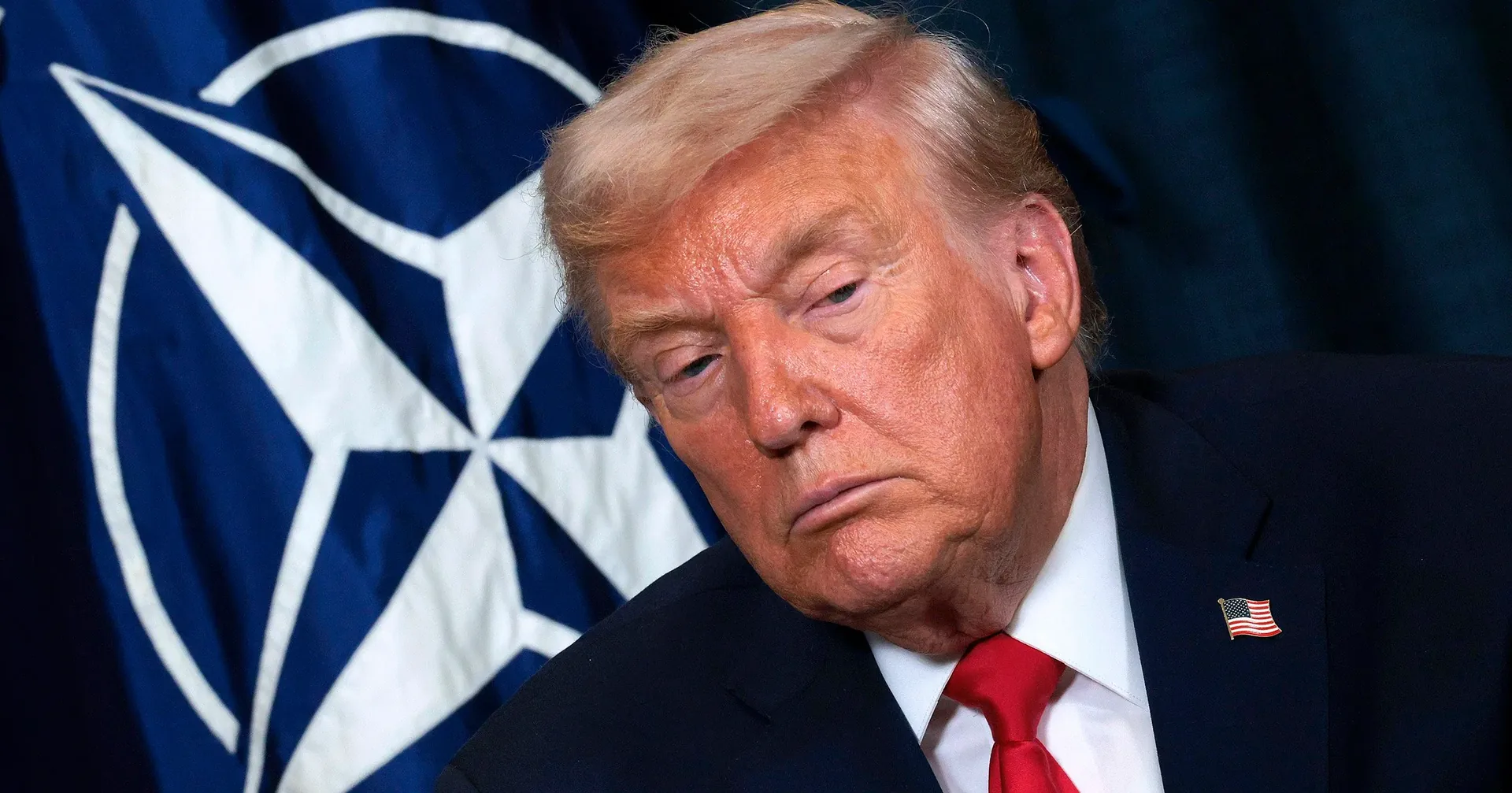
Former President Donald Trump has expressed his discontent with NATO, describing it as a 'paper tiger' and lamenting the alleged lack of support from the alliance during tensions with Iran. In an interview with The Telegraph, Trump harshly criticized the military organization, questioning its effectiveness and relevance in the current geopolitical context. These statements have raised concerns among allies and have reignited the debate about the United States' commitment to European security.
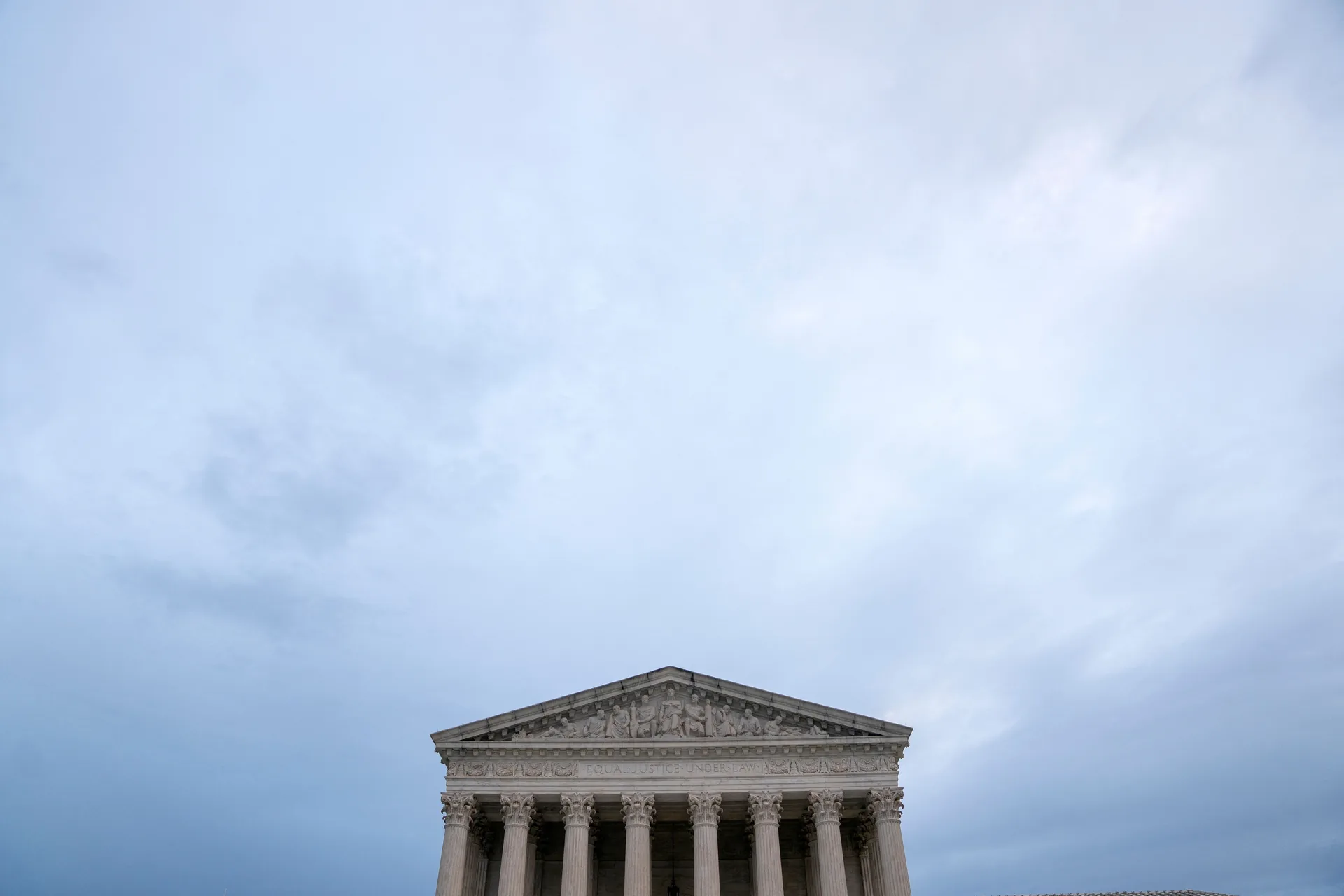
Trump Considers US Exit from NATO: Is the Alliance in Jeopardy? - Image 1


In addition to questioning NATO's usefulness, Trump also lashed out at the United Kingdom, stating that 'they don't even have a Navy'. These direct criticisms of a key ally have further strained transatlantic relations and raised questions about Trump's vision regarding defense and international security.


Secretary of State Marco Rubio has warned that the United States could 'reexamine' its relationship with NATO once the conflict in the Middle East concludes. In statements to Fox News, Rubio expressed the US administration's frustration over the alleged blocking of European countries from using their military bases by the US.

Rubio questioned the reason for the United States' continued membership in NATO if, according to him, European allies refuse to collaborate in critical moments. This stance reflects a growing feeling in some sectors of the US government that NATO is not fulfilling its obligations and that it is necessary to review the terms of the alliance. Rubio's warning has added more uncertainty to NATO's future and has intensified the debate about the need for internal reform.

In response to Trump's comments, Sir Keir Starmer stated that the conflict in the Middle East 'is not our war' and that the United Kingdom will not be drawn into it. Starmer advocated for a de-escalation in the region and for the reopening of the Strait of Hormuz, a vital route for energy supply.

The Labor leader stressed that the most effective way to support the cost of living in Britain is to promote stability in the Middle East and ensure the flow of energy. These statements reflect a cautious stance by the United Kingdom and a desire to avoid further involvement in the regional conflict. Starmer's response contrasts with Trump's rhetoric and highlights the differences in approach between the two countries on foreign policy matters.

Donald Trump's recent statements about NATO have sparked an intense debate about the military alliance's future and the United States' commitment to European security. Analysts and experts in international politics have expressed concern about the impact these statements could have on NATO's cohesion and credibility.

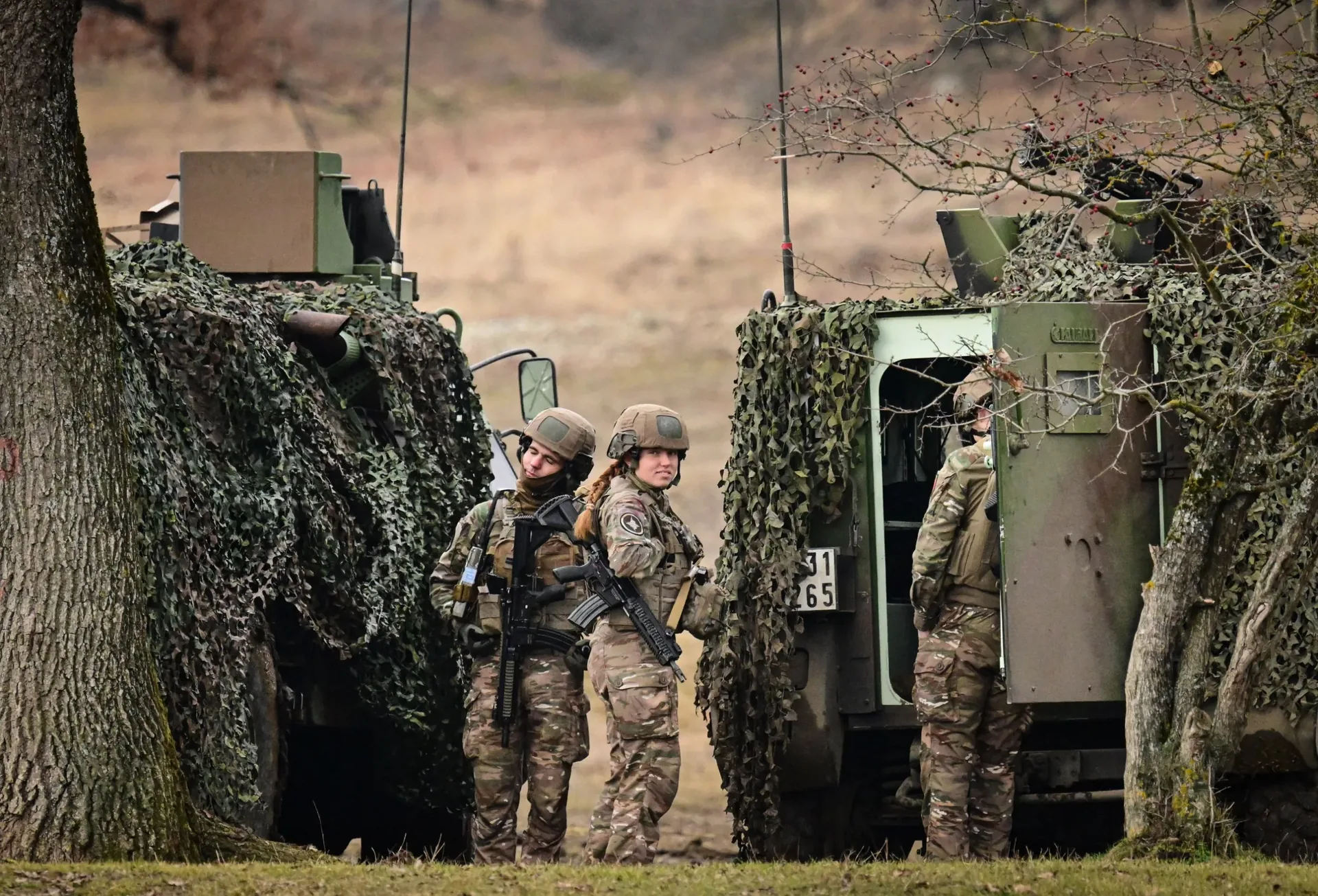
Some fear that a possible withdrawal of the United States from the alliance would weaken the ability to respond to external threats and would jeopardize stability in Europe. Others argue that it is necessary to reform NATO and adapt it to the new challenges of the 21st century, but that the departure of the United States is not the solution. The debate is open and NATO's future remains uncertain.

The eventual departure of the United States from NATO could have far-reaching consequences on the global geopolitical landscape. A reduced involvement of the United States in European security could open the door to greater influence from other powers, such as Russia or China. In addition, it could encourage other countries to question their membership in NATO and to seek alternative alliances.

The reconfiguration of the world order that could result from a withdrawal of the United States from NATO raises questions about the future of international security and global stability. It is crucial that world leaders address this issue with seriousness and responsibility, seeking solutions that guarantee peace and security for all.
Editorial Note

This content has been synthesized and optimized to ensure clarity and neutrality. Based on: Metro