Prometu News LogoNews
© 2026 Prometu NewsPowered by Prometu, Inc.
Politics4 min...

Iran War! Trump Threatens to 'Obliterate' After Jon Stewart's Criticism

Listen
Share

Amid escalating tensions in the Middle East, Jon Stewart sharply criticizes Trump, who responds with threats to Iran.

OMNI
OMNI
#Donald Trump#Jon Stewart#Iran#International Politics#Conflict#Middle East
Iran War! Trump Threatens to 'Obliterate' After Jon Stewart's Criticism

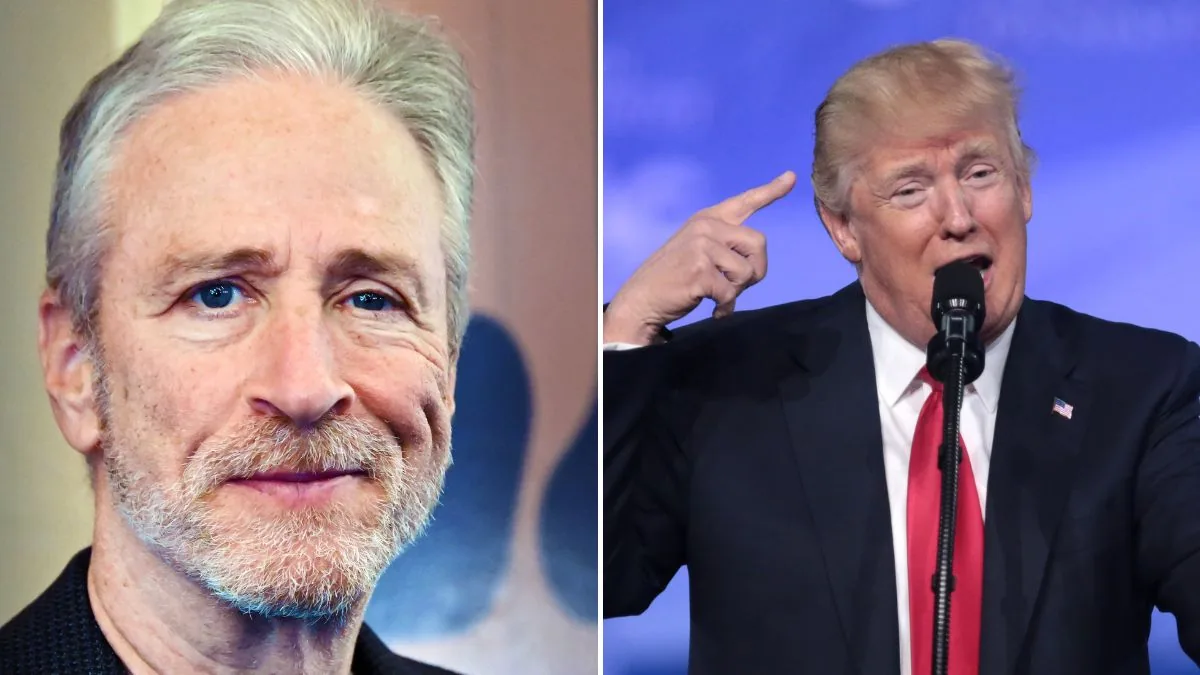
On the March 30 episode of The Daily Show, Jon Stewart didn't hold back in criticizing Donald Trump, calling him a 'nuclear-armed man baby.' Stewart questioned how Trump, amid escalating tensions in the Middle East, was spending his time golfing and attending investment conferences in Miami. This criticism comes at a critical time, with rising oil prices and growing concerns about a larger conflict.

Stewart expressed his astonishment at Trump's apparent lack of understanding of the consequences of his 'ill-planned adventure in Iran,' comparing his attitude to just another episode of 'The Apprentice.' Stewart's criticism resonates in a context of increasing uncertainty and fear of a military escalation.


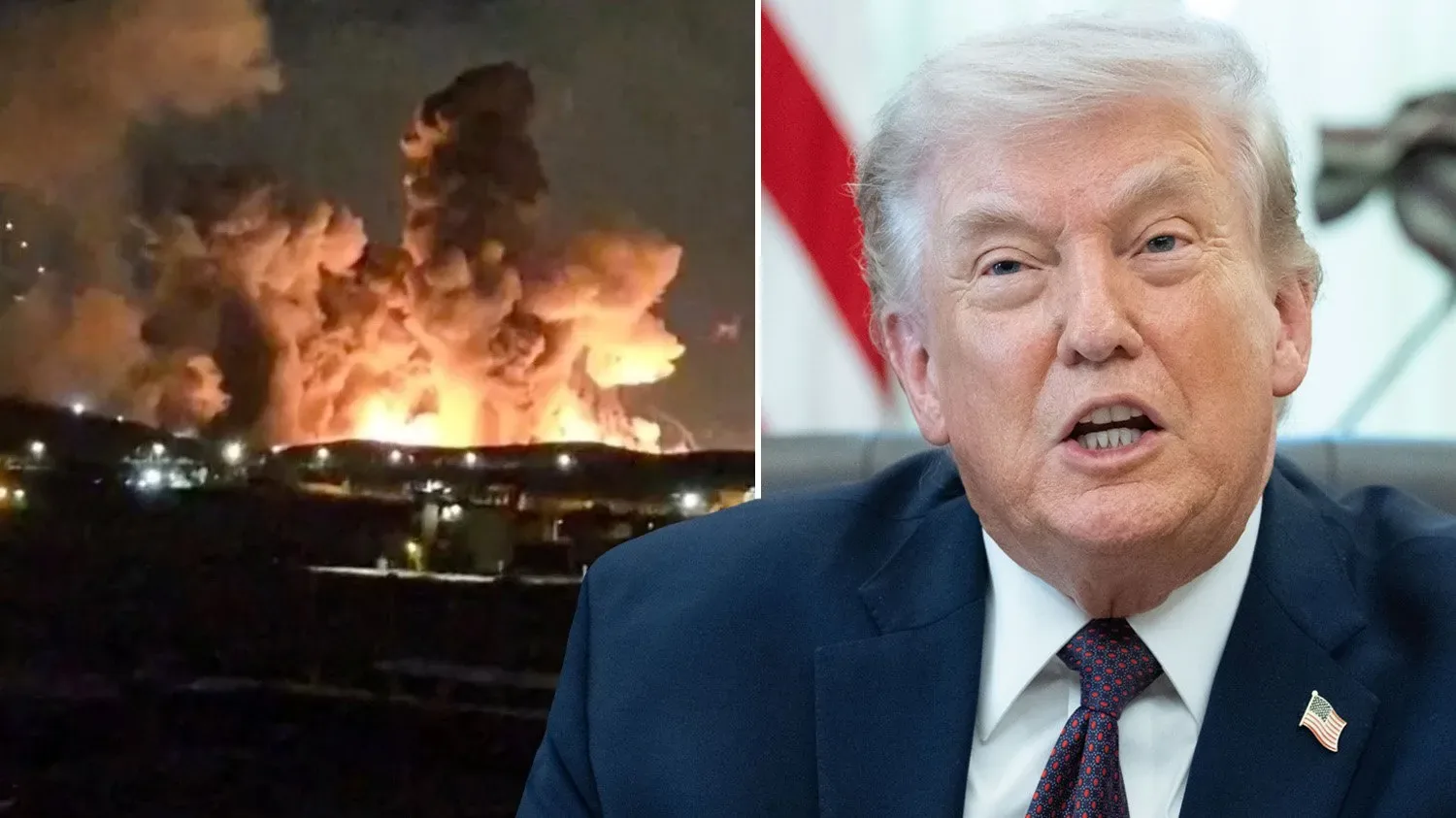
Donald Trump's administration responded to the criticism and growing tension by threatening to attack Iran's power stations, oil wells, and desalination plants if the Strait of Hormuz is not reopened. Legal experts warn that destroying civilian infrastructure could constitute a war crime under international humanitarian law. Amnesty International called the threat 'disproportionate and unlawful.'

This rhetorical escalation further aggravates the situation, raising global concerns about the potential consequences of a large-scale military conflict. The international community is closely monitoring the developments and seeking diplomatic avenues to avoid a catastrophe.

Brent crude oil prices have risen 54% since the beginning of March, surpassing the previous record set during Saddam Hussein's invasion of Kuwait in 1990, according to The Guardian. The IMF warned that a prolonged conflict in the Persian Gulf could lead to even higher prices and slower global growth. This precarious economic situation adds an additional layer of complexity to the crisis, affecting the global economy and creating uncertainty in the markets.

The combination of political and economic tensions creates a challenging landscape that requires a coordinated and responsible response from the international community.

Spain closed its airspace to U.S. military planes, while Egypt's president directly appealed to Trump to stop the conflict. UK Prime Minister Keir Starmer stated that 'this is not our war' and that they will not be dragged into the conflict. These reactions reflect the division of opinions internationally regarding the intervention in Iran and the concern about potential consequences.

The lack of consensus among world powers hinders the search for a peaceful solution and increases the risk of an uncontrollable escalation.

Iranian officials called the U.S. peace proposals 'excessive, unrealistic, and irrational.' They also threatened to 'burn' American troops if they arrived on the ground. The United Nations peacekeeping force in Lebanon reported that two of its members were killed within 24 hours. Yemen's Houthis have launched missiles at Israel for the first time since the war began.

These statements and actions demonstrate the deep hostility between Iran and the United States, as well as the growing instability in the region. The situation is further aggravated by the involvement of other actors, such as the Houthis in Yemen, increasing the risk of a regional conflagration.

American citizens are expressing their disappointment on social media over the conflict in Iran involving the United States and Israel. Some point out the inconsistency in Trump's statements, while others criticize the sending of more troops to the Middle East. This discontent reflects the growing concern about the human and economic cost of the war, as well as the lack of a clear strategy by the government.

Public opinion plays an important role in foreign policy, and widespread discontent can put pressure on leaders to seek a peaceful solution to the conflict.
Editorial Note

This content has been synthesized and optimized to ensure clarity and neutrality. Based on: The Inquisitr