Prometu News LogoNews
© 2026 Prometu NewsPowered by Prometu, Inc.
Politics4 min...

Trump Challenges Birthright Citizenship: Criticizes Judges and Historical Debate

Listen
Share

Donald Trump attacks birthright citizenship, criticizing judges and arguing about the original purpose of the policy.

OMNI
OMNI
#Donald Trump#Citizenship#Politics#Courts#United States
Trump Challenges Birthright Citizenship: Criticizes Judges and Historical Debate

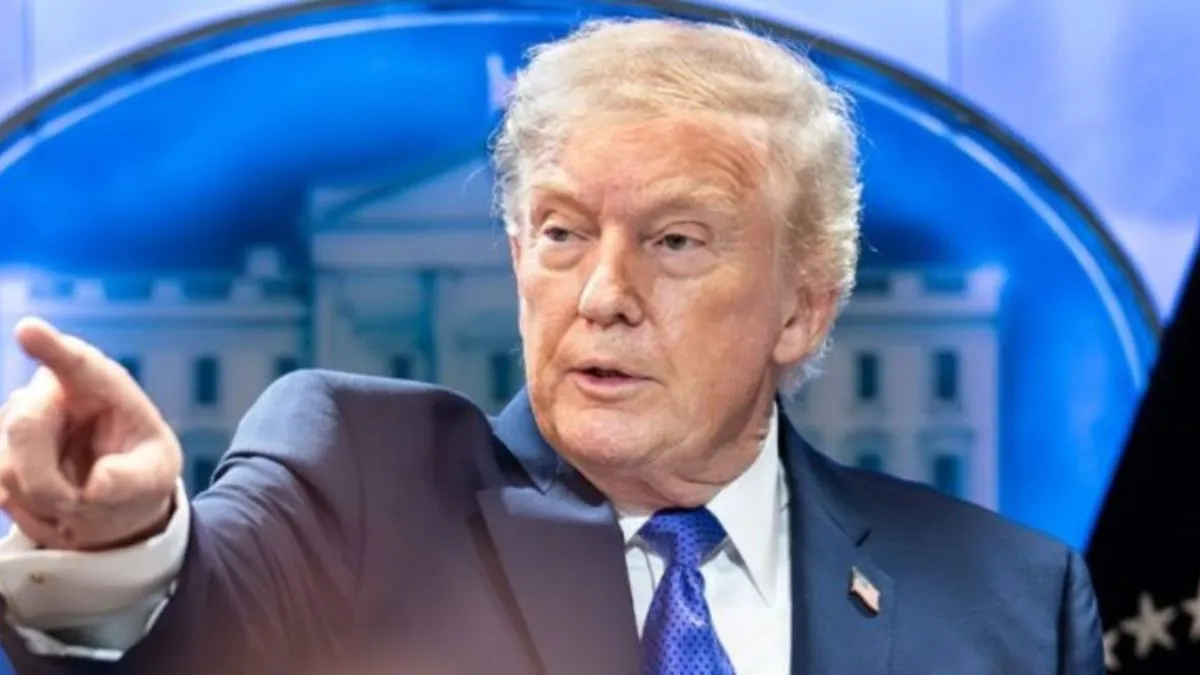
In an early-morning post on March 30, Donald Trump criticized birthright citizenship and claimed the policy was originally intended to protect the "babies of slaves." In the post, Trump argued that birthright citizenship should not apply to wealthy foreigners who come to the United States seeking citizenship for their children. Instead, he said it was intended for descendants of enslaved people.

Trump wrote on Truth Social: "Birthright Citizenship is not about rich people from China, and the rest of the world, who want their children, and hundreds of thousands more, FOR PAY, to ridiculously become citizens of the United States of America." He added: "It is about the BABIES OF SLAVES!". Trump also stated that the United States is the only country that debates the issue, pointing to the policy’s origins around the end of the Civil War.

Trump further criticized the U.S. legal system, calling some judges "stupid" and "dumb," and said their rulings place the country in a negative light. He also took aim at the Supreme Court, referencing its decision the previous month to overturn his tariff policy after ruling that the International Emergency Economic Powers Act had been misapplied.

The former president has expressed that birthright citizenship is being exploited by foreigners and strays from its original purpose tied to the Civil War. "The world is profiting from selling citizenship [in] our country while also mocking how ineffective our court system has become," he wrote.

According to The Hill, birthright citizenship stems from the Citizenship Clause of the 14th Amendment to the U.S. Constitution, ratified in 1868 after the Civil War, which guarantees equal protection under the law. The amendment followed the Supreme Court’s decision in Dred Scott v. Sandford, which held that people of African descent could not be granted U.S. citizenship, even if born in the country, according to the American Immigration Council.

The amendment states: "All persons born or naturalized in the United States, and subject to its jurisdiction, are citizens of the United States and of the state wherein they reside." The Trump administration is challenging that interpretation, arguing that the phrase "subject to its jurisdiction" applies only to children born to U.S. citizens or lawful permanent residents, excluding those born to undocumented immigrants or temporary visitors.

On January 20, 2025, the first day of his second term, Trump signed several executive orders, including one aimed at limiting birthright citizenship to children of citizens and legal residents. The policy immediately faced legal challenges. Trump, who vowed to “bring back the Golden Age of America,” said his second-term priorities include mass deportations targeting undocumented immigrants and criminals, as well as energy, tariff, and economic policies.

The Supreme Court is scheduled to hear arguments on the matter on Wednesday, and several justices across ideological lines have expressed skepticism about Trump’s position. Justice Sonia Sotomayor previously criticized the proposal, calling it an “impossible task” given existing federal law, the executive order, and historical precedent.


In recent months, critics have said Trump has placed loyal supporters in key roles across departments such as the Justice Department, the FBI, and other intelligence agencies, as well as the military. He has either dismissed or replaced several senior officials with allies.

With influence across major institutions, some critics have raised concerns about the scope of presidential authority, including whether such power could theoretically be used to invoke measures like martial law or the Insurrection Act.
Editorial Note

This content has been synthesized and optimized to ensure clarity and neutrality. Based on: The Inquisitr