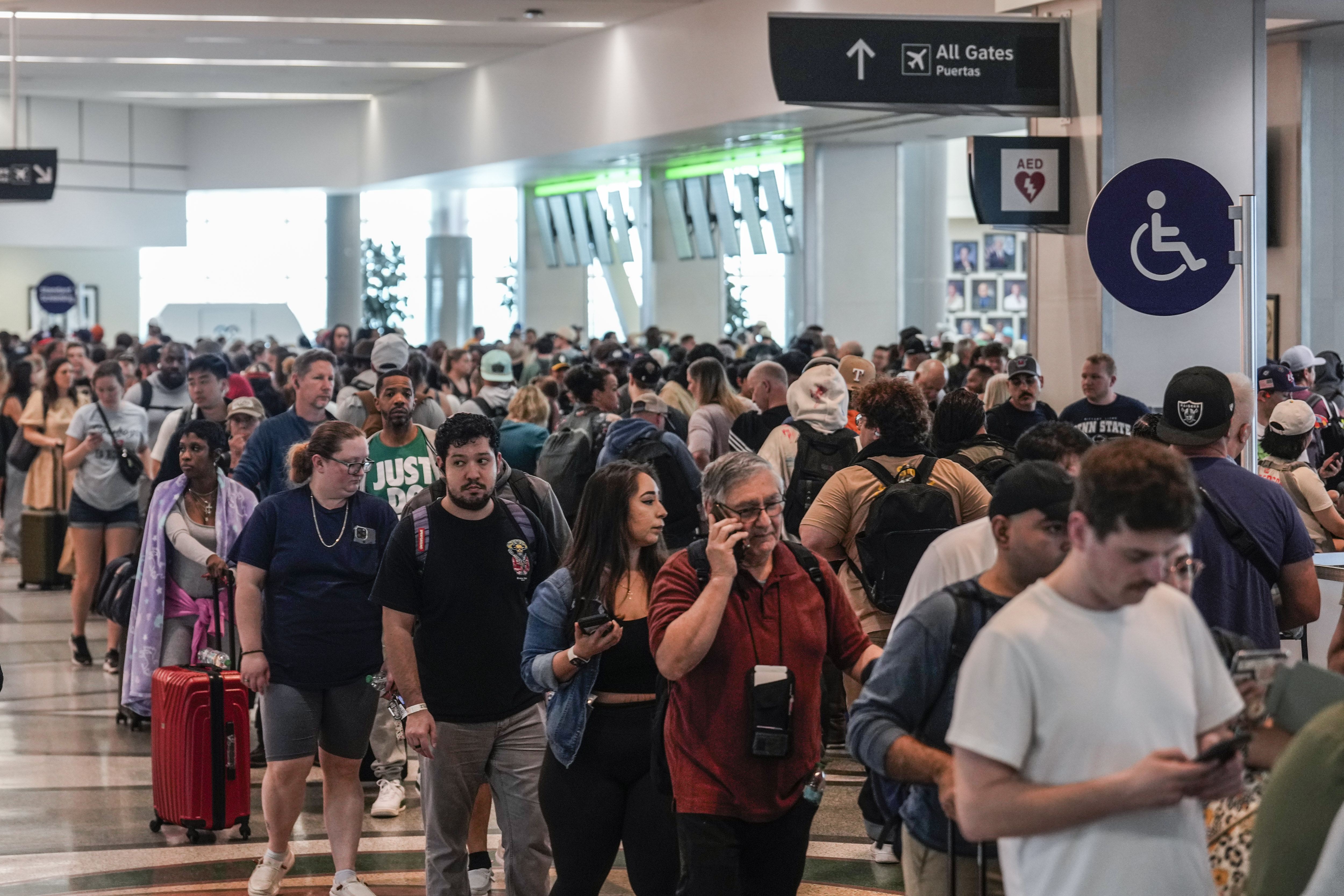
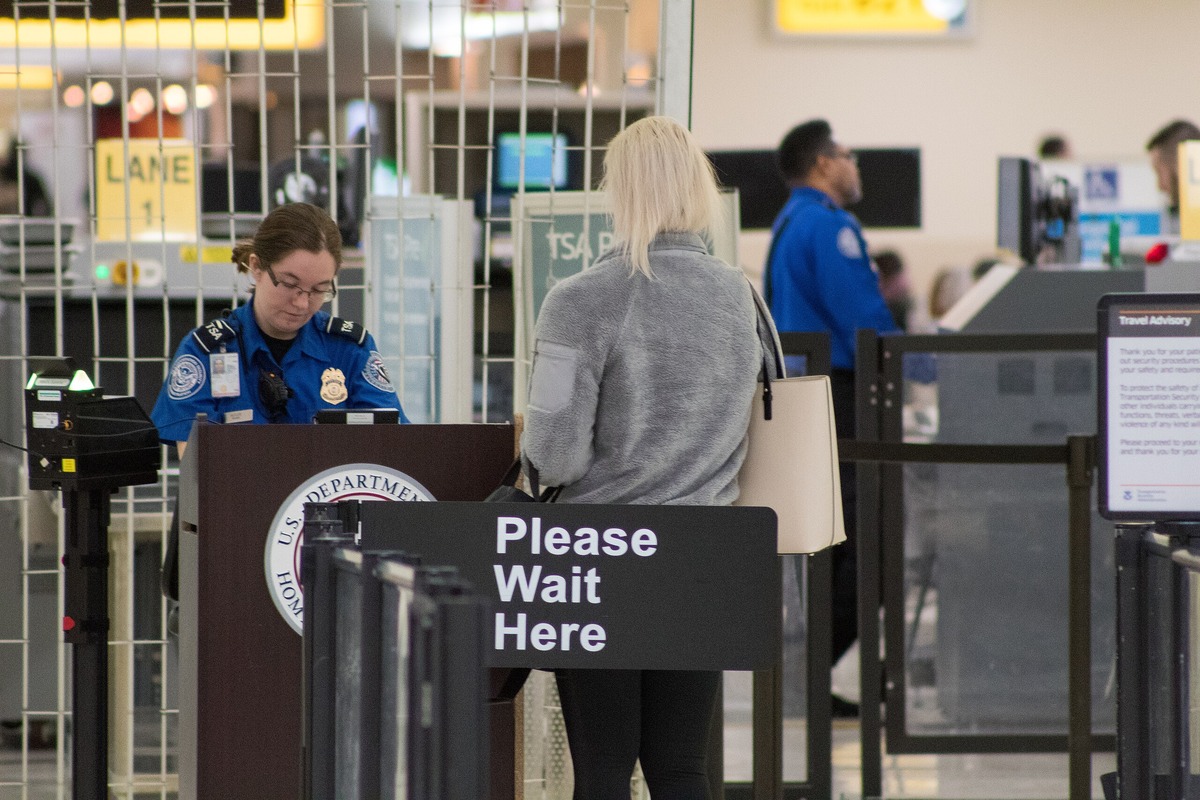
Texas finds itself at the center of the political storm tied to the partial U.S. federal government shutdown. The state's airports are experiencing some of the most severe travel disruptions in the country. Transportation Security Administration (TSA) officers have gone weeks without pay, while the national call-out rate has climbed above 11% and security wait times have reached historic levels. William P. Hobby Airport and George Bush Intercontinental Airport in Houston recorded the highest call-out rates in the country, with 43% and 39.8% respectively. Furthermore, both airports reported some of the longest wait times at TSA checkpoints, with officials warning that delays could exceed four hours.
Meanwhile, Texas senators have emerged among the more active lawmakers in Washington, pushing to resolve the TSA crisis and respond to mounting constituent concerns. Senator Ted Cruz proposed splitting the Homeland Security appropriations bill, funding and immediately reopening DHS agencies, including TSA, while later using the budget reconciliation process to increase funding for Immigration and Customs Enforcement (ICE). Senator John Cornyn, for his part, has sought to address public frustration by sponsoring a bill to end the special treatment that allows members of Congress to bypass TSA screening checkpoints at airports.
Senator Cruz, in an attempt to unlock the situation, proposed splitting the Department of Homeland Security (DHS) appropriations bill. This would involve funding and immediately reopening DHS agencies, including the TSA, subsequently using the budget reconciliation process to increase funding for Immigration and Customs Enforcement (ICE). Cruz stated that he doesn't know if Democrats will be willing to fund the DHS. On the other hand, Senator Cornyn has introduced a bill to end the special treatment that allows members of Congress to bypass TSA checkpoints at airports. Cornyn has also delivered Whataburger meals to TSA officers in Austin. According to Brandon Rottinghaus, a political science professor at the University of Houston, Cornyn's bill is 'sympathy legislation'.
Cornyn, who is up for reelection this year, faces a tough contest in May against Texas Attorney General Ken Paxton. Rottinghaus noted that Cornyn wants to present himself as a solutions-first senator, in contrast to Paxton, who prioritizes partisanship. Paxton will address the Conservative Political Action Conference (CPAC), while Cornyn is back in Washington, potentially creating a politically useful contrast.
Some Texas strategists believe the shutdown won't resonate with voters when they head to the polls. Vinny Minchillo, a Texas GOP strategist, believes voters see this as a D.C. process issue, and don't care as long as they can get through the TSA without problems. Minchillo added that it's unlikely voters will draw a connection between the long TSA lines and who they plan to support on Election Day. Matt Angle, founder of the pro-Democrat Lone Star Project in the state, agrees the issue may fade by November, but said the disruption adds to a broader sense of dysfunction under Republican control.
On the other hand, some Republicans view the issue differently, with Minchillo calling the shutdown 'a loser for the Democrats', arguing it distracts from stronger economic arguments heading into the midterms. Minchillo accused Democrats of 'tilting at any windmill' instead of focusing on economic issues like gas prices and the cost of feeding families.