Prometu News LogoNews
© 2026 Prometu NewsPowered by Prometu, Inc.
Politics4 min...

Starmer Responds to Trump: Cost of Living Impact & Iran War Address

Listen
Share

Keir Starmer to address the nation following Trump's criticism of the UK's stance on the Iran conflict.

OMNI
OMNI
#Keir Starmer#Donald Trump#Iran#Cost of Living#International Politics
Starmer Responds to Trump: Cost of Living Impact & Iran War Address

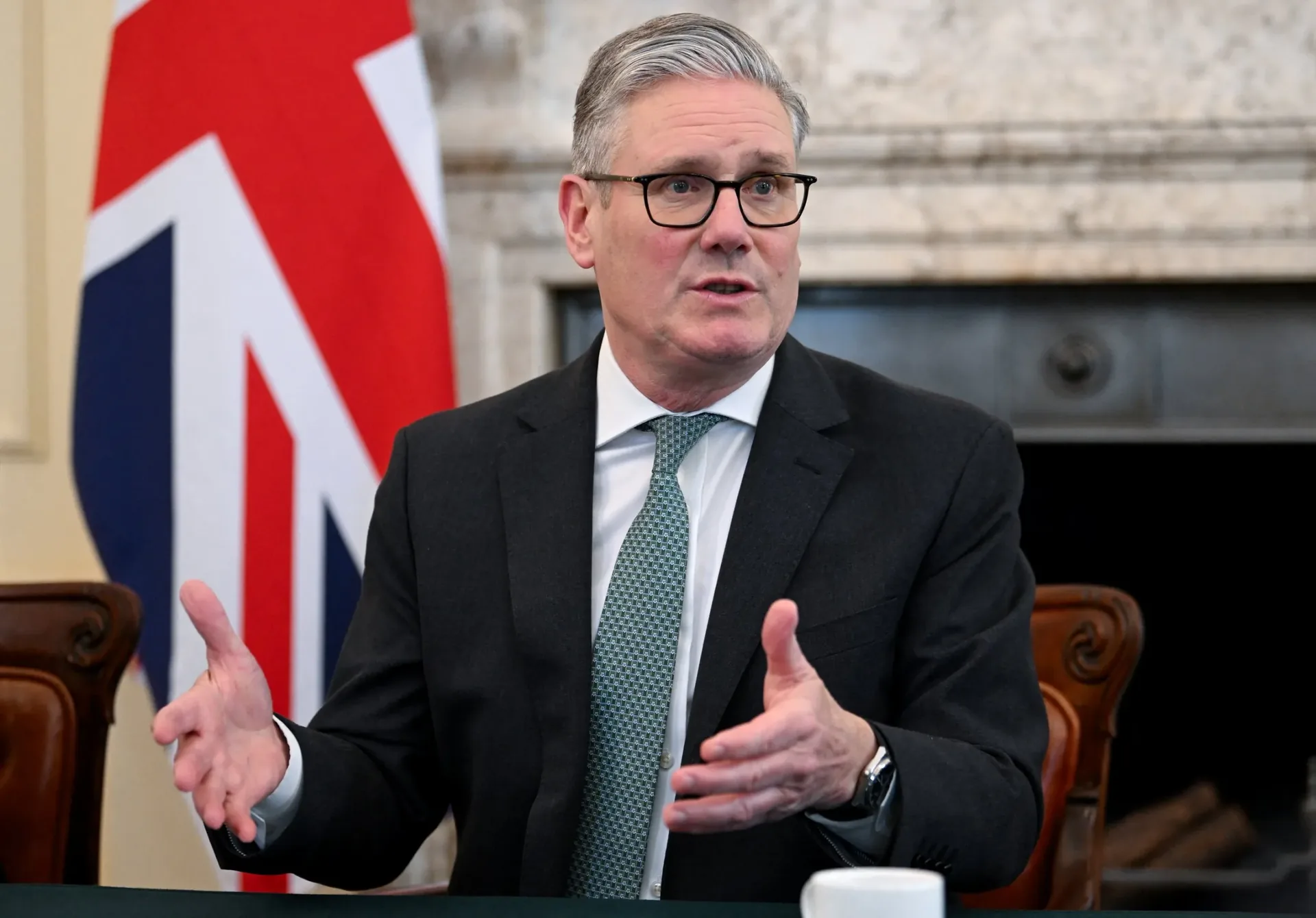
Keir Starmer is set to address the nation from Downing Street to discuss growing concerns about the war in Iran and its direct impact on citizens' cost of living. The conference comes at a critical time, following strong criticism from US President Donald Trump regarding the UK's decision not to join US-led strikes in the Middle East. Starmer is expected to detail the measures his government is considering to mitigate the economic impact of the conflict on British households.
Starmer Responds to Trump: Cost of Living Impact & Iran War Address - Image 1


This will be the third time the Prime Minister has used the Downing Street briefing room to provide an update on the situation, underscoring the seriousness with which the government is treating the crisis.

Despite the surge in oil and gas prices caused by the conflict, Starmer is expected to highlight the drop in energy bills. This is due to the decrease in Ofgem's energy price cap, set before the US and Israeli strikes on Tehran in late February. Until June 30, the cap is set at £1,641 for an average dual-fuel UK household, a 6.6% reduction from the previous quarter.

The Prime Minister will attempt to explain how this decrease is a direct result of decisions made by his government. Additionally, he is likely to mention other cost-of-living changes taking effect today, such as the increase in the National Living Wage for those aged 21 and over, and the Minimum Wage for younger people.

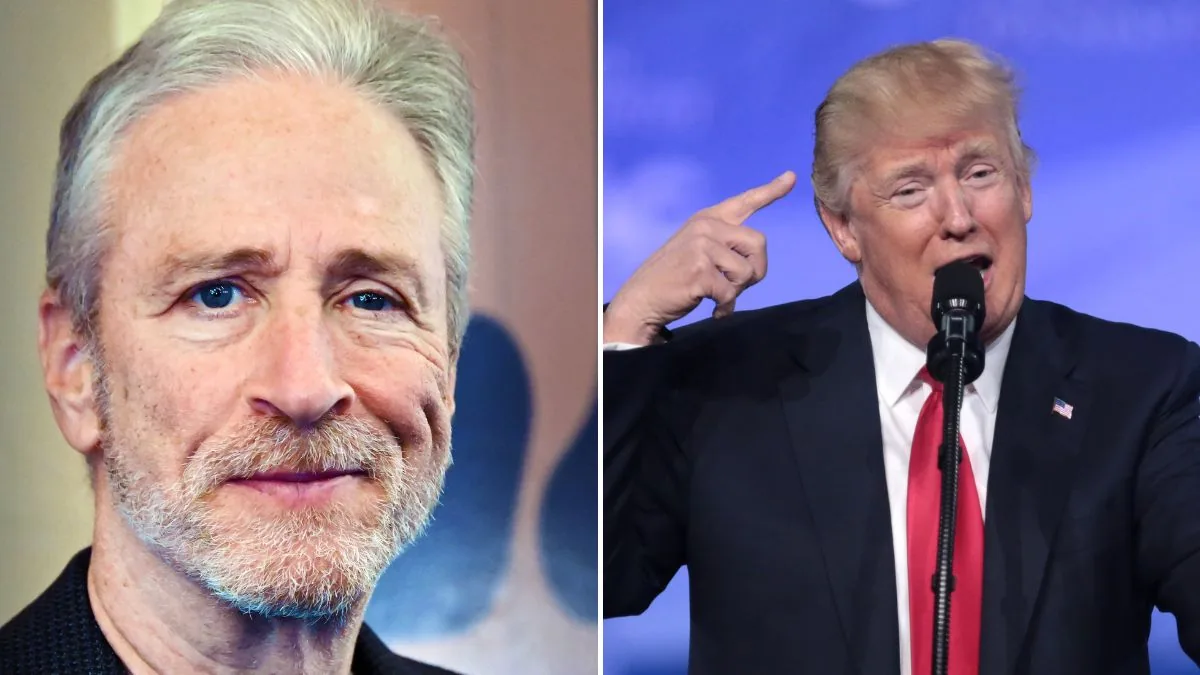
Starmer is almost certain to be questioned by journalists about Donald Trump's recent statements, who criticized the UK in a post on his Truth Social platform. The president urged countries that 'can't get jet fuel because of the Strait of Hormuz' to either buy from the US or 'muster some delayed courage, go to the Strait, and just TAKE IT'.

He added: 'You'll have to start learning how to fight for yourself, the USA won't be there to help you anymore, just like you weren't there for us.' These statements have generated controversy and pressure on the British government to respond and clarify its position on the conflict.

The war continues to drive up fuel prices, with the cost of filling a 55-litre family car with diesel exceeding £100. According to figures from the RAC, the average diesel price at UK forecourts has risen 40p since the conflict began, reaching £182.8 per litre. The average cost of petrol, meanwhile, has risen 20p to 152p per litre.

Chancellor Rachel Reeves, speaking on BBC Breakfast, noted that she had to be 'careful' with cuts to fuel duty or VAT on petrol, as this could increase inflation. Reeves also mentioned that any future government support for households should be based on income.

Reeves emphasized the need to learn from past lessons, noting that when Russia invaded Ukraine, the wealthiest third of households received more than a third of the total support. She argued that this makes no sense and that any future aid should be directed more equitably. Reeves' stance reflects a concern to avoid policies that disproportionately benefit the wealthy in times of crisis.

Starmer's conference is presented as a crucial moment for the British government to define its strategy in the face of the crisis in Iran and its economic implications, as well as to respond to Donald Trump's criticism and reaffirm its position on the international stage.
Editorial Note

This content has been synthesized and optimized to ensure clarity and neutrality. Based on: Metro