Prometu News LogoNews
© 2026 Prometu NewsPowered by Prometu, Inc.
Politics3 min...

Northern Marianas Residents Oppose US Military Expansion

Listen
Share

Northern Mariana Islands residents demand that US authorities halt the expansion of military activities in the region, citing environmental and public participation concerns.

OMNI
OMNI
#United States#Military#Environment#Politics
Northern Marianas Residents Oppose US Military Expansion

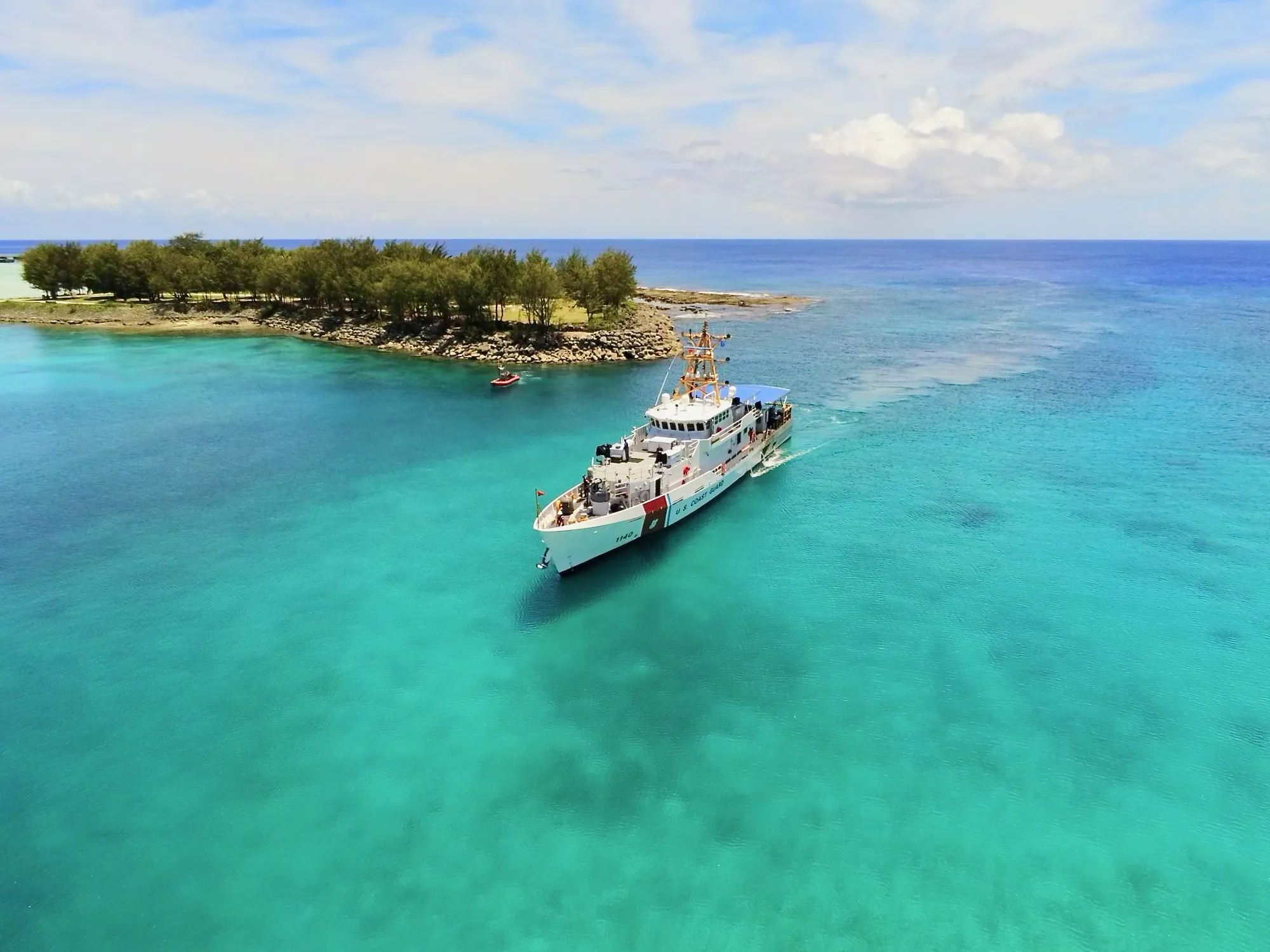
Residents across the Northern Mariana Islands, including Saipan, Tinian, and Rota, have urged US officials to halt the expansion of military activities in the region. The opposition is based on deficiencies in the analysis presented in a draft environmental assessment document. The proposal, outlined under the Pentagon’s Mariana Islands Training and Testing Supplemental Environmental Impact Statement (SEIS), would allow the continuation and increase of military training and weapons testing throughout the US territory’s airspace and waters.

Brian Whitehouse, an environmental planner for the US Pacific Fleet, argued that the expansion is crucial to prepare warfighters in realistic scenarios for “an urgent situation or an act of aggression at any moment”, according to RNZ. This position contrasts with the growing concerns of the local community.

During recent public meetings discussing the SEIS, community speakers called for a “no-action alternative,” highlighting inadequate outreach and raising concerns over scheduling, accessibility, and compliance with federal requirements. Mona Manglona, a representative from Rota, criticized the draft and associated consultation process, as well as the scale of the proposed operations.

“You have produced a 724-page document,” RNZ quoted Manglona as saying. “You barely have given us time to read the document, let alone meaningfully engage and understand it.” The community feels that the process is neither transparent nor participatory, which generates distrust in the military authorities.


Manglona emphasized that the lack of community participation is a “deception” and an “injustice to our people”. In addition, the magnitude of the proposed activities is questioned, including between 1,900 and 2,000 annual bombing activities. The community also criticizes the way the US military characterizes the impacts as “stressors”, minimizing their real effects.

The lack of transparency and the scale of the proposed operations have generated strong opposition from local residents, who demand a more thorough assessment of the environmental impacts and more meaningful participation in the decision-making process.

Commonwealth 670, a Saipan-based advocacy group, noted that the SEIS draft fails to adequately consider cumulative impacts amid worsening climate conditions. The non-profit also highlighted data gaps affecting marine life sensitive to sonar, warning that increased activity, including a tenfold rise in air defense exercises and the expansion of submarine operations, marks “a significant escalation in an already stressed environment”.

Theresa Arriola, chairperson and co-founder at Commonwealth 670, stated that, “Since the previous approvals in 2015 and 2020… our region has experienced repeated coral bleaching, rising ocean temperatures, and increasing ecosystem stress”. The community demands a more comprehensive assessment of the environmental impacts.

The public comment period on the SEIS remains open, and feedback will influence the final environmental review, which is scheduled for 2027. The military plans to extend activities past July of that year. The community hopes that their concerns will be taken into account to mitigate potential environmental impacts and ensure fairer participation in the decision-making process.

The community’s opposition highlights the importance of transparency, public participation, and consideration of cumulative environmental impacts in military decisions.
Editorial Note

This content has been synthesized and optimized to ensure clarity and neutrality. Based on: The Defense Post