PrometuNews
© 2026 Prometu NewsPowered by Prometu, Inc.
Politics5 min...

GOP Intensifies Calls to Exclude Undocumented Children from Public Schools

Listen
Share

The Republican Party is pushing initiatives to overturn the historic Plyler v. Doe decision, potentially denying undocumented children access to free public education.

OMNI
OMNI
#immigration#education#politics#United States
GOP Intensifies Calls to Exclude Undocumented Children from Public Schools

The debate over the education of undocumented children in the United States has escalated, with the Republican Party leading the charge to reverse the Supreme Court's decision in Plyler v. Doe. This 1982 decision guarantees the right to a free public education for undocumented children. The talks have stretched from Republican states like Tennessee to the White House, accelerating an immigration crackdown in education that began at U.S. universities with foreign students who struggled to get visas or were arrested for their political activism.

At a House Judiciary subcommittee hearing this month, Republican lawmakers argued that the Supreme Court had no right to make that decision and that the additional cost of undocumented immigrants in schools was a burden on taxpayers. Representative Chip Roy (R-Texas) stated that it is time to overturn Plyler v. Doe and for Congress and the courts to address the failures of this judicial decision to alleviate the burden on Texans and Americans. Data on the learning difficulties that undocumented students may experience "should prompt a broader discussion about the demands placed on schools and educators who must use limited resources meant for American students by American taxpayers to help immigrant children achieve proficiency standards," Roy added.

The New York Times reported that Stephen Miller, former White House deputy chief of staff, suggested in a meeting with Texas lawmakers that they should consider ending funding for undocumented children in schools. A 2023 analysis by the Center for Immigration Studies estimated that in 2021, 3.2 million children in public schools came from households headed by an undocumented immigrant, although there is no precise data on the total number of undocumented students in classrooms.

Tennessee is leading the initiative with a bill that would require proof of immigration status for school enrollment. While undocumented students will still be allowed to attend classes, schools will have to provide data on the number of students who could not provide proof of legal status to the state. Republicans removed a part of the bill that would have charged undocumented families for their children's education.

Matthew O’Brien, deputy executive director of the Federation for American Immigration Reform, stated that the Plyler v. Doe decision is an example of judicial overreach. In his opinion, the Supreme Court usurped Congress's authority over immigration and restricted state control over educational resources, imposing fiscal and operational burdens on school systems. O’Brien added that efforts to overturn Plyler are an attempt to restore balance in the consideration of educational rights and Congress's authority over immigration.

Republicans are seeking to bring more cases to the Supreme Court in the hope that the conservative majority will rule in their favor, including overturning their own precedents. Muzaffar Chishti, a senior fellow at the Migration Policy Institute, noted that the Plyler case could be related to the birthright citizenship case, which will be debated in the Supreme Court, and that a decision against citizenship for those born to undocumented parents could further encourage the overturning of Plyler.

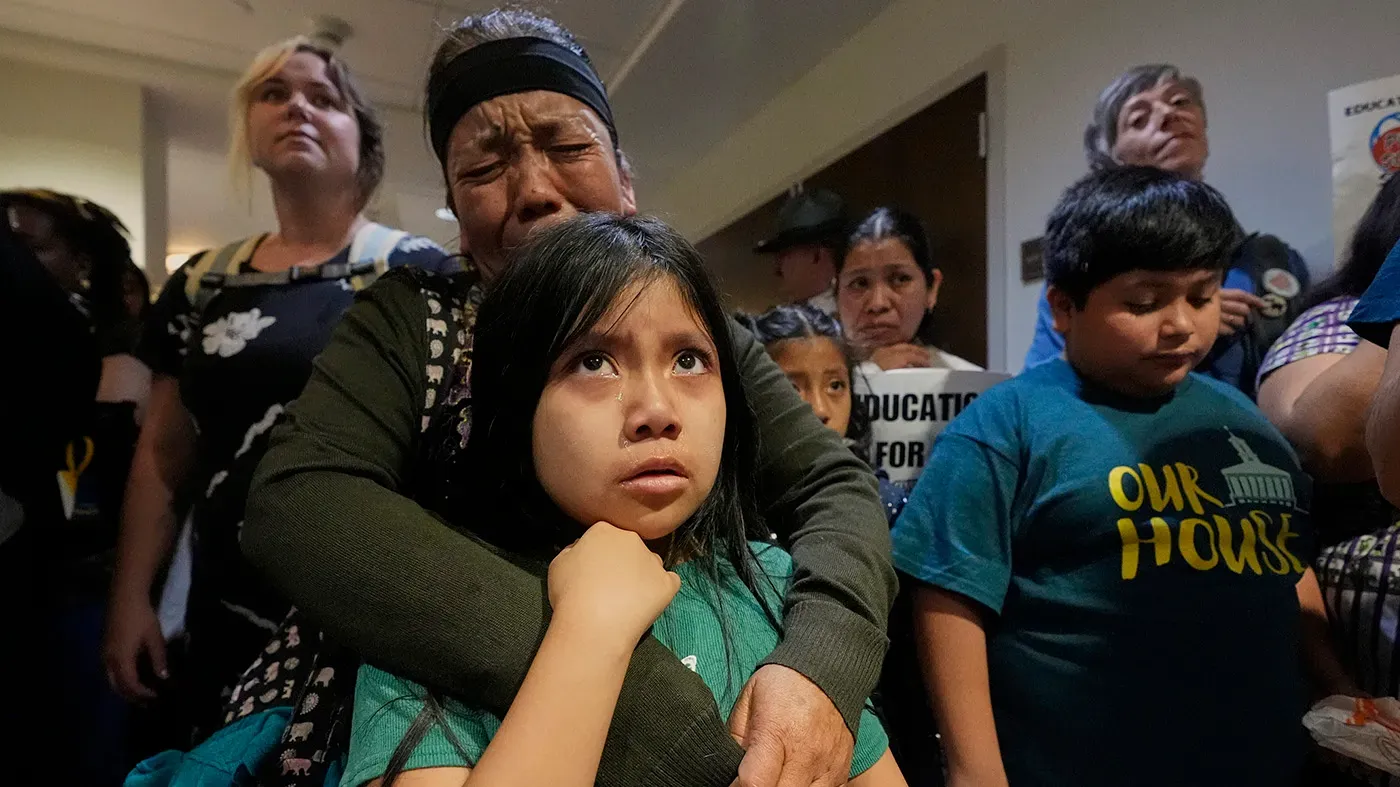
Those who oppose overturning Plyler argue that it would not reflect the values of society and could harm schools at a time when they are already struggling with chronic absenteeism. For many schools, funding is tied to attendance, and a decrease in the number of students could affect the education of all who attend.

Chisht noted that the decline in the native population in the United States and the arrival of immigrant children can be beneficial for schools. The Trump administration has moved towards K-12 schools amid its immigration crackdown, lifting an Immigration and Customs Enforcement (ICE) policy that kept agents out of schools. Since then, multiple incidents of parents or teachers being arrested by ICE near or on school property have been recorded.

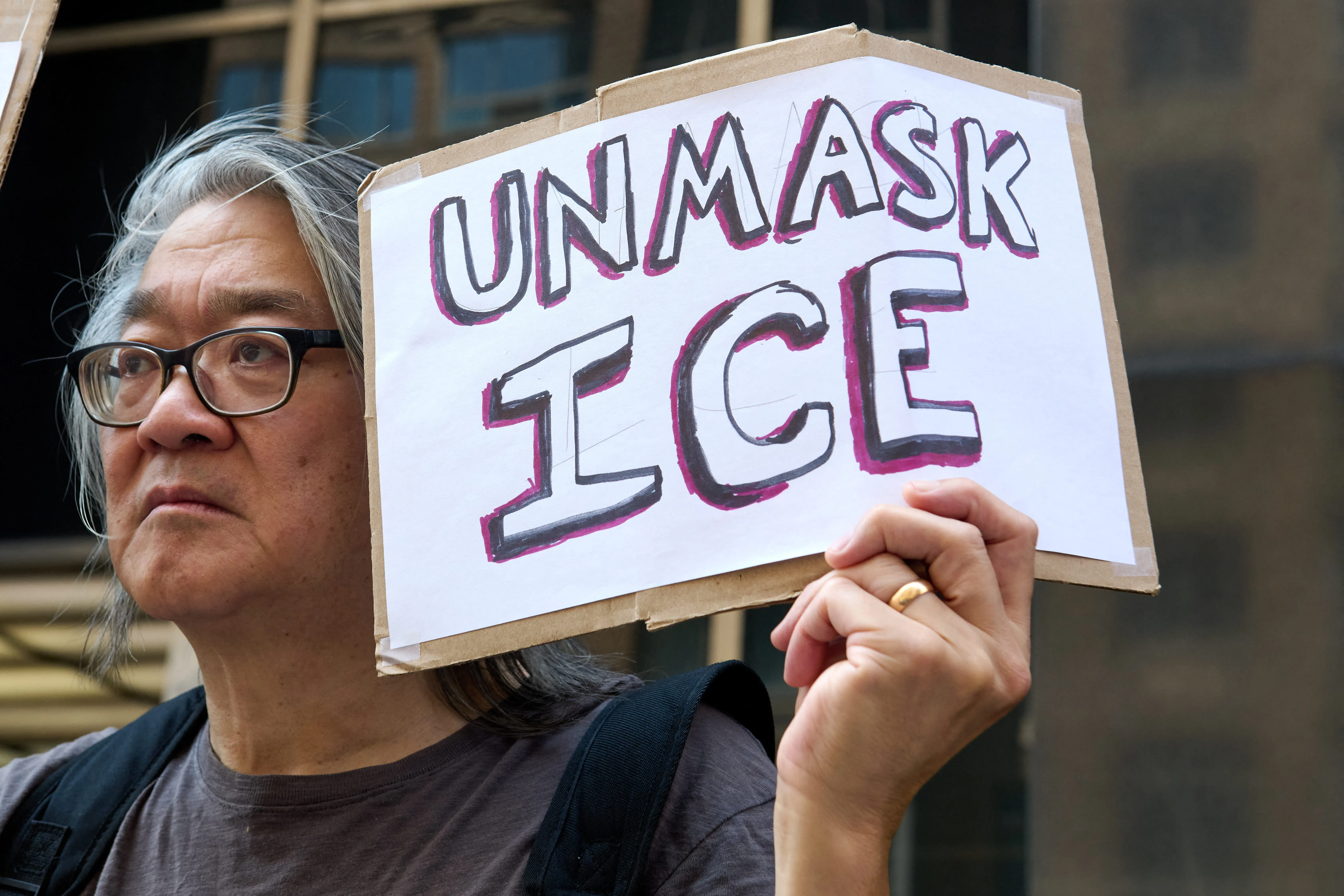
Randi Weingarten, president of the American Federation of Teachers, stated that schools should be safe havens for teaching and learning, and no child should go to school in fear of being disappeared by masked ICE agents. Weingarten called these attempts to ignore established law an unconstitutional and immoral attack on the American Dream and emphasized the need to help immigrant children and families, assuring them that they are welcome, important, and protected by their teachers.

The proposal to overturn Plyler v. Doe represents a turning point in U.S. education and immigration policy, with significant implications for the educational community and the rights of immigrants.
Editorial Note

This content has been synthesized and optimized to ensure clarity and neutrality. Based on: The Hill