PrometuNews
© 2026 Prometu NewsPowered by Prometu, Inc.
Politics3 min...

States Take Action Against ICE Masking: A Federal Challenge

Listen
Share

Washington State leads the fight against ICE agents wearing masks, facing legal and political challenges.

OMNI
OMNI
#ICE#Washington#laws#politics#security
States Take Action Against ICE Masking: A Federal Challenge

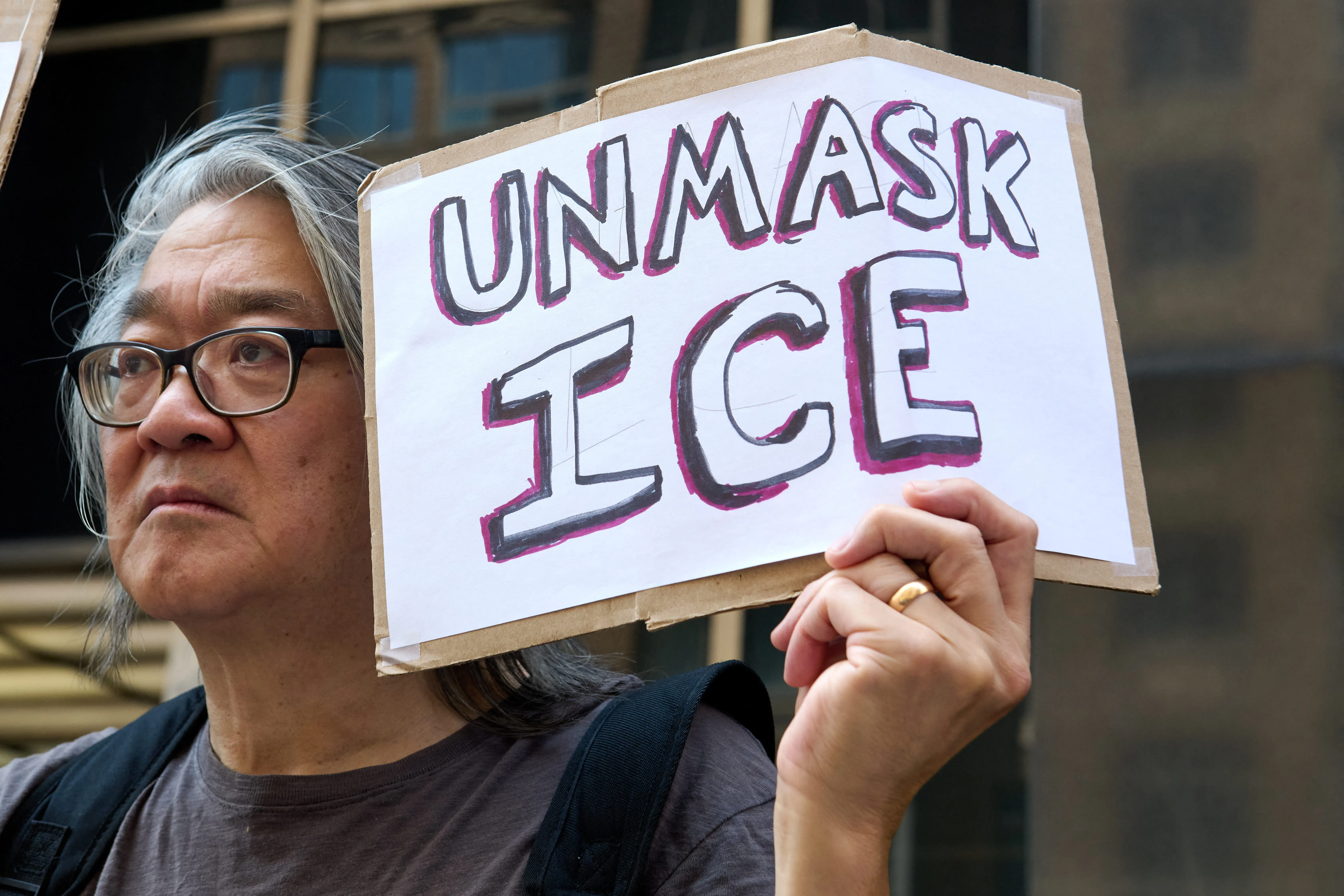
Washington Governor Bob Ferguson signed a bill into law preventing ICE officers and other law enforcement officials from wearing masks to conceal their identities. The law allows anyone detained by a masked officer to sue the officer for monetary damages. The state law aims to ensure the public knows who law enforcement officials are, promoting transparency and accountability.

This action builds upon previous initiatives, such as California's law banning masks for local and federal officers, with exceptions for medical and tactical gear. Democratic legislatures in several states have introduced similar bills. State legislation is considered crucial to contain ICE's tactics.

The Department of Homeland Security (DHS) has called Washington's law 'irresponsible, reckless and dangerous,' stating they will not abide by it. However, Washington's law is not unconstitutional, as it upholds transparency in the exercise of governmental power. Legal experts argue that states can establish general laws that federal employees must comply with, provided they do not significantly interfere with their duties.

The DHS's stance underscores the tension between the federal government and the states on law enforcement and border security matters. Washington's law seeks to balance security with transparency, a fundamental constitutional value.

Masking has historically been associated with 'frontier justice' and groups like the Ku Klux Klan. Although the Trump administration argued that masks were needed for ICE agents' safety, it did not mandate them. State legislation, like Washington's, is based on solid legal arguments.

Erin Chemerinsky, Dean of the University of California Law School, argued that masks are not essential for ICE to perform its functions and that officer safety is a pretext for intimidation. U.S. District Judge Christina A. Snyder, in February, issued a preliminary injunction blocking California's anti-masking law, but rejected the Trump administration's claim that these state laws were an unconstitutional usurpation of federal authority.

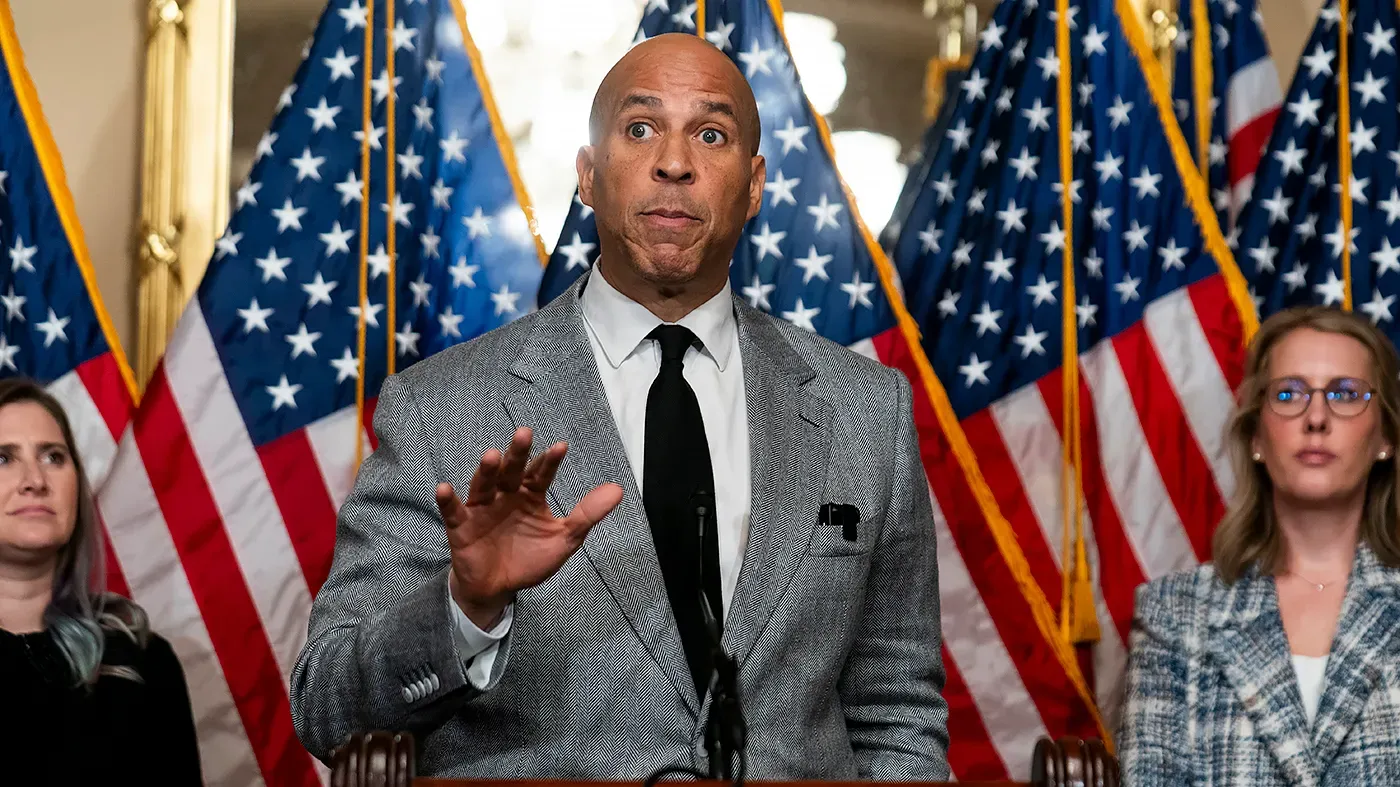
Governor Ferguson predicts that legal challenges to Washington's law are inevitable and that the state should welcome them. The law prohibits the use of masks by all law enforcement officers except in specific situations.

Ferguson emphasized the importance of transparency and accountability in law enforcement. Judge Snyder's decision supports the path followed by Washington, and the state is prepared to defend its legislation in court.

Washington's law represents an example of how states can exercise their power to protect rights and implement important legislative changes. In 2017, Heather Gerkin, former Dean of Yale Law School, urged progressives to use the power of the states for these purposes.

The response of blue states to ICE's masking tactics is a good example of what Gerkin recommended. Austin Sarat, a professor of Jurisprudence and Political Science at Amherst College, supports Washington's stance, indicating the importance of states confronting the Trump administration on this issue.
Editorial Note

This content has been synthesized and optimized to ensure clarity and neutrality. Based on: The Hill