Prometu News LogoNews
© 2026 Prometu NewsPowered by Prometu, Inc.
Politics4 min...

Judge Peinado Pushes for Jury Trial in Begoña Gómez Case

Listen
Share

Judge Juan Carlos Peinado seeks to bring the Begoña Gómez case before a jury, summoning the parties to formalize the process.

OMNI
OMNI
#Begoña Gómez#Juan Carlos Peinado#Jury Trial#Influence Peddling#Misappropriation
Judge Peinado Pushes for Jury Trial in Begoña Gómez Case

Judge Juan Carlos Peinado has summoned the parties in the Begoña Gómez case to the Court of Instruction number 41 in Madrid. The main objective is to communicate the intention to bring the case to a jury trial, should it reach trial. The summons, scheduled for 12:00 hours, aims to establish the procedural direction of the proceedings investigating the professional activities of the President of the Government's wife, her advisor Cristina Álvarez, and businessman Juan Carlos Barrabés.

The magistrate is investigating Gómez for alleged crimes of influence peddling, business corruption, misappropriation of brand, intrusion, and embezzlement of public funds. Peinado's decision comes after the Provincial Court of Madrid rejected a previous attempt to bring the case to the Jury Court, arguing a lack of 'rational indications of criminality'.

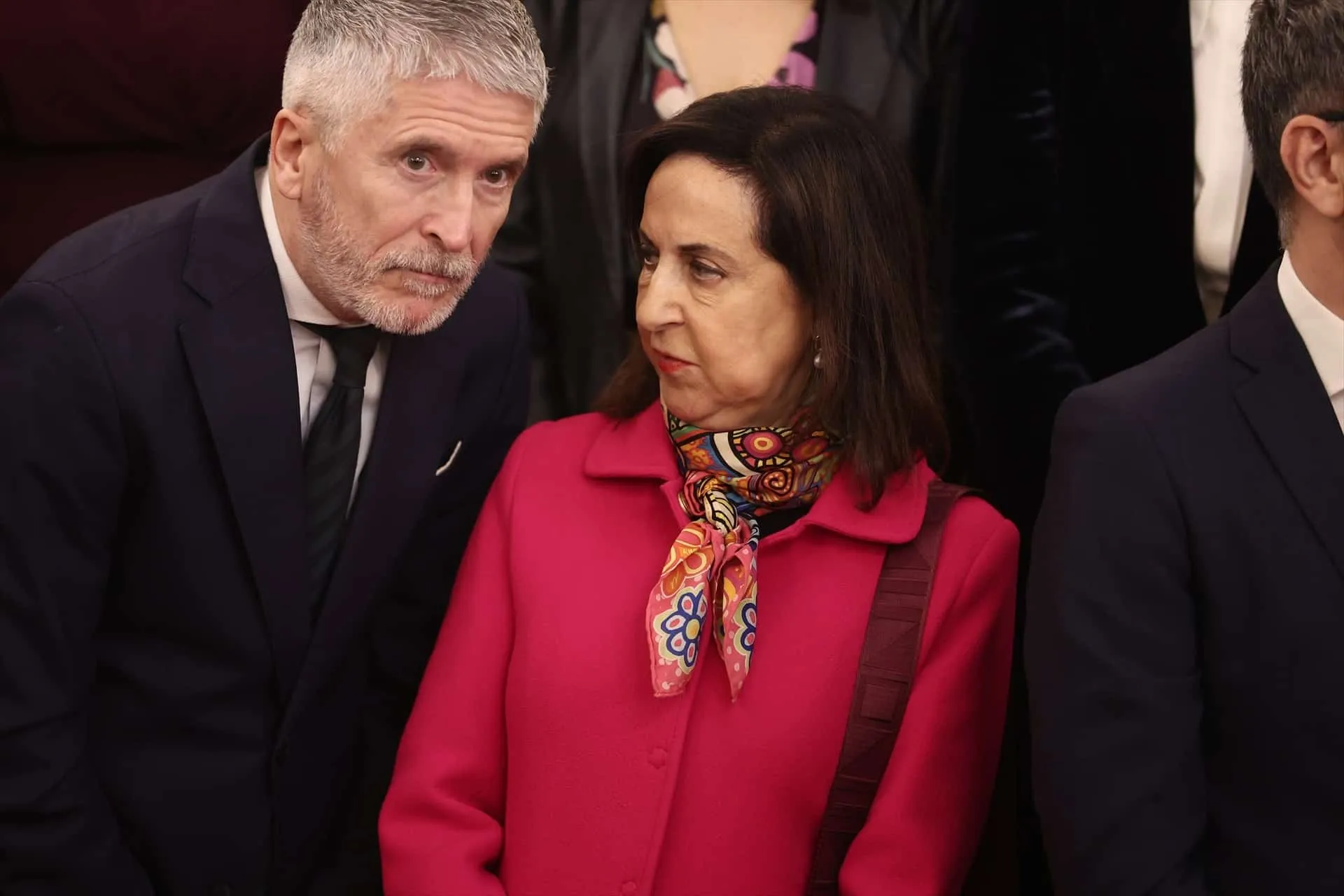
Judge Peinado Pushes for Jury Trial in Begoña Gómez Case - Image 1

In an order issued on March 20, Judge Peinado attempts to correct previous criticisms. He maintains that during the investigation, indications of the crimes that would be the jurisdiction of the jury were found, specifically influence peddling and embezzlement. Therefore, he considers it appropriate to direct the case towards this type of court.

Initially, the case was divided into two parts: one concerning Begoña Gómez's activities at the Complutense University of Madrid and the other concerning possible embezzlement related to the hiring of Álvarez. The judge decided to unify both lines of investigation to determine whether these activities could constitute the investigated crimes.

The defense teams of Begoña Gómez, Juan Carlos Barrabés, and Cristina Álvarez have appealed Peinado's decision. Gómez's lawyer, former Interior Minister Antonio Camacho, requested that the order be set aside, calling it a 'mere reiteration of conjectures'. He argues that the data used by the magistrate is 'fallacious' and that the lack of ponderative reasoning prevents assessing the media impact of the case.

Álvarez's defense questions the evidence used and points out that dedicating 'half a minute a day' to Gómez's private tasks does not constitute embezzlement. Barrabés's defense also opposes, arguing that there is 'not a single piece of evidence' of the alleged crimes.

Peinado places at the center of the case the creation of the Chair of Competitive Social Transformation at the Complutense. According to the judge, Gómez allegedly used her position to 'promote her professional projection' and obtain support for the chair, of which she allegedly misappropriated.

The judge alleges that Gómez hired her friend Cristina Álvarez for private activities, and that the funding came from private companies. Álvarez was perceived as part of the chair's working team. In addition, it is being investigated whether Gómez sent letters suggesting the awarding of public tenders to benefit Barrabés.

Gómez's lawyer argues that the process is motivated by being the spouse of the President of the Government. He believes that sending the case to a jury trial could generate a 'subsequent injury to the right to an impartial judge' due to the 'parallel trial' in the media and social networks.

Barrabés's defense denies any connection with the alleged business benefits linked to the chair and the software developed. They argue that their participation was limited to a master's degree directed by Gómez.
Editorial Note

This content has been synthesized and optimized to ensure clarity and neutrality. Based on: El Independiente