PrometuNews
© 2026 Prometu NewsPowered by Prometu, Inc.
Politics5 min...

ICE Raids in Rural Minnesota: The Impact on Communities

Listen
Share

In rural Minnesota, ICE raids generate fear and division, affecting daily life and the local economy, despite announcements of reduced agents.

OMNI
OMNI
#ICE#Immigration#Minnesota#Rural communities#Raids
ICE Raids in Rural Minnesota: The Impact on Communities

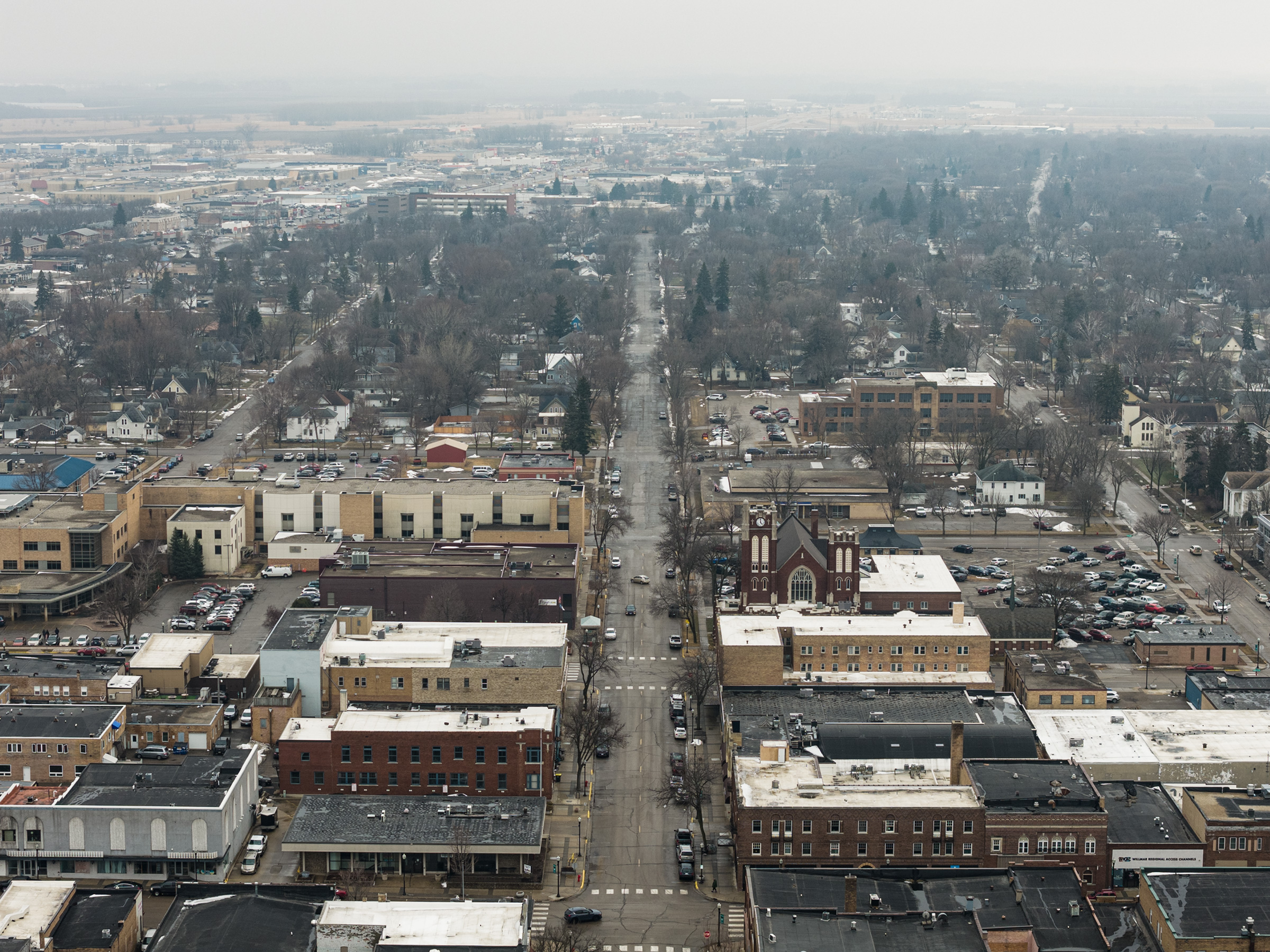
In Albert Lea, Minnesota, residents organize to monitor and respond to ICE raids, creating multiracial support networks. Theron Gjersvik, a local farmer, and other observers are dedicated to documenting and assisting the victims of the raids. This effort is replicated in other cities like Northfield and Willmar, where the community unites to protect immigrants. Gjersvik, despite being a farmer, joins the community to defend immigrants. The Northfield community reacted to ICE's violence by detaining a local man in front of his son.

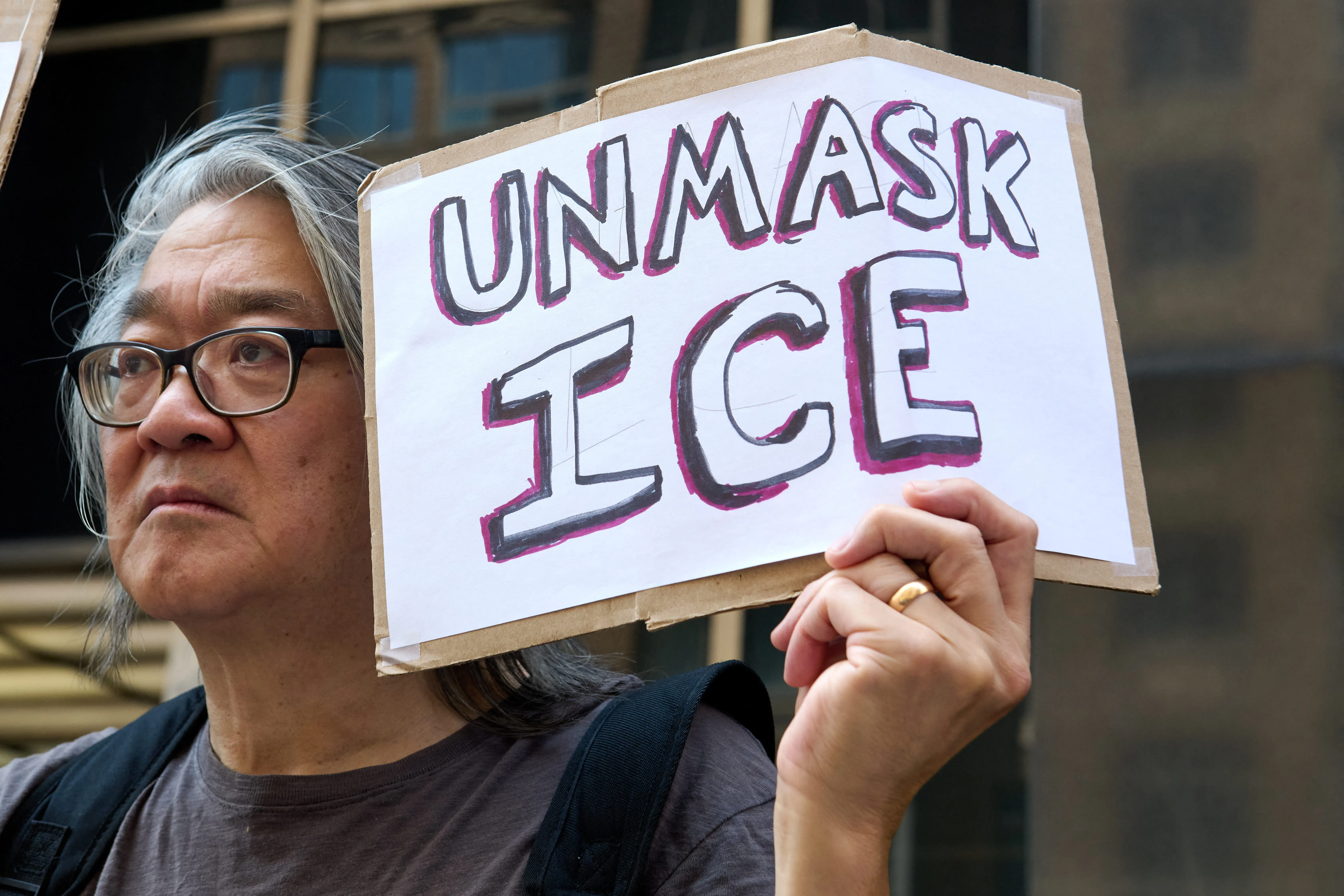
Border Patrol officer Gregory Bovino was sent home, and on February 4, Tom Homan, Donald Trump's border czar, announced a reduction of 700 ICE agents in Minnesota. Despite this, reports suggest continued law enforcement activity in areas outside the Twin Cities, which led the journalist to investigate the situation.

Residents of Northfield, Willmar, and other rural cities in Minnesota, claim that the presence of ICE persists despite announcements of reduction. Lauren Baske Davis, pastor of the First United Church of Christ in Northfield, expressed her skepticism about the reduction. In Northfield, ICE vehicles have been observed near medical facilities. In Willmar, the situation is more critical, with a strong conservative presence and collaboration with ICE through a 287(g) agreement.

The city of Willmar has a strong presence of the Somali community, who work at the Jennie-O turkey processing plant. Mayor Thomas L. Friedman wrote an article in The New York Times, praising the city as a 'modern, successful American melting pot'. The Somali community has strong roots in Willmar, and many of them work at the Jennie-O turkey processing plant.

ICE raids, like the one that occurred at Azteca, a Mexican restaurant in Willmar, have generated panic and fear. Willie Gonzalez, owner of a local business, had to close his bar due to the fear of customers. In Northfield, businesses face I-9 audits, and some restaurants have temporarily closed or implemented security measures. In Willmar, the consequences extend to education, where students are absent from school due to fear of raids.

The detention of a 19-year-old Somali student in front of the Azteca restaurant on January 12 caused 90% of Somali students to stay home. ICE agents arrested the owners of El Tapatio, a Mexican restaurant, and a dishwasher. Kretschmann said, 'Why put people through this?'. Sheikh Mohamed Bulhan, the mosque's liaison officer, highlighted the 'profound distress' in the community during Ramadan. On February 6, Gonzalez was arrested by ICE agents and suffered assault. Gonzalez says: 'Now I know where I stand. I have a big flag in my place. I look at my flag and say, 'Wow. You failed me''.

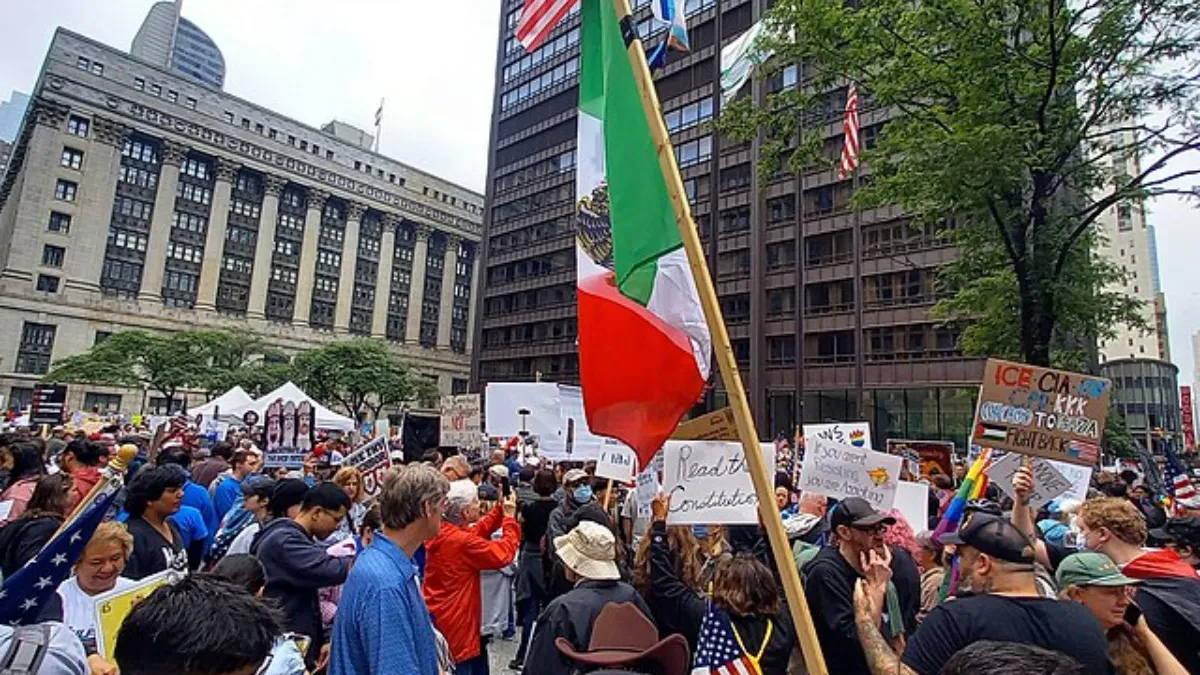
In Northfield, legal and financial support networks have been established for those detained by ICE, with lawyers filing habeas corpus petitions. In Willmar, the religious community and business owners come together to offer support and protection. Gonzalez, a member of a motorcycle club, received support from other members of the club to protect his business. Kretschmann and Gonzalez reflected on how conservative neighbors have been processing ICE's presence.

The Muslim community in Willmar organized a community iftar during Ramadan to promote unity, despite the difficult situation. In contrast, in Willmar, the lack of institutional support and the collaboration of local authorities hinder the community's response. The Willmar community feels unsafe and betrayed by local authorities.

In Austin schools, students are affected by the fear of raids, which impacts their concentration and academic performance. Teachers strive to support their students, but the situation is overwhelming. Hernandez and Salazar are concerned about the children in the primary schools. The lack of mental health resources exacerbates the situation, with families who are not culturally accustomed to processing their emotions.

Salazar, at an Albert Lea City Council meeting, expressed her sorrow at the impact of ICE on her family. Gjersvik warns that some businesses and residents are more concerned about the economic consequences than the well-being of their immigrant neighbors. The Albert Lea community fears self-deportation due to insecurity and fear. The consequences of ICE's presence in rural communities are profound and lasting.
Editorial Note

This content has been synthesized and optimized to ensure clarity and neutrality. Based on: The American Prospect