PrometuNews
© 2026 Prometu NewsPowered by Prometu, Inc.
Politics4 min...

Spain Closes Airspace to Aircraft Involved in Iran War

Listen
Share

Spain blocks the use of its airspace to U.S. aircraft involved in the operation against Iran, complicating military strategies.

OMNI
OMNI
#Spain#Iran#War#Airspace#Politics
Spain Closes Airspace to Aircraft Involved in Iran War

Spain has closed its airspace to flights involved in Operation Epic Fury, preventing the passage of U.S. aircraft stationed in third countries such as the UK or France. This decision complicates the United States' efforts to influence Iran. The Spanish government, led by Prime Minister Pedro Sánchez, confirmed the measure, rejecting all flight plans related to the operation in Iran, including those for refueling aircraft.

The ban has forced aircraft to modify their routes, in some cases, forcing them to go around the Iberian Peninsula to access the Strait of Gibraltar. These modifications involve refueling at Lajes Air Base in the Azores, Portugal.
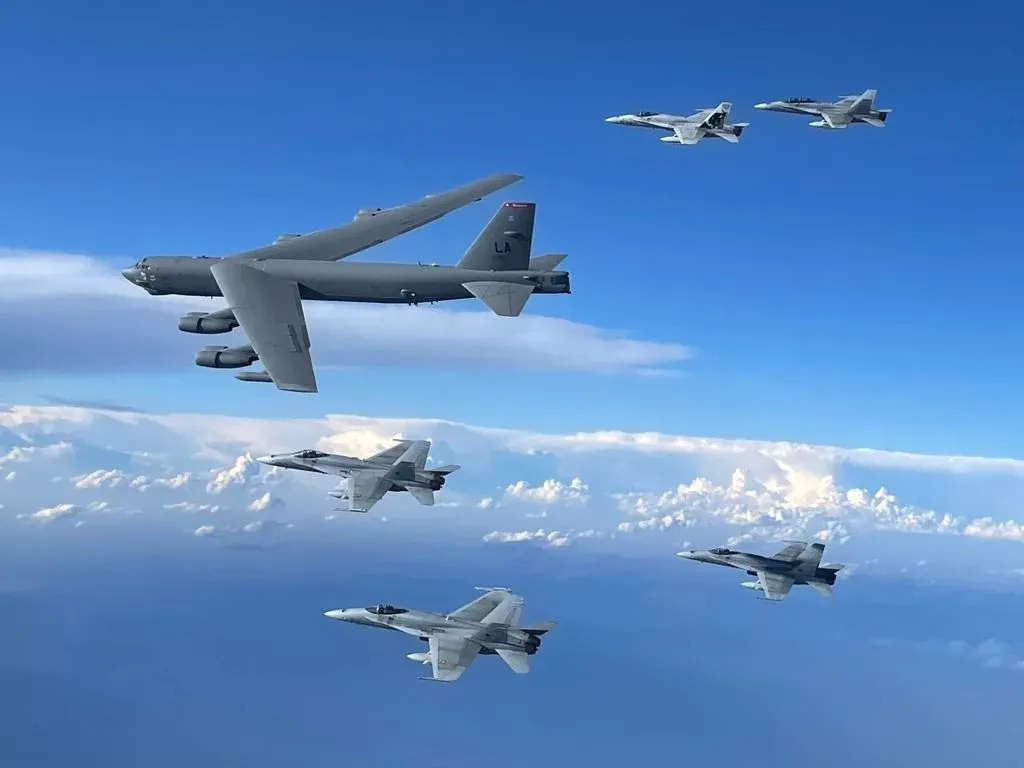
Spain Closes Airspace to Aircraft Involved in Iran War - Image 1
The decision reflects a position of neutrality and caution in the face of the ongoing conflict, limiting logistical support for U.S. military operations in the region.


The restriction imposed by Spain significantly affects U.S. bombers operating from RAF Fairford in the UK, who have been forced to alter their routes. In situations where France has not authorized the overflight, the aircraft have had to go around the Iberian Peninsula. This has increased the need for in-flight refueling, using tanker aircraft stationed at Lajes Air Base in the Azores (Portugal).

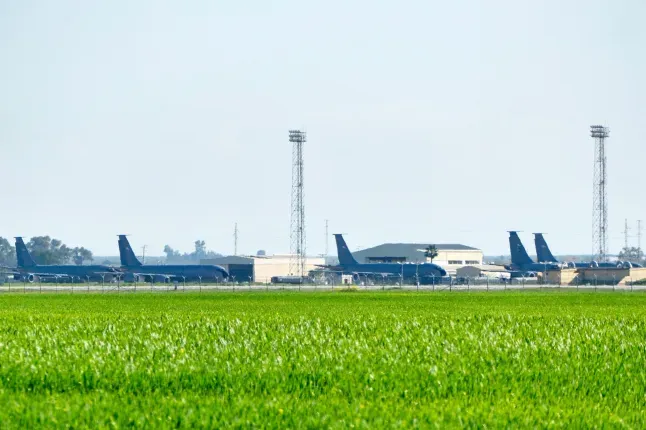
The Spanish government's decision, according to Prime Minister Pedro Sánchez's statements, underlines the refusal to allow the use of air bases such as Rota and Morón for actions related to the war in Iran, which demonstrates a clear position of non-intervention.
Spain Closes Airspace to Aircraft Involved in Iran War - Image 2

Despite the airspace closure, the ban does not extend to U.S. Navy ships stationed at the Rota naval base in Cádiz. These ships, including the USS Oscar Austin, the USS Roosevelt, and the USS Burkeley, have been deployed to the Eastern Mediterranean to protect Israel from potential retaliatory attacks by Iran. This distinction in the application of the restrictions suggests a strategic approach that seeks to balance neutrality with security commitments in the region.

Spain's measure reflects a complex diplomatic stance in the context of the ongoing conflict.

Prime Minister Pedro Sánchez was the first to announce the decision last week, stating that the United States had been denied the use of the Rota and Morón air bases for this illegal war. Sánchez emphasized that all flight plans contemplating actions related to the operation in Iran were rejected, including those for refueling aircraft. This stance highlights Spain's determination to maintain a neutral position and avoid direct participation in the conflict.

Spanish authorities could make exceptions in emergency situations, demonstrating flexibility in the face of unforeseen events.

The measure adopted by Spain has had a direct impact on the United States' ability to carry out military operations in the region. The need to modify flight routes and adjust refueling strategies has created logistical and operational complications. Spain's decision, by denying the use of its airspace and air bases for actions related to the war in Iran, has forced the United States to re-evaluate and adapt its plans.
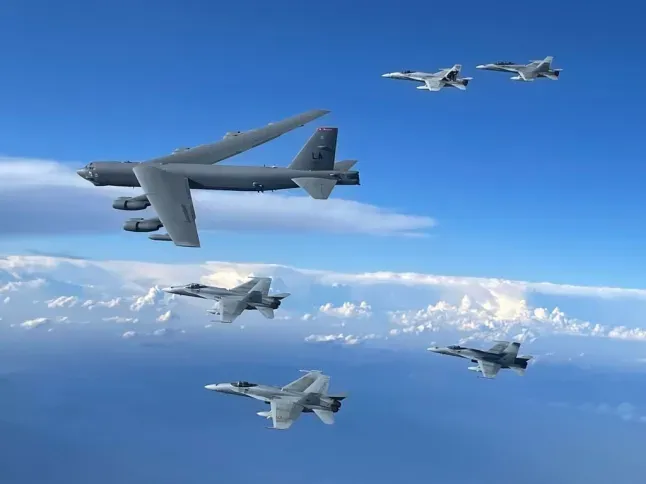
This situation underscores the importance of national sovereignty and the ability of countries to make decisions that reflect their interests and political positions in complex international scenarios.
Editorial Note

This content has been synthesized and optimized to ensure clarity and neutrality. Based on: Metro