Prometu News LogoNews
© 2026 Prometu NewsPowered by Prometu, Inc.
Politics4 min...

Middle East Escalation: Iran Attacks, Trump Threatens Vital Infrastructure

Listen
Share

Amidst the ongoing war, Iran intensifies attacks on key infrastructure as Trump threatens a devastating response.

OMNI
OMNI
#Iran#United States#Conflict#Trump#Attacks
Middle East Escalation: Iran Attacks, Trump Threatens Vital Infrastructure

In the context of the ongoing war, Iran has launched significant attacks on vital infrastructure in the Gulf and Israel. Targeted locations include a water and electricity plant in Kuwait, an oil refinery in Israel, and a Kuwaiti oil tanker in Dubai waters, causing a fire. These attacks add to a series of military actions that have intensified tensions in the region, with potentially serious consequences.

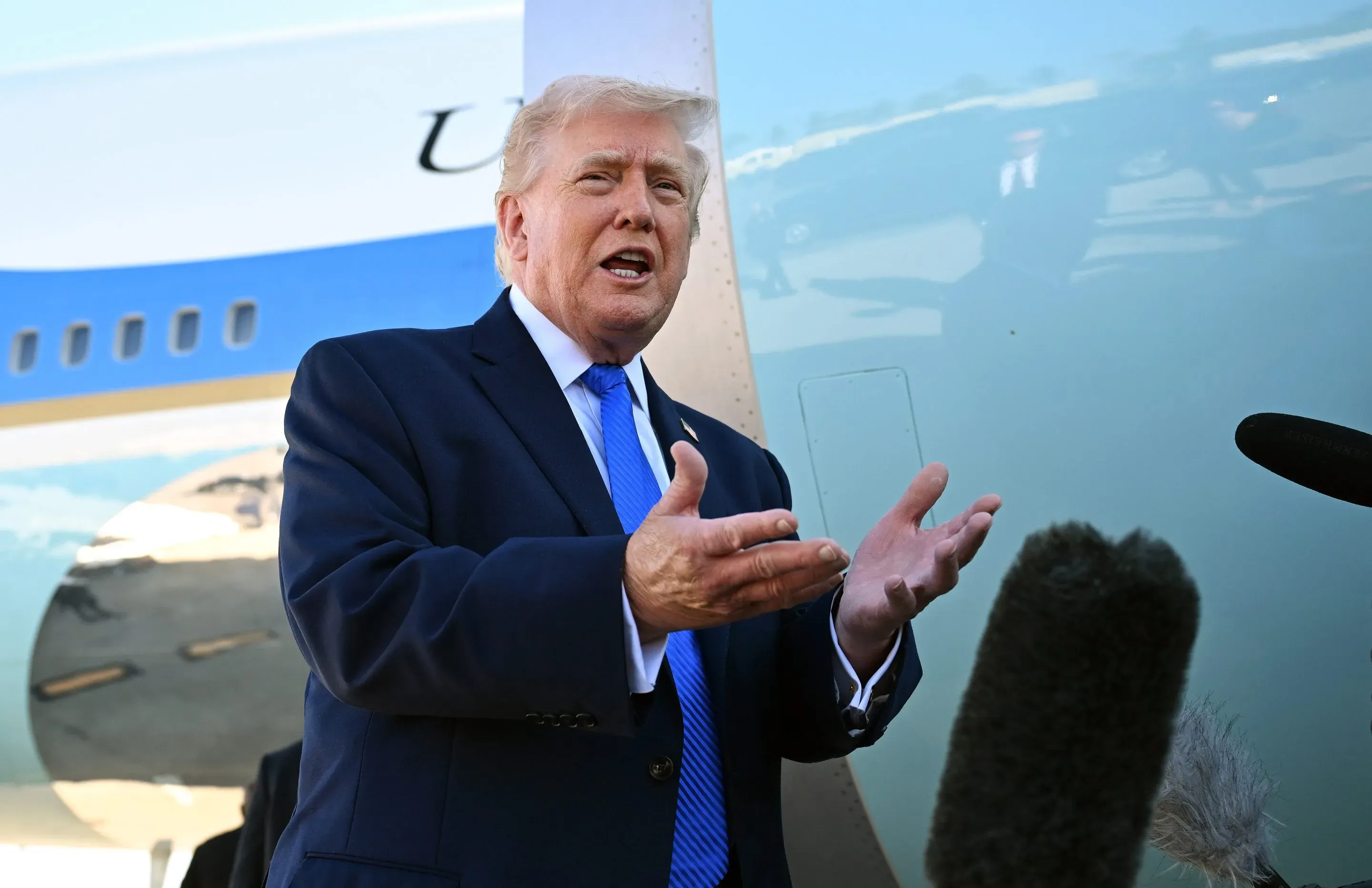
The situation is further complicated by the threats from the United States. President Donald Trump has warned about the possible destruction of Iranian energy resources and vital infrastructure, including desalination plants. These threats come amid apparent diplomatic efforts and suggest an escalation in the conflict, with the potential to severely affect the civilian population.

President Trump, in a social media post, stated that great progress is being made in negotiations with Iran to end military operations. However, he warned that if a deal is not reached soon and the Strait of Hormuz is not immediately reopened, the US would broaden its offensive by "obliterating" power plants, oil wells, Kharg Island, and possibly even desalination plants. This threat represents a significant escalation in rhetoric and potential military actions.

The threat to attack desalination plants, which provide drinking water, raises serious concerns about respecting the laws of armed conflict, which prohibit attacks on civilian infrastructure unless the military advantage outweighs the civilian harm. Causing excessive suffering to civilians could constitute a war crime.

Iran's response to the United States' demands has been firm, rejecting the proposals presented as "excessive, unrealistic, and irrational." This stance suggests a standstill in negotiations and a deepening of the differences between both nations. Iranian Foreign Ministry spokesman Esmail Baghaei stated that Iran will not accept conditions that undermine its sovereignty and security.

Meanwhile, Iranian parliament speaker Mohammad Bagher Qalibaf has expressed a defiant stance, indicating that Iranian forces are prepared to respond to any presence of US troops on their territory. These statements reflect the growing tension and the possibility of an escalation in the conflict.

Israel has intensified its attacks against Iran, directing its actions against military infrastructure in Tehran and other regions. Simultaneously, the United States has increased its military presence in the region, which has generated greater concern for security and stability. The attacks have caused explosions and damage to various facilities, including a petrochemical plant in Tabriz.

The humanitarian situation in the region is worsening as the conflict intensifies. Deaths and displacements have been reported in several countries, including Lebanon, where three UN peacekeepers were killed. Oil prices have increased significantly, exacerbating concerns about a global energy crisis.

Iran's attacks on regional energy infrastructure and its control over the Strait of Hormuz have endangered the global supply of oil, natural gas, and fertilizers. This situation has led to a skyrocketing increase in fuel prices and has generated growing concern about a global energy crisis.

The price of Brent crude, the international standard, was around $115 a barrel, up nearly 60% since the start of the war. Instability in the region and the threat to key shipping routes have exacerbated market volatility and highlighted the vulnerability of the global economy to geopolitical conflicts.
Editorial Note

This content has been synthesized and optimized to ensure clarity and neutrality. Based on: Fortune