PrometuNews
© 2026 Prometu NewsPowered by Prometu, Inc.
Politics3 min...

Dodging the Truth: Taxes and Electoral Promises in 2026

Listen
Share

Both Democrats and Republicans are avoiding honesty about tax reform, complicating the U.S. economic situation.

OMNI
OMNI
#taxes#politics#economy#elections#Trump#Democrats
Dodging the Truth: Taxes and Electoral Promises in 2026

Former President Trump had the chance to address tax reform in the State of the Union address but did not take it. On the other hand, Democrats have shown interest in tax cuts, proposing significant reductions in income taxes. This juxtaposition is troubling, especially considering the deteriorating federal fiscal state, where tax complexity alone costs the U.S. economy over $500 billion each year.

As the policy debate for the next presidential election takes shape, it is crucial that both sides are honest about their plans to address the country's challenges. The lack of transparency and unfulfilled promises only worsen the economic situation.

Both Trump and Congress have made important changes to tax laws, such as the reconciliation law that prevented a tax increase for 62% of taxpayers in 2025. However, Trump has promoted new exemptions, such as deductions for tips, overtime, and auto loans, which narrow the tax base and worsen the deficit. Each new deduction comes with definitions, income limits, and reporting rules, complicating the filing process.

These measures, although temporarily beneficial, tend to remain and set the tone for the Democratic tax agenda, which could worsen the country's fiscal situation in the long run.


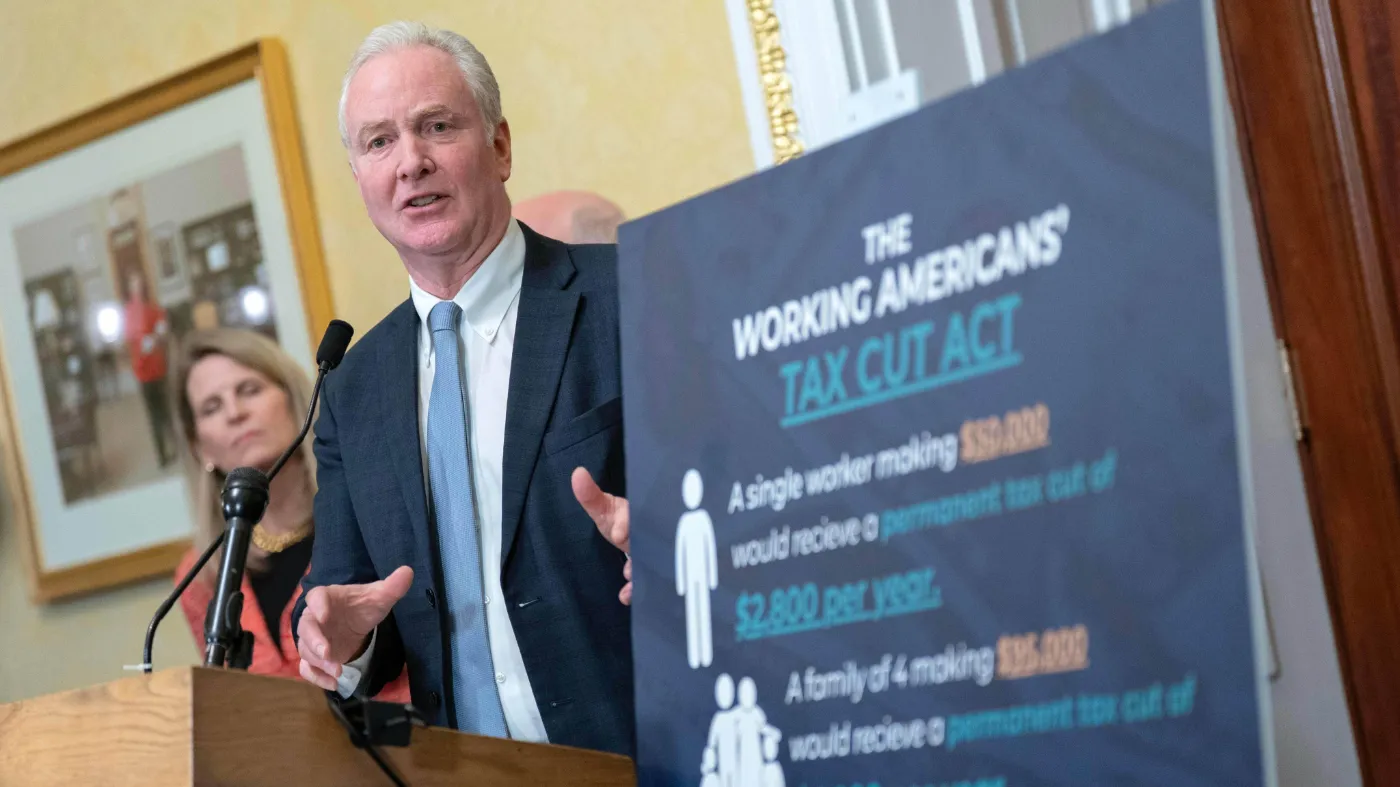
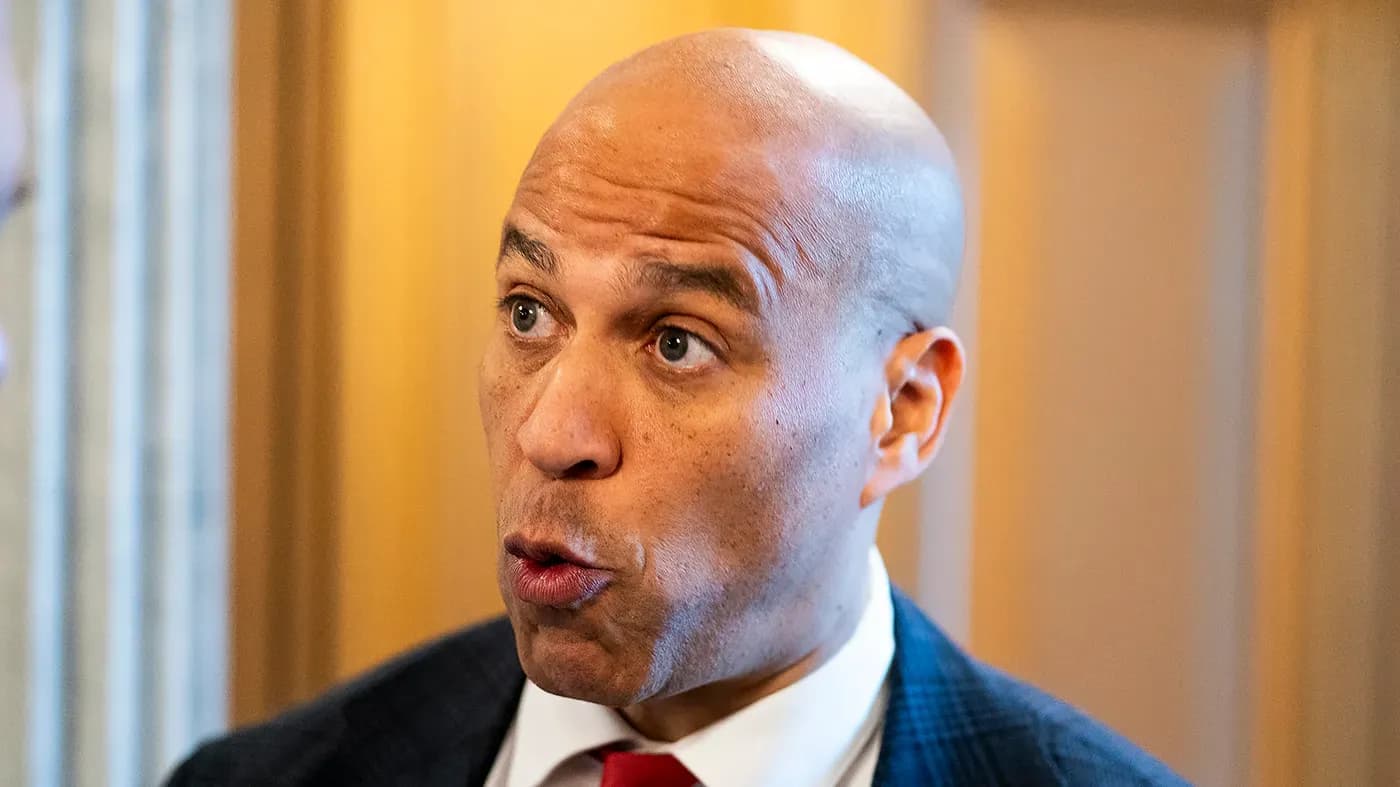
Senator Chris Van Hollen proposed eliminating income taxes for those earning less than $46,000 annually ($92,000 for joint filers), while Senator Cory Booker seeks to double the standard deduction and expand the child tax credit. Although these proposals sound politically enticing, they worsen the U.S. fiscal situation. Social Security faces a mandatory benefit reduction within the next decade. Debt continues to rise faster than economic growth, and interest payments consume a growing portion of the federal budget.

It is essential that political leaders address these issues with honesty and responsibility to avoid negative economic consequences.

Former President Trump often points to tariffs as the solution to revenue problems, even though the Supreme Court struck down a large share of the administration's tariffs. However, American businesses and consumers bear most of the tariff burden through higher prices, lower wages, and smaller profits. These tariffs threaten to offset much of the growth and income gains from the 2025 tax cuts while raising less tariff revenue than needed to finance them.

It is crucial to carefully assess trade and fiscal policies to ensure sustainable and equitable economic growth.

The plans from Senators Van Hollen and Booker, although partially funded, could damage the economy in the long term, according to Tax Foundation modeling, reducing economic growth and wages. Tax reform should simplify the system, promote growth without hiding the fiscal costs, and educate Americans about the trade-offs involved. A simpler tax code and an honest accounting of the nation's finances would do more for working families than another round of tariff disputes and tax complexity.

The next discussion on tax policy should begin with these fundamental principles to build a stronger and fairer economic future.
Editorial Note

This content has been synthesized and optimized to ensure clarity and neutrality. Based on: The Hill